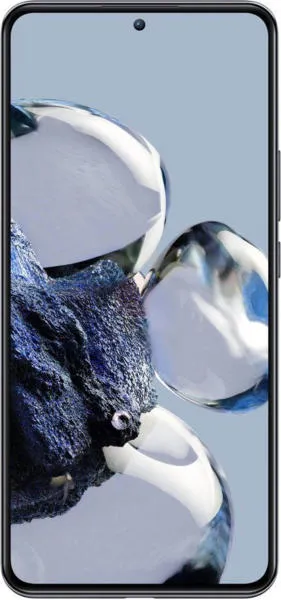
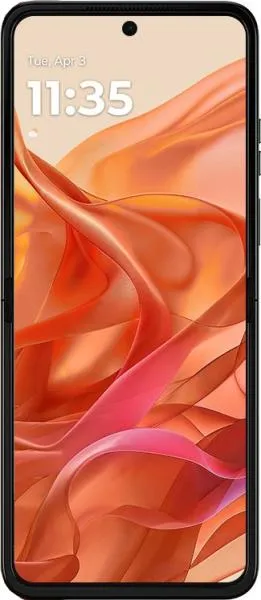
Xiaomi 12T Pro vs. Motorola Razr 50: A Deep Dive
Let's dissect the Xiaomi 12T Pro and the Motorola Razr 50, two compelling devices with distinct strengths. We'll go beyond the spec sheet to uncover what truly matters: how these phones perform in the real world.
1. Specifications Breakdown
| Feature | Xiaomi 12T Pro | Motorola Razr 50 | Real-World Implications |
|---|---|---|---|
| Design | |||
| Dimensions (mm) | 163.1 x 75.9 x 8.6 | 171.3 x 74 x 7.3 | Razr 50 is taller and narrower when unfolded, significantly more compact when folded. 12T Pro feels more substantial. |
| Weight (g) | 205 | 188.4 | Razr 50 is noticeably lighter, enhancing portability. |
| Foldable | No | Yes | Razr 50 offers unique portability and a smaller external display for quick interactions. |
| Display | |||
| Size (inches) | 6.67 | 6.9 | Razr 50 boasts a slightly larger main screen. |
| Type | AMOLED | Foldable pOLED | Razr 50's folding screen technology enables its compact form factor but introduces a potential crease. |
| Resolution | 1220 x 2712 | 1080 x 2640 | 12T Pro offers sharper visuals due to higher pixel density. |
| Refresh Rate (Hz) | 120 | 120 | Both deliver smooth scrolling and animations. |
| Peak Brightness | 900 nits | 3000 nits | Razr 50's exceptional brightness ensures superb outdoor visibility. |
| Performance | |||
| Chipset | Snapdragon 8+ Gen 1 | Dimensity 7300X | 12T Pro's flagship Snapdragon chip delivers significantly higher performance in demanding tasks and gaming. |
| CPU | Octa-core (1x3.19 GHz Cortex-X2 & 3x2.75 GHz Cortex-A710 & 4x2.0 GHz Cortex-A510) | Octa-core (4x2.5 GHz Cortex-A78 & 4x2.0 GHz Cortex-A55) | 12T Pro's CPU architecture offers superior performance, especially in single-core tasks |
| GPU | Adreno 730 | Mali-G615 MC2 | 12T Pro's GPU provides a substantial advantage in graphics-intensive applications. |
| RAM (GB) | 8/12 | 8/12 | Both offer ample RAM for multitasking, though 12T Pro's faster processor will handle it more efficiently. |
| Camera | |||
| Main Camera (MP) | 200 | 50 | 12T Pro's massive sensor boasts higher resolution, potentially capturing more detail. Real-world performance depends on processing. |
| Selfie Camera (MP) | 20 | 32 | Razr 50 offers a higher-resolution selfie camera. |
| Video | 8K@24fps | 4K@30fps | 12T Pro supports higher resolution video recording. |
| Battery | |||
| Capacity (mAh) | 5000 | 4200 | 12T Pro likely offers longer battery life due to its larger capacity and potentially more efficient chip. |
2. Key Insights
- Performance Powerhouse: The Xiaomi 12T Pro is a clear winner in performance, thanks to its Snapdragon 8+ Gen 1. This translates to faster app loading, smoother gaming, and effortless multitasking.
- Compact and Chic: The Razr 50 prioritizes portability and style with its foldable design. The compact form factor is a game-changer for pocket convenience.
- Display Dilemma: The Razr 50's incredibly bright display excels outdoors, while the 12T Pro offers a sharper image. The crease on the Razr 50's folding display might bother some.
- Camera Considerations: While the 12T Pro boasts a 200MP sensor, megapixels aren't everything. Image processing plays a crucial role, and real-world camera performance needs further investigation.
3. User Profiles and Recommendations
- Xiaomi 12T Pro: Ideal for power users, gamers, and anyone who prioritizes raw performance and a long-lasting battery.
- Motorola Razr 50: Perfect for style-conscious users who value portability and a unique form factor above all else. The external display adds convenience for quick checks.
4. Buying Decision Framework
- What matters most: performance or portability? If performance is king, the 12T Pro reigns supreme. If pocketability and style are paramount, the Razr 50 is the clear choice.
- What's your budget? Pricing will likely be a significant factor in your decision.
- Are you comfortable with a foldable screen and its potential drawbacks? Consider the crease and durability aspects of the Razr 50.
My Choice: Xiaomi 12T Pro
While the Razr 50's design is undeniably cool, I prioritize performance and a seamless user experience. The 12T Pro's Snapdragon 8+ Gen 1, combined with its sharp display and large battery, makes it a more versatile device for my needs. I appreciate having the extra power for demanding tasks and gaming, and the robust battery life ensures I can stay productive throughout the day. While the Razr 50's portability is tempting, the performance trade-off is too significant for my personal preferences. I'm also not entirely sold on the long-term durability of foldable screen technology. For me, the 12T Pro strikes the optimal balance between power, features, and practicality.
