Xiaomi 12T Pro vs. Motorola Razr 40 Ultra: A Deep Dive for the Discerning Smartphone User
Hello fellow tech enthusiasts! Alex Griffin here, ready to dissect the Xiaomi 12T Pro and the Motorola Razr 40 Ultra. We'll go beyond the spec sheets to uncover what these devices really offer in terms of daily use. Let's get started!
1. Specifications Breakdown
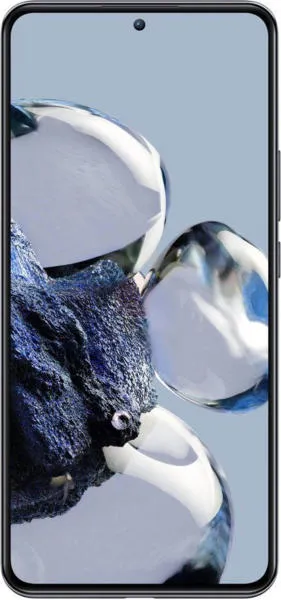
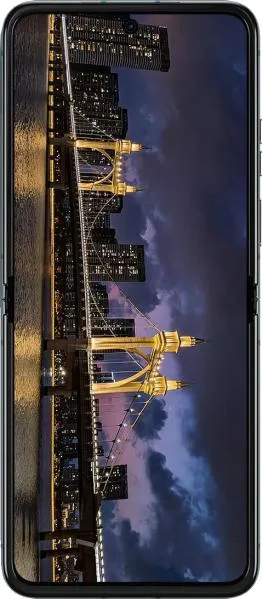
| Feature | Xiaomi 12T Pro | Motorola Razr 40 Ultra | Real-World Implications |
|---|---|---|---|
| Design | |||
| Dimensions (mm) | 163.1 x 75.9 x 8.6 | 170.8 x 74 x 7 (Folded) | Razr 40 Ultra significantly more compact when folded, pocketable; 12T Pro more traditional form factor. |
| Weight (g) | 205 | 184.5 | Razr 40 Ultra lighter despite larger unfolded display. |
| Foldable | No | Yes | Razr's folding design offers unique portability and a "wow" factor. |
| Display | |||
| Type | AMOLED | Foldable LTPO AMOLED | Razr uses newer, potentially more power-efficient display tech, both offer vibrant colors. |
| Size (inches) | 6.67 | 6.9 | Razr offers a slightly larger main screen. |
| Resolution (px) | 1220 x 2712 | 1080 x 2640 | 12T Pro higher pixel density (sharper image), Razr wider aspect ratio (more cinematic). |
| Refresh Rate (Hz) | 120 | 165 | Razr's higher refresh rate provides smoother scrolling and animations. |
| Performance | |||
| Chipset | Snapdragon 8+ Gen 1 | Snapdragon 8+ Gen 1 | Both phones offer top-tier performance for demanding tasks and gaming. |
| CPU | Octa-core (1x3.19 GHz Cortex-X2 & 3x2.75 GHz Cortex-A710 & 4x2.0 GHz Cortex-A510) | Octa-core (1x3.19 GHz Cortex-X2 & 3x2.75 GHz Cortex-A710 & 4x1.80 GHz Cortex-A510) | Negligible real-world performance difference expected. |
| RAM (GB) | 8/12 | 8/12 | Both offer ample RAM for multitasking. |
| Camera | |||
| Main Camera (MP) | 200 | 12 | 12T Pro boasts significantly higher resolution, potentially capturing more detail. Razr focuses on other aspects like aperture size for better low-light performance. |
| Battery Life | |||
| Capacity (mAh) | 5000 | 3800 | 12T Pro's larger battery likely to offer longer usage time. Foldable phones often compromise on battery due to space constraints. |
2. Key Insights
- Performance Parity: Both phones pack the powerful Snapdragon 8+ Gen 1, ensuring smooth operation and excellent gaming capabilities.
- Display Dilemma: The 12T Pro boasts a sharper display, while the Razr 40 Ultra offers a larger, more fluid experience with its higher refresh rate and wider aspect ratio. The Razr's external display is a significant differentiator for quick interactions.
- Camera Conundrum: The 12T Pro emphasizes raw megapixels, while the Razr 40 Ultra likely prioritizes image processing and low-light performance. Real-world camera comparisons are crucial to determine the better shooter.
- Foldable Future vs. Traditional Tenacity: The Razr's foldable design is its defining feature, offering unparalleled portability. However, this comes at the cost of battery capacity and potential durability concerns. The 12T Pro represents a more traditional, robust smartphone experience.
3. User Profiles and Recommendations
- Xiaomi 12T Pro: Ideal for users who prioritize a long-lasting battery, a sharp display, and potentially superior camera detail. Power users, gamers, and multimedia enthusiasts will appreciate its robust performance and traditional form factor.
- Motorola Razr 40 Ultra: Perfect for those who value portability and cutting-edge design above all else. The foldable form factor and large external display cater to users who want a compact device without sacrificing screen real estate. Those constantly on the go will appreciate the quick access provided by the external screen.
4. Buying Decision Framework
- Portability Priority: Do you prioritize ultimate pocketability and a unique form factor? If so, the Razr is the clear choice.
- Battery & Performance: Is all-day battery life and a robust, traditional smartphone experience essential? The 12T Pro is the better option.
- Cutting-Edge vs. Practicality: Are you drawn to the latest innovations, even with potential trade-offs, or do you prefer a proven, reliable formula? This will determine whether you lean towards the Razr or the 12T Pro.
My Choice: The Xiaomi 12T Pro
While the Razr 40 Ultra's foldable design is undeniably cool, I prioritize battery life and a robust, traditional smartphone experience. The 12T Pro's larger battery, sharper display, and potentially superior camera detail make it the more practical choice for my daily needs. As a tech journalist, I need a reliable device that can handle heavy usage, and the 12T Pro seems to fit that bill better. I'm also slightly wary of the long-term durability and potential crease issues associated with foldable phones. For me, the 12T Pro offers a compelling blend of performance, features, and practicality.
