Xiaomi 12T Pro vs. Motorola Razr 40: A Comparative Analysis
The smartphone landscape is brimming with options, and choosing the right device can feel overwhelming. Today, we'll dissect two intriguing contenders: the Xiaomi 12T Pro, a powerhouse focused on performance, and the Motorola Razr 40, a stylish foldable vying for attention. Let's delve into the specifics and uncover which phone reigns supreme for different user needs.
1. Specifications Breakdown
| Feature | Xiaomi 12T Pro | Motorola Razr 40 | Real-World Implications |
|---|---|---|---|
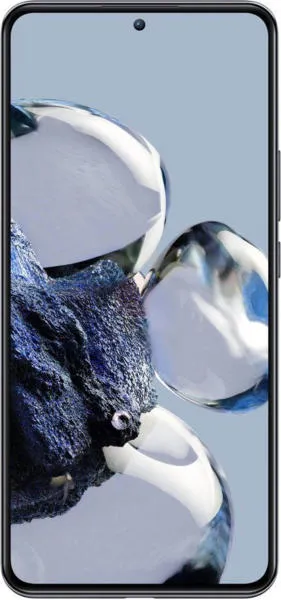
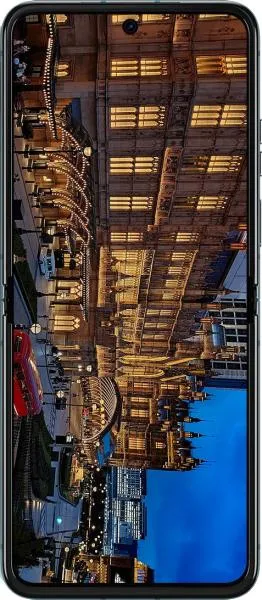
| Design | Slab, Glass/Aluminum | Foldable, Glass/Aluminum | Razr 40 offers pocket-friendly portability and a unique form factor; 12T Pro prioritizes a larger screen experience. |
| Dimensions (mm) | 163.1 x 75.9 x 8.6 | 170.8 x 74 x 7.4 (Folded) | Razr 40 is significantly more compact when folded, ideal for pockets; 12T Pro is larger, offering better grip. |
| Weight (g) | 205 | 188.6 | Razr 40 is noticeably lighter. |
| Display | 6.67" AMOLED, 120Hz, HDR10+ | 6.9" Foldable AMOLED, 144Hz, HDR10+ | Razr 40 boasts a higher refresh rate and peak brightness for smoother visuals and better outdoor visibility. |
| Resolution | 1220 x 2712 | 1080 x 2640 | Both offer sharp displays; 12T Pro boasts slightly higher pixel density. |
| Performance | Snapdragon 8+ Gen 1 | Snapdragon 7 Gen 1 | 12T Pro delivers significantly faster processing power for demanding tasks and gaming. |
| RAM | 8GB/12GB | 8GB/12GB | Both offer ample RAM for multitasking, though performance will differ due to chipset disparity. |
| Camera | 200MP Main, OIS | 64MP Main, OIS | 12T Pro emphasizes high resolution; real-world image quality will depend on processing and sensor size. |
| Battery Life | 5000mAh | 4200mAh | 12T Pro offers a larger battery capacity, potentially translating to longer usage time. |
| Charging | Fast charging | Fast charging | Specific charging speeds need further clarification from manufacturer specs. |
| Software | Android 12, upgradable to 14 | Android 13, upgradable to 16 | Razr 40 offers longer software support, crucial for security updates and new features. |
| Price Range | Medium | Medium | Actual prices vary; thorough research is recommended before purchase. |
2. Key Insights
The Xiaomi 12T Pro shines with its raw performance, courtesy of the Snapdragon 8+ Gen 1. This translates to a lag-free experience, even with demanding applications and games. The 200MP camera sensor promises detailed photos, though real-world performance will depend on software optimization. The larger battery is also a plus for power users.
The Motorola Razr 40, however, captivates with its innovative foldable design. Its compact size when folded is a major draw for portability. The 144Hz display offers incredibly smooth scrolling and animations. While the Snapdragon 7 Gen 1 isn't as powerful as the 12T Pro's chip, it's still capable for everyday tasks.
3. User Profiles and Recommendations
Xiaomi 12T Pro: Ideal for power users, gamers, and photography enthusiasts who prioritize performance and a large screen.
Motorola Razr 40: Best suited for style-conscious users who value portability and a unique form factor. The foldable design is a conversation starter and perfect for those constantly on the move.
4. Buying Decision Framework
- What's your priority: Performance or Portability? If raw power is paramount, the 12T Pro is the clear winner. If portability and a unique design are more important, the Razr 40 is a compelling choice.
- What's your budget? While both are in the mid-range, compare specific retail prices in your region.
- How important is software longevity? The Razr 40's longer software update commitment might be crucial for some users.
My Choice: The Xiaomi 12T Pro
While I appreciate the innovative design of the Razr 40, as a tech journalist who often pushes devices to their limits, I'd choose the Xiaomi 12T Pro. The superior performance of the Snapdragon 8+ Gen 1, coupled with the larger battery, aligns better with my workflow. The higher resolution camera, while not the sole determinant of image quality, offers more flexibility for capturing detailed shots. Ultimately, the 12T Pro provides the robust performance and endurance I need for daily use and content creation. The Razr 40's foldable novelty, while attractive, doesn't outweigh the practical benefits of the 12T Pro's powerful hardware for my specific needs.
