
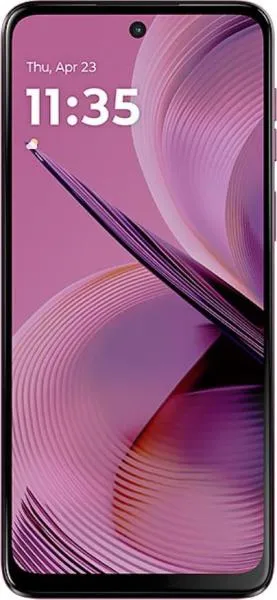
Xiaomi 12T Pro vs. Motorola Moto G55: A Deep Dive
Let's dissect the Xiaomi 12T Pro and the Motorola Moto G55, two compelling smartphones vying for your attention in the mid-range market. We'll go beyond the spec sheet to uncover what these numbers really mean for your daily life.
1. Specifications Breakdown
| Feature | Xiaomi 12T Pro | Motorola Moto G55 | Real-World Implications |
|---|---|---|---|
| Design | |||
| Dimensions (mm) | 163.1 x 75.9 x 8.6 | 161.6 x 73.8 x 8.1 | 12T Pro slightly larger, may feel less comfortable for one-handed use. |
| Weight (g) | 205 | 179 | Moto G55 noticeably lighter, reducing hand fatigue during extended use. |
| Build Materials | Glass front (Gorilla Glass 5), aluminum frame | Plastic frame | 12T Pro feels more premium and potentially more durable. |
| Display | |||
| Type | AMOLED, 68B colors, 120Hz, Dolby Vision, HDR10+ | IPS LCD, 120Hz | 12T Pro offers richer colors, deeper blacks, and higher contrast thanks to AMOLED. |
| Size | 6.67" | 6.49" | Negligible difference in screen real estate. |
| Resolution | 1220 x 2712 pixels (446 ppi) | 1080 x 2400 pixels (405 ppi) | 12T Pro boasts sharper visuals due to higher resolution, though the difference might not be drastic. |
| Refresh Rate | 120Hz | 120Hz | Both offer smooth scrolling and animations. |
| Performance | |||
| Chipset | Snapdragon 8+ Gen 1 (4nm) | MediaTek Dimensity 7025 (6nm) | 12T Pro significantly more powerful, enabling demanding gaming and multitasking. |
| CPU | Octa-core (1x3.19 GHz Cortex-X2 & 3x2.75 GHz...) | Octa-core (2x2.5 GHz...) | 12T Pro offers superior processing speed and efficiency. |
| GPU | Adreno 730 | IMG BXM-8-256 | 12T Pro delivers a much better gaming experience. |
| RAM | 8GB/12GB | 8GB | Both offer ample RAM for smooth multitasking. |
| Camera | |||
| Main Camera | 200MP, Samsung HP1, f/1.69 | 50MP, f/1.8 | 12T Pro boasts higher resolution, potentially capturing more detail. |
| Video Recording | Up to 8K@24fps | Up to 1080p@60fps | 12T Pro offers significantly higher video resolution and more advanced features. |
| Battery Life | |||
| Capacity | 5000 mAh | 5000 mAh | Similar battery capacities, though real-world usage will vary due to different chipsets. |
2. Key Insights
The Xiaomi 12T Pro is a clear powerhouse, excelling in performance, display, and camera capabilities. Its Snapdragon 8+ Gen 1 chip delivers blazing-fast speeds, making it ideal for demanding tasks and gaming. The vibrant AMOLED display and 200MP camera further solidify its position as a premium device.
The Motorola Moto G55, while less powerful, offers a compelling value proposition. Its strengths lie in its lightweight design, clean Android experience, and long battery life. It's a solid choice for users prioritizing affordability and simplicity.
3. User Profiles and Recommendations
Xiaomi 12T Pro: Ideal for power users, gamers, photography enthusiasts, and anyone seeking a flagship-level experience without the flagship price tag.
Motorola Moto G55: Suited for budget-conscious users, casual smartphone users, and those prioritizing a clean Android experience and all-day battery life. Good for basic tasks like web browsing, social media, and light gaming.
4. Buying Decision Framework
- What's your budget? The 12T Pro commands a higher price, reflecting its superior specs.
- What are your primary smartphone needs? If performance and camera quality are paramount, the 12T Pro is the winner. If affordability and simplicity are key, consider the Moto G55.
- Do you prioritize a premium feel and advanced features? The 12T Pro's AMOLED display and glass/aluminum build offer a more luxurious experience.
My Choice: Xiaomi 12T Pro
While the Moto G55 is a respectable contender at its price point, I would choose the Xiaomi 12T Pro. The significant performance difference, the gorgeous AMOLED display, and the versatile camera system are too compelling to ignore. As someone who values a smooth, responsive user experience and enjoys mobile photography and gaming, the 12T Pro aligns perfectly with my needs. The price premium is justified by the substantial upgrade in overall capabilities. It's a future-proof device that can handle demanding tasks for years to come.
