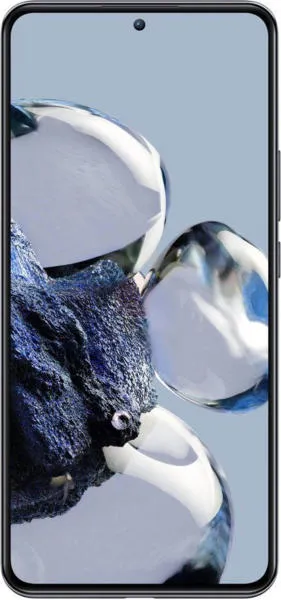
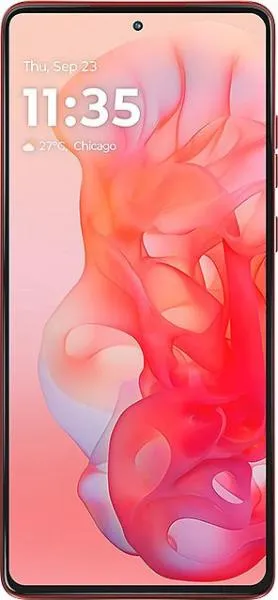
Let's dive into a comparative analysis of the Xiaomi 12T Pro and the Motorola Moto G Stylus 5G (2024), dissecting their specs and revealing what they truly offer the everyday user.
1. Specifications Breakdown
| Feature | Xiaomi 12T Pro | Motorola Moto G Stylus 5G (2024) | Real-World Implications |
|---|---|---|---|
| Design | |||
| Dimensions (mm) | 163.1 x 75.9 x 8.6 | 162.6 x 74.8 x 8.3 | Moto G Stylus slightly smaller and lighter, potentially more comfortable for one-handed use. |
| Weight (g) | 205 | 190 | Moto G Stylus noticeably lighter, reducing hand fatigue during extended use. |
| Stylus | No | Yes | Stylus offers precise input for note-taking, drawing, and navigation; adds functionality. |
| Display | |||
| Type | AMOLED | pOLED | Both offer vibrant colors and deep blacks. AMOLED generally has slightly better brightness. |
| Size | 6.67" | 6.7" | Virtually identical screen real estate. |
| Resolution | 1220 x 2712 | 1080 x 2400 | Xiaomi boasts significantly sharper visuals due to higher resolution (446 ppi vs 393 ppi). |
| Refresh Rate | 120Hz | 120Hz | Both deliver smooth scrolling and animations for a fluid user experience. |
| Performance | |||
| Chipset | Snapdragon 8+ Gen 1 | Snapdragon 6 Gen 1 | Xiaomi dramatically outperforms in demanding tasks like gaming and multitasking due to flagship chip. |
| CPU | Octa-core (1x3.19 GHz Cortex-X2 & 3x2.75 GHz Cortex-A710 & 4x2.0 GHz Cortex-A510) | Octa-core (4x2.2 GHz Cortex-A78 & 4x1.8 GHz Cortex-A55) | Xiaomi's more powerful CPU architecture delivers superior performance. |
| GPU | Adreno 730 | Adreno 710 | Xiaomi offers a significant advantage in graphics processing for gaming and visually intensive apps. |
| RAM | 8GB | 8GB | Both offer ample RAM for smooth multitasking. |
| Camera | |||
| Main Camera | 200MP | 50MP | Xiaomi boasts higher resolution, potentially capturing more detail. Real-world image quality depends on processing. |
| Video | 8K@24fps | 4K@30fps | Xiaomi supports higher resolution video recording. |
| Battery Life | |||
| Capacity | 5000mAh | 5000mAh | Both offer similar battery capacity, potentially delivering all-day usage. |
2. Key Insights
The Xiaomi 12T Pro is a performance powerhouse. Its Snapdragon 8+ Gen 1 chip, high-resolution display, and impressive camera specs make it a top contender for demanding users. However, it lacks the unique stylus functionality of the Moto G Stylus.
The Motorola Moto G Stylus 5G (2024) offers a distinct advantage with its integrated stylus, catering to users who prioritize note-taking and creative tasks. While its performance is respectable for everyday use, it's not in the same league as the Xiaomi in terms of raw power.
3. User Profiles and Recommendations
Xiaomi 12T Pro: Ideal for power users, gamers, photography enthusiasts, and those who prioritize top-tier performance and a stunning display.
Motorola Moto G Stylus 5G (2024): Best suited for students, artists, note-takers, and individuals who value the precision and functionality of a stylus for productivity and creative expression. It's a solid choice for those seeking a balance between features and affordability.
4. Buying Decision Framework
- What is your budget? The Xiaomi 12T Pro typically falls into a higher price bracket than the Moto G Stylus.
- What are your primary use cases? Gaming, photography, and demanding tasks favor the Xiaomi. Note-taking, drawing, and general productivity lean towards the Moto G Stylus.
- Do you prioritize raw performance or specific features like a stylus? This will be the deciding factor for many.
My Choice
If I were choosing between these two, I'd opt for the Xiaomi 12T Pro. While the stylus is a compelling feature, my workflow heavily relies on raw processing power, a vibrant and sharp display, and excellent camera capabilities. The Xiaomi's superior performance in these areas, driven by the Snapdragon 8+ Gen 1, its higher resolution display, and advanced camera features, aligns perfectly with my needs as a tech journalist who often juggles demanding tasks, edits photos and videos, and consumes multimedia content. The slight price premium is justified for the significant performance uplift and enhanced user experience it offers. The Moto G Stylus is a compelling device for its specific niche, but the Xiaomi's overall package better suits my priorities.
