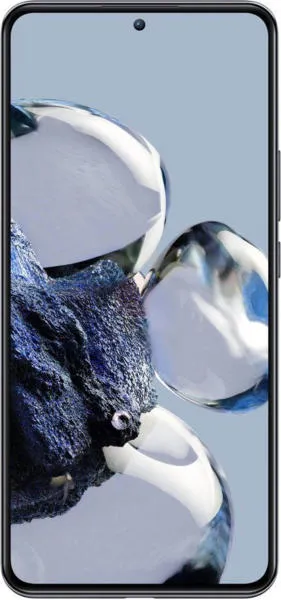
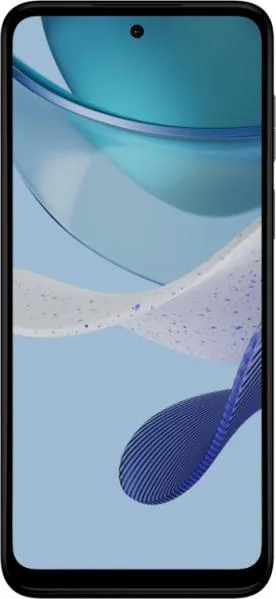
Xiaomi 12T Pro vs. Motorola Moto G (2023): A Deep Dive
Let's dissect the Xiaomi 12T Pro and the Motorola Moto G (2023), cutting through the marketing jargon to reveal what these phones truly offer in terms of real-world performance.
1. Specifications Breakdown
| Feature | Xiaomi 12T Pro | Motorola Moto G (2023) | Real-World Implications |
|---|---|---|---|
| Design | |||
| Dimensions (mm) | 163.1 x 75.9 x 8.6 | 164 x 75 x 8.4 | 12T Pro slightly more compact, but both are large phones. |
| Weight (g) | 205 | 189 | Moto G noticeably lighter, reducing hand fatigue during extended use. |
| Build Materials | Glass front, aluminum frame | Plastic frame | 12T Pro feels more premium and durable. |
| Display | |||
| Type | AMOLED | IPS LCD | 12T Pro offers deeper blacks, more vibrant colors, and better power efficiency. Moto G has wider viewing angles potentially. |
| Size | 6.67" | 6.5" | Negligible size difference in practical use. |
| Resolution | 1220 x 2712 (446 ppi) | 720 x 1600 (270 ppi) | 12T Pro significantly sharper and more detailed, especially for media consumption. Moto G is noticeably less sharp. |
| Refresh Rate | 120Hz | 120Hz | Both offer smooth scrolling and animations, but the 12T Pro's superior display makes this more impactful. |
| Performance | |||
| Chipset | Snapdragon 8+ Gen 1 | Snapdragon 480+ 5G | Massive performance difference. 12T Pro excels in demanding tasks like gaming and multitasking. Moto G for basic use. |
| CPU | Octa-core (up to 3.19 GHz) | Octa-core (up to 2.2 GHz) | 12T Pro significantly faster and more responsive. |
| RAM | 8GB/12GB | 4GB | 12T Pro offers more headroom for multitasking and demanding applications. |
| Camera | |||
| Main Sensor | 200MP (Samsung HP1) | 48MP | 12T Pro boasts higher resolution and a larger sensor, potentially capturing more detail and light. |
| Video Recording | Up to 8K@24fps | Up to 1080p@30fps | 12T Pro offers vastly superior video recording capabilities. |
| Battery Life | |||
| Capacity | 5000 mAh | 5000 mAh | Similar battery capacities, but the 12T Pro's AMOLED display and more efficient chipset could result in longer battery life. |
2. Key Insights
The Xiaomi 12T Pro is a flagship-level device offering top-tier performance, a stunning display, and advanced camera capabilities. The Snapdragon 8+ Gen 1 chip ensures blazing-fast speeds, while the 200MP camera promises exceptional detail. The AMOLED display with a 120Hz refresh rate delivers a visually immersive experience.
The Motorola Moto G (2023), on the other hand, is a budget-friendly option focusing on essential features. The Snapdragon 480+ 5G provides decent performance for everyday tasks, and the 5000mAh battery promises long-lasting power. However, the display and camera are significantly less impressive than the 12T Pro.
3. User Profiles and Recommendations
Xiaomi 12T Pro: Ideal for power users, gamers, photography enthusiasts, and anyone who demands top-of-the-line performance and a premium multimedia experience.
Motorola Moto G (2023): Suitable for budget-conscious users who prioritize battery life and reliable performance for basic tasks like browsing, social media, and communication.
4. Buying Decision Framework
- What is your budget? The 12T Pro is significantly more expensive.
- What level of performance do you need? For demanding tasks, the 12T Pro is a must. For basic use, the Moto G suffices.
- What are your priorities? Prioritize display and camera? Choose the 12T Pro. Battery life and affordability? The Moto G is a contender.
My Choice: I would choose the Xiaomi 12T Pro. While more expensive, the significant leap in performance, the stunning AMOLED display, and the advanced camera system are compelling. As a tech enthusiast, I value a fluid, responsive user experience and high-quality media consumption, which the 12T Pro delivers in spades. The Moto G, while respectable for its price, simply doesn't offer the same level of overall experience.
