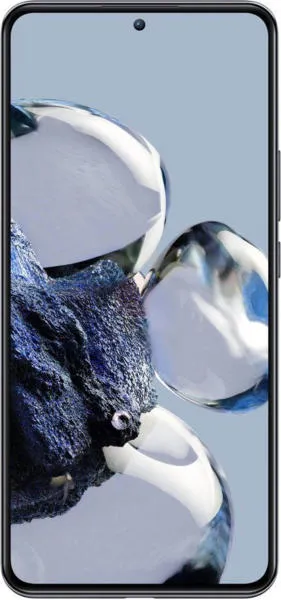
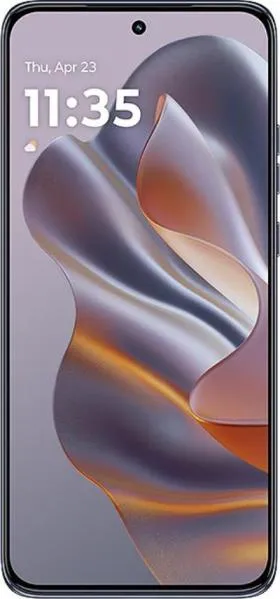
Xiaomi 12T Pro vs. Motorola Edge 50 Neo: A Deep Dive
Let's dissect the Xiaomi 12T Pro and the Motorola Edge 50 Neo, two compelling contenders in the mid-range smartphone arena. We'll go beyond the spec sheets to uncover what these numbers truly mean for your everyday experience.
1. Specifications Breakdown
| Feature | Xiaomi 12T Pro | Motorola Edge 50 Neo | Real-World Implications |
|---|---|---|---|
| Design | |||
| Dimensions (mm) | 163.1 x 75.9 x 8.6 | 154.1 x 71.2 x 8.1 | Edge 50 Neo is slightly smaller and lighter, potentially improving one-handed usability. |
| Weight (g) | 205 | 171 | Noticeable difference in weight; Edge 50 Neo feels less bulky. |
| Display | |||
| Type | AMOLED | LTPO P-OLED | Both offer vibrant colors and deep blacks; LTPO allows for dynamic refresh rate, saving battery. |
| Size | 6.67" | 6.4" | 12T Pro offers a slightly larger screen for immersive content. |
| Resolution | 1220 x 2712 | 1256 x 2760 | Both are sharp; Edge 50 Neo boasts slightly higher pixel density, but the difference is negligible. |
| Refresh Rate | 120Hz | 120Hz | Smooth scrolling and animations on both. |
| Performance | |||
| Chipset | Snapdragon 8+ Gen 1 | Dimensity 7300 | 12T Pro's flagship-level processor offers significantly higher performance in demanding tasks. |
| CPU | Octa-core (1x3.19 GHz Cortex-X2 & 3x2.75 GHz Cortex-A710 & 4x2.0 GHz Cortex-A510) | Octa-core (4x2.5 GHz Cortex-A78 & 4x2.0 GHz Cortex-A55) | 12T Pro boasts a more powerful CPU architecture, resulting in faster processing speeds. |
| GPU | Adreno 730 | Mali-G615 MC2 | 12T Pro's GPU delivers superior graphics performance for gaming and content creation. |
| RAM | 8/12GB | 8/12GB | Both offer ample RAM for multitasking; 12GB variant provides extra headroom for future-proofing. |
| Camera | |||
| Main Camera | 200MP | 50MP | 12T Pro boasts a higher resolution sensor, potentially capturing more detail. |
| Video | 8K@24fps | 4K@30fps | 12T Pro offers higher resolution video recording. |
| Battery Life | |||
| Capacity | 5000mAh | 4310mAh | 12T Pro likely offers longer battery life due to larger capacity. |
2. Key Insights
The Xiaomi 12T Pro is a performance powerhouse. Its Snapdragon 8+ Gen 1 chip, coupled with a high-resolution display and impressive camera system, positions it as a premium device. You'll experience blazing-fast speeds, smooth gaming, and potentially stunning photos.
The Motorola Edge 50 Neo, on the other hand, prioritizes efficiency and a sleek design. The LTPO display dynamically adjusts the refresh rate, conserving battery. While its Dimensity 7300 processor isn't as powerful as the 12T Pro's, it should handle everyday tasks with ease. The Edge 50 Neo offers a more streamlined, lighter experience.
3. User Profiles and Recommendations
Xiaomi 12T Pro: Ideal for power users, gamers, content creators, and those who demand top-tier performance. If you prioritize speed, a stunning display, and a high-resolution camera, the 12T Pro is a compelling choice.
Motorola Edge 50 Neo: Suitable for users who value battery life, a sleek design, and a smooth user experience. If you're a moderate user who prioritizes efficiency and portability, the Edge 50 Neo offers a compelling balance.
4. Buying Decision Framework
- What's your budget? Both phones fall within the mid-range, but the 12T Pro might be slightly more expensive.
- What are your performance needs? Heavy gaming or demanding apps? The 12T Pro is your go-to. Everyday tasks and moderate usage? The Edge 50 Neo suffices.
- How important is battery life? The Edge 50 Neo's LTPO display could offer an advantage for all-day use.
My Choice: The Xiaomi 12T Pro
While the Motorola Edge 50 Neo presents a well-rounded package, I'd choose the Xiaomi 12T Pro. As a tech enthusiast who often pushes devices to their limits, I crave the raw power and responsiveness of the Snapdragon 8+ Gen 1. The superior GPU is crucial for mobile gaming and demanding applications, areas where I spend a considerable amount of time. The brighter peak brightness of the 12T Pro's AMOLED display is also a significant advantage for outdoor use. While battery life is always a concern, I'm willing to carry a power bank if it means having access to that level of performance. The 200MP camera, while potentially overkill for some, intrigues me from a technological standpoint, and I'd enjoy exploring its capabilities. Ultimately, the 12T Pro aligns more closely with my needs and preferences as a power user who values cutting-edge technology.
