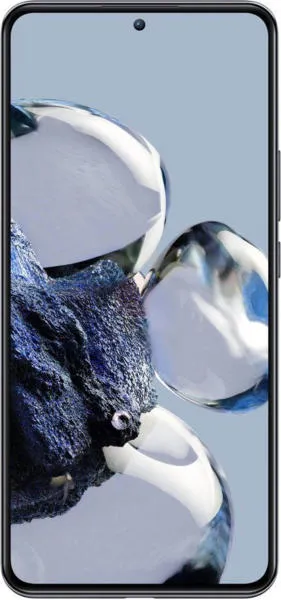
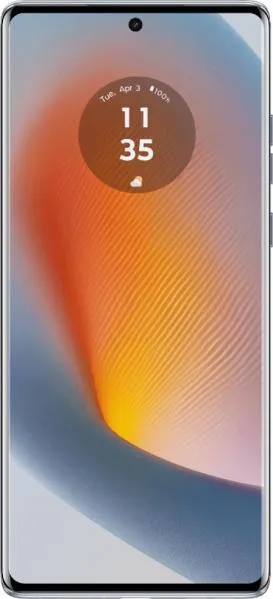
Xiaomi 12T Pro vs. Motorola Edge 50 Fusion: A Deep Dive
Let's dissect the Xiaomi 12T Pro and the Motorola Edge 50 Fusion, two compelling contenders in the mid-range smartphone arena. We'll go beyond the spec sheet to uncover what these numbers really mean for you.
1. Specifications Breakdown
| Feature | Xiaomi 12T Pro | Motorola Edge 50 Fusion | Real-World Implications |
|---|---|---|---|
| Design | |||
| Dimensions (mm) | 163.1 x 75.9 x 8.6 | 161.9 x 73.1 x 7.9 | Edge 50 Fusion is slightly smaller and lighter, potentially more comfortable for one-handed use. |
| Weight (g) | 205 | 174.9 | Noticeable difference in hand; Edge 50 Fusion feels less hefty. |
| Display | |||
| Type | AMOLED | pOLED | Both offer vibrant colors and deep blacks. pOLED might be slightly more power-efficient. |
| Size | 6.67" | 6.7" | Negligible size difference. |
| Resolution | 1220 x 2712 | 1080 x 2400 | 12T Pro boasts significantly sharper visuals due to higher pixel density. Noticeable in fine text and images. |
| Refresh Rate | 120Hz | 120/144Hz (Region Dependent) | Both offer smooth scrolling and animations. Edge 50 Fusion's potential 144Hz provides a slight edge in fluidity in some regions. |
| Performance | |||
| Chipset | Snapdragon 8+ Gen 1 | Snapdragon 7s Gen 2 | 12T Pro significantly outperforms in demanding tasks like gaming and video editing due to its flagship-level processor. |
| CPU | Octa-core (1x3.19 GHz...) | Octa-core (4x2.4 GHz...) | 12T Pro's higher clock speeds and more powerful core architecture deliver superior processing power. |
| RAM | 8/12GB | 8/12GB | Both offer ample RAM for multitasking, though 12T Pro's superior processor will handle memory-intensive applications better. |
| Camera | |||
| Main Sensor | 200MP (Samsung HP1) | 50MP (Sony IMX766) | 12T Pro's massive sensor offers higher resolution for detailed shots and potentially better low-light performance via pixel binning. |
| Video | 8K@24fps | 4K@30fps | 12T Pro allows for higher resolution video recording. |
| Battery Life | |||
| Capacity | 5000mAh | 5000mAh | Similar battery capacities suggest comparable longevity, but real-world usage will depend on optimization and individual use patterns. |
2. Key Insights
The Xiaomi 12T Pro is a performance powerhouse. Its Snapdragon 8+ Gen 1 chip delivers a noticeable advantage in speed and responsiveness. The 200MP camera, while potentially overkill for some, offers impressive detail and versatility. The sharper display is a clear win for media consumption.
The Motorola Edge 50 Fusion focuses on providing a well-rounded experience at a potentially more accessible price point. Its Snapdragon 7s Gen 2, while not as powerful as the 12T Pro, is still capable for everyday tasks. The higher refresh rate display (in some regions) offers incredibly smooth visuals. It’s lighter and arguably more pocketable.
3. User Profiles and Recommendations
Xiaomi 12T Pro: Ideal for power users, gamers, content creators, and anyone who demands top-tier performance and a stunning display. If you prioritize speed and camera capabilities, the 12T Pro is a compelling choice.
Motorola Edge 50 Fusion: Suited for users who prioritize a balanced experience, smooth visuals, and all-day battery life at a potentially lower price. Excellent for social media, web browsing, and moderate gaming.
4. Buying Decision Framework
- What's your budget? The 12T Pro typically commands a higher price. Determine if the performance premium justifies the cost.
- What are your primary use cases? Heavy gaming and content creation lean towards the 12T Pro. Everyday tasks and media consumption might favor the Edge 50 Fusion.
- Do you prioritize raw performance or a more balanced experience? The 12T Pro excels in speed, while the Edge 50 Fusion offers a well-rounded package.
My Choice: The Xiaomi 12T Pro
While the Motorola Edge 50 Fusion is a respectable contender, I would choose the Xiaomi 12T Pro. As a tech journalist, I often push devices to their limits, and the 12T Pro's superior processing power and stunning display are crucial for my workflow. The ability to capture incredibly detailed photos and 8K video is a bonus. The slight increase in size and weight is a trade-off I'm willing to make for the significant performance gains. I value having headroom for future-proofing and demanding applications, making the 12T Pro the better long-term investment for my needs.
