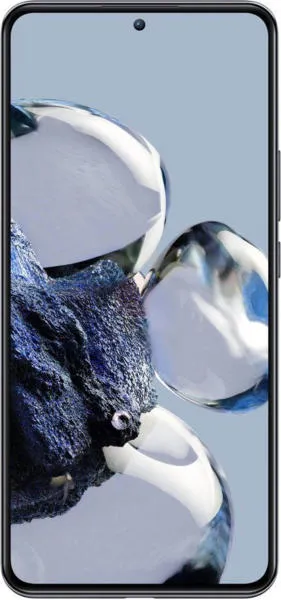
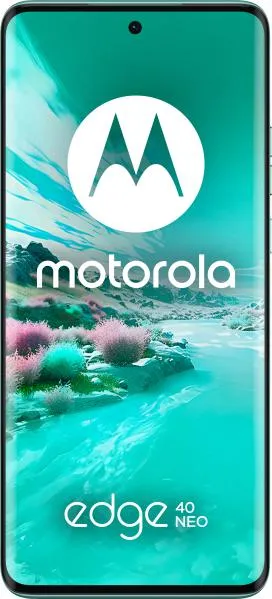
Xiaomi 12T Pro vs. Motorola Edge 40 Neo: A Deep Dive
Let's dissect the Xiaomi 12T Pro and the Motorola Edge 40 Neo, two compelling contenders in the mid-range smartphone arena. We'll go beyond the spec sheet to uncover what these numbers really mean for you.
1. Specifications Breakdown
| Feature | Xiaomi 12T Pro | Motorola Edge 40 Neo | Real-World Implications |
|---|---|---|---|
| Design | |||
| Dimensions (mm) | 163.1 x 75.9 x 8.6 | 159.6 x 72 x 7.9 | Edge 40 Neo is slightly smaller and noticeably lighter, enhancing one-handed usability. |
| Weight (g) | 205 | 170 | Lighter phones are more comfortable for extended use and pocket-friendly. |
| Display | |||
| Type | AMOLED | P-OLED | Both offer vibrant colors and deep blacks. P-OLED can be slightly more power-efficient. |
| Size (inches) | 6.67 | 6.55 | Negligible difference in screen real estate. |
| Resolution | 1220 x 2712 | 1080 x 2400 | 12T Pro boasts sharper visuals due to higher pixel density (446 ppi vs. 402 ppi). |
| Refresh Rate (Hz) | 120 | 144 | Edge 40 Neo's higher refresh rate delivers smoother animations and scrolling, especially noticeable in gaming. |
| Performance | |||
| Chipset | Snapdragon 8+ Gen 1 | Dimensity 7030 | 12T Pro packs significantly more processing power, resulting in faster app launches, smoother multitasking, and better gaming. |
| CPU | Octa-core (1x3.19 GHz Cortex-X2 & 3x2.75 GHz Cortex-A710 & 4x2.0 GHz Cortex-A510) | Octa-core (2x2.5 GHz Cortex-A78 & 6x2.0 GHz Cortex-A55) | 12T Pro's superior CPU architecture provides a substantial performance advantage. |
| RAM (GB) | 8/12 | 12 | While Edge 40 Neo has more RAM in this comparison, the 12T Pro's superior processor architecture and larger faster cache often offsets this in real-world use. |
| Camera | |||
| Main Sensor (MP) | 200 | 50 | 12T Pro's massive sensor captures more detail and light, potentially delivering superior image quality in various conditions. However, megapixels aren't everything - processing matters. |
| Video | 8K@24fps | 4K@30fps | 12T Pro offers higher resolution video recording. |
| Battery Life | |||
| Capacity (mAh) | 5000 | 5000 | Similar battery capacities suggest comparable longevity, but real-world usage will vary depending on software optimization and user habits. |
2. Key Insights
- Performance Powerhouse: The Xiaomi 12T Pro's Snapdragon 8+ Gen 1 chip delivers a flagship-level experience, crushing demanding tasks and gaming with ease. The Edge 40 Neo, while capable, offers a more mid-range performance level suitable for everyday use.
- Display Dilemma: Do you prioritize resolution sharpness or buttery smooth scrolling? The 12T Pro's higher resolution display shines with detailed content, while the Edge 40 Neo's 144Hz refresh rate provides an incredibly fluid user interface.
- Camera Considerations: The 12T Pro's 200MP sensor aims for unparalleled detail, but real-world image quality depends on complex processing algorithms. The Edge 40 Neo's 50MP main shooter represents a more conventional approach, and photo quality should be assessed through real-world samples.
- Lightweight Champion: The Motorola Edge 40 Neo's lighter and more compact design significantly improves handling comfort.
3. User Profiles and Recommendations
- Xiaomi 12T Pro: Ideal for power users, gamers, and photography enthusiasts who demand top-tier performance and a sharp display. It's a phone that can handle anything you throw at it.
- Motorola Edge 40 Neo: Well-suited for users prioritizing a smooth, responsive user experience in a lightweight and comfortable design. Excellent for everyday tasks, social media, and casual gaming.
4. Buying Decision Framework
- What are your primary smartphone activities? Heavy gaming and content creation lean towards the 12T Pro; everyday use and media consumption favor the Edge 40 Neo.
- How important is absolute top-tier performance? The 12T Pro significantly outperforms the Edge 40 Neo in raw processing power.
- What's your budget? Consider the price difference between the two models and whether the 12T Pro's added performance justifies the cost.
My Choice: The Xiaomi 12T Pro
While the Motorola Edge 40 Neo offers a compelling combination of smoothness and portability, I would choose the Xiaomi 12T Pro. As a tech enthusiast who frequently pushes devices to their limits, the raw power of the Snapdragon 8+ Gen 1 is irresistible. The sharper display is also a major draw for me, as I appreciate crisp visuals when viewing photos and videos. I'm willing to accept the slightly larger size and weight for the significant performance advantage and superior screen resolution. The 200MP camera, while needing further real-world testing, holds immense potential for capturing stunning detail. Ultimately, the 12T Pro aligns better with my usage patterns and priorities.
