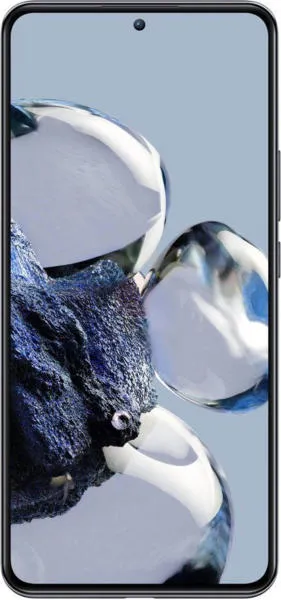
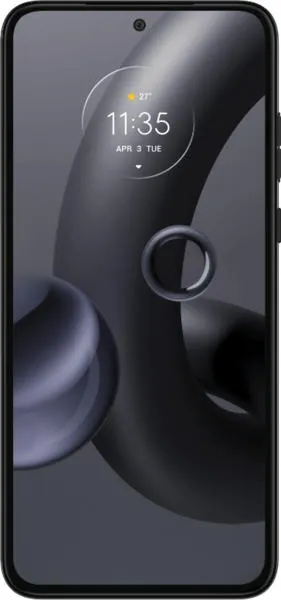
Xiaomi 12T Pro vs. Motorola Edge 30 Neo: A Deep Dive
Let's dissect the Xiaomi 12T Pro and the Motorola Edge 30 Neo, two compelling mid-range contenders vying for your attention. We'll go beyond the spec sheet to understand what these numbers truly mean for your daily life.
1. Specifications Breakdown
| Feature | Xiaomi 12T Pro | Motorola Edge 30 Neo | Real-World Implications |
|---|---|---|---|
| Design | |||
| Dimensions (mm) | 163.1 x 75.9 x 8.6 | 152.9 x 71.2 x 7.8 | Edge 30 Neo is noticeably smaller and lighter, more pocketable. |
| Weight (g) | 205 | 155 | Significant weight difference; Edge 30 Neo is more comfortable for extended use. |
| Display | |||
| Type | 6.67" AMOLED, 120Hz, Dolby Vision, HDR10+ | 6.28" pOLED, 120Hz | Both offer smooth scrolling; Xiaomi boasts a larger, brighter display with richer colors. |
| Resolution | 1220 x 2712 | 1080 x 2400 | Xiaomi's higher resolution translates to sharper text and images. |
| Performance | |||
| Chipset | Snapdragon 8+ Gen 1 | Snapdragon 695 5G | Massive performance gap; Xiaomi excels at demanding tasks, gaming, and multitasking. |
| CPU | Octa-core (1x3.19 GHz X2, 3x2.75 GHz A710, 4x2.0 GHz A510) | Octa-core (2x2.2 GHz Kryo 660, 6x1.7 GHz Kryo 660) | Xiaomi's superior CPU architecture delivers significantly faster processing speeds. |
| GPU | Adreno 730 | Adreno 619 | Xiaomi's GPU offers a substantial advantage in graphics-intensive applications and games. |
| RAM | 8GB/12GB | 8GB | Both offer ample RAM for everyday tasks, though Xiaomi's 12GB option provides future-proofing. |
| Camera | |||
| Main Sensor | 200MP Samsung HP1 | 64MP Omnivision OV64B | Xiaomi's higher resolution main sensor promises greater detail and potentially better low-light performance. Real-world results may vary. |
| Video | 8K@24fps, 4K@60fps | 1080p@120fps | Xiaomi offers significantly higher video resolution capabilities. |
| Battery Life | |||
| Capacity | 5000 mAh | 4020 mAh | Xiaomi's larger battery likely translates to longer usage time. |
| Charging | 120W HyperCharge | 68W TurboPower | Xiaomi charges significantly faster. |
2. Key Insights
The Xiaomi 12T Pro is a performance powerhouse. Its Snapdragon 8+ Gen 1 chip, high refresh rate AMOLED display, and 200MP camera make it a strong contender in the premium mid-range segment. However, its larger size and weight might not appeal to everyone.
The Motorola Edge 30 Neo prioritizes portability and style. It's significantly lighter and smaller, making it ideal for one-handed use. While its performance is respectable for everyday tasks, it's not in the same league as the 12T Pro. The vibrant color options and clean Android experience add to its appeal.
3. User Profiles and Recommendations
Xiaomi 12T Pro: Ideal for power users, gamers, and content creators who demand top-tier performance, a stunning display, and advanced camera features.
Motorola Edge 30 Neo: Perfect for users who prioritize portability, style, and a smooth user experience for everyday tasks like social media, browsing, and light gaming. Its compact form factor and attractive design make it a compelling option for those seeking a comfortable and stylish phone.
4. Buying Decision Framework
- What is your budget and performance priority? The 12T Pro commands a higher price for its superior performance. If budget is tight and top-tier performance isn't crucial, the Edge 30 Neo offers excellent value.
- Do you prioritize portability and one-handed use? The Edge 30 Neo's compact design wins hands down in this category.
- How important is battery life and charging speed? Xiaomi's larger battery and significantly faster charging give it a clear edge.
Scenario-Based Recommendations:
- Heavy gamer: Xiaomi 12T Pro
- Social media enthusiast on the go: Motorola Edge 30 Neo
- Photographer/Videographer: Xiaomi 12T Pro
My Choice: Xiaomi 12T Pro
While I appreciate the Motorola Edge 30 Neo's compact design, I would choose the Xiaomi 12T Pro. As a tech journalist who frequently tests demanding apps, edits photos and videos, and multitasks extensively, the raw power and superior camera capabilities of the 12T Pro are crucial. The larger, higher-resolution display also enhances my content consumption experience. The faster charging is a significant bonus in my fast-paced life. While the extra weight is a minor trade-off, the substantial performance gains justify the choice for my specific needs. I believe the 12T Pro offers a better long-term investment due to its future-proof specifications.
