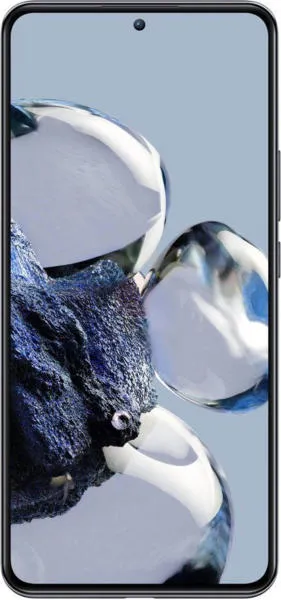
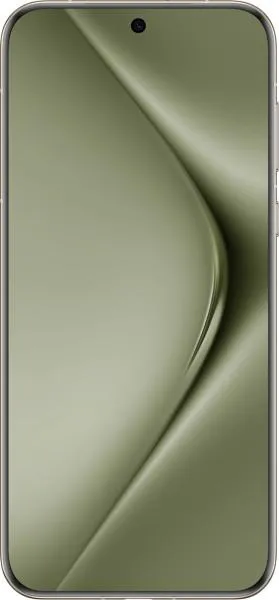
Xiaomi 12T Pro vs. Huawei Pura 70 Ultra: A Deep Dive
Let's dissect these two intriguing smartphones, the Xiaomi 12T Pro and the Huawei Pura 70 Ultra, going beyond the spec sheet to uncover what truly matters for you, the user.
1. Specifications Breakdown
| Feature | Xiaomi 12T Pro | Huawei Pura 70 Ultra | Real-World Implications | |
|---|---|---|---|---|
| Design | ||||
| Dimensions (mm) | 163.1 x 75.9 x 8.6 | 162.6 x 75.1 x 8.4 | Pura 70 Ultra slightly more compact, negligible difference in hand. | |
| Weight (g) | 205 | 226 | Pura 70 Ultra noticeably heavier, potentially impacting comfort. | |
| Display | ||||
| Size (inches) | 6.67 | 6.8 | Pura 70 Ultra offers marginally larger screen real estate. | |
| Resolution (px) | 1220 x 2712 | 1260 x 2844 | Both sharp, Pura 70 Ultra slightly higher pixel density. | |
| Type | AMOLED | LTPO OLED | Pura 70 Ultra's LTPO enables dynamic refresh rate for battery saving. | |
| Refresh Rate (Hz) | 120 | 120 | Smooth scrolling and animations on both. | |
| Peak Brightness(nits) | 900 | 2500 | Pura 70 Ultra significantly brighter, excellent outdoor visibility. | |
| Performance | ||||
| Chipset | Snapdragon 8+ Gen 1 | Kirin 9010 | Both flagship-level, benchmarks needed for real-world comparison. | |
| CPU | Octa-core (1x3.19 GHz Cortex-X2 & 3x2.75 GHz Cortex-A710 & 4x2.0 GHz Cortex-A510) | Octa-core (1x2.3 GHz Taishan Big & 3x2.18 GHz Taishan Mid & 4x1.55 GHz Cortex-A510) | Xiaomi's higher clock speeds suggest potential performance edge. | |
| RAM (GB) | 8/12 | 16 | Pura 70 Ultra's 16GB ensures exceptional multitasking. | |
| Camera | ||||
| Main Sensor (MP) | 200 | 50 | Xiaomi boasts higher resolution, Pura 70 Ultra likely larger sensor. | |
| Sensor Size | 1/1.22\" | 1\" | Pura 70 Ultra's larger sensor likely excels in low light. | |
| Battery Life | ||||
| Capacity (mAh) | 5000 | 5200 | Similar capacities, real-world usage will determine battery life. | |
| Other | ||||
| Price Range | Medium | High | Significant price difference. | |
| OS | Android 12 | Not specified | OS details crucial for user experience, missing for Pura 70 Ultra. | |
| USB Version | USB Type-C 2.0 | USB Type-C 3.1 | Pura 70 Ultra supports faster data transfer speeds. |
2. Key Insights
- Performance: While the Kirin 9010 is powerful, the Snapdragon 8+ Gen 1 in the Xiaomi 12T Pro, combined with its higher clock speeds, likely delivers a performance advantage in demanding tasks and gaming. The Pura 70 Ultra's 16GB RAM, however, will shine in heavy multitasking.
- Camera: The Xiaomi's 200MP sensor grabs headlines, but megapixels aren't everything. The Pura 70 Ultra's 1-inch main sensor, a rarity in smartphones, suggests superior low-light performance and potentially better dynamic range. This boils down to image quality versus resolution; we need camera samples to make a definitive judgment.
- Display: Both offer vibrant displays with fast refresh rates. The Pura 70 Ultra's LTPO panel allows for dynamic refresh rate adjustment, potentially saving battery life. Its significantly higher peak brightness will be a major advantage outdoors.
- Price: The Pura 70 Ultra sits in a higher price bracket. The value proposition hinges on whether its camera and display improvements justify the premium over the Xiaomi 12T Pro.
3. User Profiles and Recommendations
- Xiaomi 12T Pro: For users seeking excellent performance, fast charging, and a high-resolution camera without breaking the bank. Ideal for gamers, content consumers, and those who prioritize speed and value.
- Huawei Pura 70 Ultra: For users who demand the best display and low-light camera performance, willing to pay a premium. Suited for photography enthusiasts, professionals who need top-tier hardware, and those who value a premium device experience.
4. Buying Decision Framework
- What's your budget? The significant price difference may be the deciding factor for many.
- Are you a power user or a casual user? Heavy multitaskers will appreciate the Pura 70 Ultra's 16GB RAM.
- What's most important: raw camera resolution or low-light performance? Your photography priorities will determine the better camera choice.
My Choice:
I would lean towards the Xiaomi 12T Pro. While the Huawei Pura 70 Ultra boasts impressive specs on paper, especially the camera and display, the lack of concrete information about its operating system and the significantly higher price give me pause. The Xiaomi offers a compelling blend of performance, features, and value. The Snapdragon 8+ Gen 1 is a proven performer, and while 200MP might be overkill for some, it offers flexibility for cropping and detailed shots. Ultimately, the Xiaomi strikes a better balance for my needs and budget. I need to see real-world performance and camera comparisons, plus know what OS the Pura 70 Ultra is running before I could justify the price premium.
