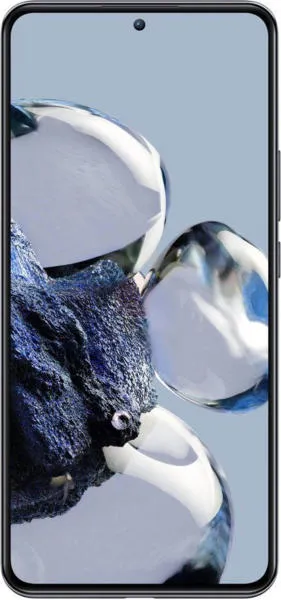
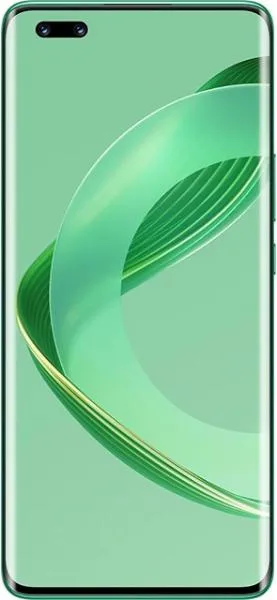
Xiaomi 12T Pro vs. Huawei nova 11 Pro: A Deep Dive
Let's dissect these two intriguing smartphones, the Xiaomi 12T Pro and the Huawei nova 11 Pro, going beyond the spec sheet to understand what they offer in the real world.
1. Specifications Breakdown
| Feature | Xiaomi 12T Pro | Huawei nova 11 Pro | Real-World Implications |
|---|---|---|---|
| Design | |||
| Dimensions (mm) | 163.1 x 75.9 x 8.6 | 164.3 x 74.4 x 7.9 | Nova 11 Pro is slightly taller and thinner. Negligible difference in daily handling. |
| Weight (g) | 205 | 188 | Nova 11 Pro noticeably lighter, reducing hand fatigue during extended use. |
| Display | |||
| Size (inches) | 6.67 | 6.78 | Nova 11 Pro offers a marginally larger screen. |
| Resolution (px) | 1220 x 2712 | 1200 x 2652 | Both are sharp, but 12T Pro's slightly higher resolution offers a minor edge in clarity. |
| Type | AMOLED | OLED | Both offer vibrant colors and deep blacks. Subtle differences in power efficiency and brightness. |
| Refresh Rate (Hz) | 120 | 120 | Both deliver smooth scrolling and animations. |
| Performance | |||
| Chipset | Snapdragon 8+ Gen 1 | Snapdragon 778G 4G | 12T Pro boasts significantly more powerful CPU and GPU for demanding tasks and gaming. |
| RAM (GB) | 8/12 | 8 | 12T Pro offers a 12GB RAM option for enhanced multitasking. |
| OS | Android 12 | HarmonyOS | 12T Pro runs on Android; Nova 11 Pro on HarmonyOS. Impacts app availability and ecosystem. |
| Camera | |||
| Main Camera (MP) | 200 | 50 | 12T Pro's massive sensor promises superior detail and low-light performance, but real-world results vary. |
| Selfie Camera (MP) | 20 | 60 | Nova 11 Pro has a higher resolution selfie camera. |
| Battery Life | |||
| Capacity (mAh) | 5000 | 4500 | 12T Pro likely to offer longer battery life due to larger capacity and potentially better efficiency. |
2. Key Insights
- Performance Champion: The Xiaomi 12T Pro is the clear winner in raw performance, thanks to the Snapdragon 8+ Gen 1. This translates to smoother gaming, faster app loading, and effortless multitasking.
- Display Nuances: While both displays are excellent, the 12T Pro might offer a slightly sharper image. However, individual preferences for color calibration and brightness might sway this aspect.
- Camera Considerations: The 12T Pro boasts a 200MP main camera sensor, while the Nova 11 Pro opts for a 50MP sensor paired with a focus on selfie capabilities. Image quality will depend on factors beyond resolution, including image processing and lens quality. Real-world comparisons are crucial.
- Software Ecosystem: The 12T Pro's Android OS offers wider app compatibility and familiarity for most users. Harmony OS on the Nova 11 Pro limits access to Google services and certain apps.
- Battery Endurance: The 12T Pro's larger battery capacity suggests better longevity. However, real-world usage patterns will ultimately determine battery life.
3. User Profiles and Recommendations
- Xiaomi 12T Pro: Ideal for power users, gamers, and anyone prioritizing performance, a versatile camera, and longer battery life.
- Huawei nova 11 Pro: Suited for users who value a lightweight design, excellent selfie capabilities, and are comfortable navigating the HarmonyOS ecosystem. Potentially a good choice for social media enthusiasts.
4. Buying Decision Framework
- What is your priority: Performance or lightweight design? 12T Pro for performance; Nova 11 Pro for portability.
- Which operating system do you prefer? Android on the 12T Pro offers broader compatibility.
- What is your budget and storage requirement? Consider pricing and available storage options.
My Choice: Xiaomi 12T Pro
If I were choosing, I'd opt for the Xiaomi 12T Pro. As a tech journalist, performance is paramount for me. The Snapdragon 8+ Gen 1 ensures a smooth and responsive experience across all tasks. The larger battery also provides peace of mind for heavy usage. While the Nova 11 Pro is appealing for its lighter weight and strong selfie game, the performance difference and the limitations of HarmonyOS are significant factors for my needs. The 12T Pro's robust feature set aligns better with my priorities as a power user who demands speed, efficiency, and a versatile camera system. I am also more comfortable with the wider app ecosystem offered by Android.
