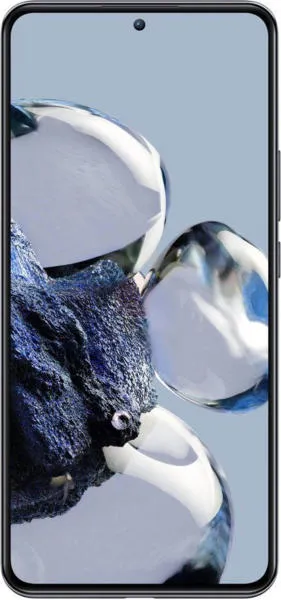
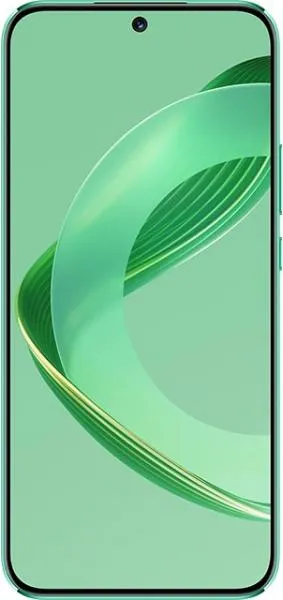
Xiaomi 12T Pro vs. Huawei nova 11: A Deep Dive
Let's dissect the Xiaomi 12T Pro and Huawei nova 11, two compelling mid-range contenders, to see which phone reigns supreme. We'll go beyond the spec sheet to uncover what these numbers really mean for your daily life.
1. Specifications Breakdown
| Feature | Xiaomi 12T Pro | Huawei nova 11 | Real-World Implications |
|---|---|---|---|
| Design | |||
| Dimensions (mm) | 163.1 x 75.9 x 8.6 | 161.3 x 75 x 6.9 | Nova 11 is noticeably thinner and lighter, making it more pocketable. |
| Weight (g) | 205 | 168 | Significant weight difference; Nova 11 will feel less bulky for extended use. |
| Display | |||
| Size (inches) | 6.67 | 6.7 | Virtually identical screen real estate. |
| Resolution (px) | 1220 x 2712 | 1084 x 2412 | 12T Pro boasts a sharper display due to higher pixel density, resulting in crisper text and images. |
| Type | AMOLED | OLED | Both offer vibrant colors and deep blacks, but AMOLED generally has a slight edge in brightness. |
| Refresh Rate (Hz) | 120 | 120 | Both deliver smooth scrolling and animations. |
| Performance | |||
| Chipset | Snapdragon 8+ Gen 1 | Snapdragon 778G 4G | 12T Pro's flagship processor offers significantly faster performance for demanding tasks and gaming. |
| CPU | Octa-core (1x3.19 GHz Cortex-X2 & 3x2.75 GHz Cortex-A710 & 4x2.0 GHz Cortex-A510) | Octa-core (4x2.4 GHz Kryo 670 & 4x1.8 GHz Kryo 670) | 12T Pro has a more powerful and efficient CPU architecture. |
| RAM (GB) | 8/12 | 8 | More RAM in the 12T Pro (in some variants) enables smoother multitasking and app switching. |
| Camera | |||
| Main Camera (MP) | 200 | 50 | Massive difference in resolution; 12T Pro promises much more detail, especially in good lighting. |
| Selfie Camera (MP) | 20 | 60 | Nova 11 has a higher resolution selfie camera. |
| Video | 8K@24fps | 720p@960fps | 12T Pro excels in high-resolution video recording, Nova 11 in slow-motion capture. |
| Battery Life | |||
| Capacity (mAh) | 5000 | 4500 | 12T Pro's larger battery likely translates to longer usage time. |
2. Key Insights
- Performance Powerhouse: The Xiaomi 12T Pro, with its Snapdragon 8+ Gen 1, obliterates the Nova 11 in raw performance. This translates to a noticeably smoother experience, especially for gaming, video editing, and heavy multitasking.
- Display Dilemma: While both phones have 120Hz refresh rates, the 12T Pro's higher resolution display provides a sharper, more detailed visual experience.
- Camera Clash: The 200MP main camera on the 12T Pro is a showstopper on paper. While real-world results depend on software processing, it has the potential to capture incredibly detailed photos. The Nova 11 counters with a high-resolution selfie camera, potentially appealing to vloggers and selfie enthusiasts.
- Lightweight Champion: The Huawei nova 11's significantly lower weight and slimmer profile make it a winner in terms of portability and one-handed use.
3. User Profiles and Recommendations
- Xiaomi 12T Pro: Ideal for power users, gamers, and those who demand top-tier performance and a stunning display. The camera's high resolution is a bonus for photography enthusiasts.
- Huawei nova 11: Suited for users prioritizing portability, style, and a good selfie camera. It's a solid choice for everyday tasks, social media, and light gaming.
4. Buying Decision Framework
- What's your budget? Compare prices in your region, considering the storage options.
- What are your performance needs? Gamers and power users will gravitate towards the 12T Pro.
- What's more important: portability or a sharper display? The Nova 11 wins on portability, the 12T Pro on display quality.
My Choice: Xiaomi 12T Pro
While the Huawei nova 11's slim design is appealing, I'd choose the Xiaomi 12T Pro. As a tech enthusiast, the superior performance of the Snapdragon 8+ Gen 1 is a major draw. The sharper display and the potential of the 200MP camera further solidify my choice. I'm willing to carry a slightly heavier phone for the significant gains in performance and overall user experience. The 12T Pro offers a more future-proof package that can handle demanding tasks and evolving mobile experiences.
