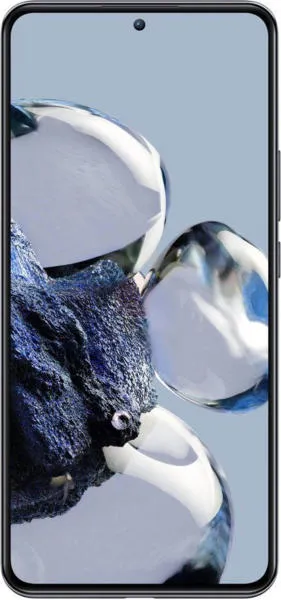
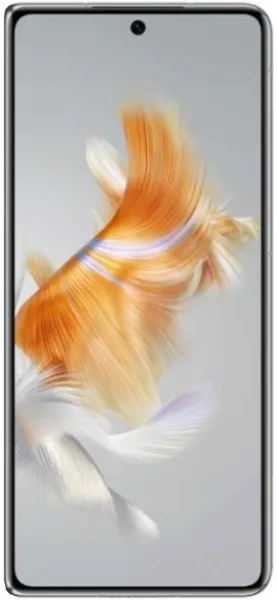
Xiaomi 12T Pro vs. Huawei Mate X3: A Comparative Analysis
Let's dive deep into a head-to-head comparison of the Xiaomi 12T Pro and the Huawei Mate X3, two compelling smartphones with distinct strengths. We'll dissect their specifications, analyze their real-world implications, and help you determine which device best suits your needs.
1. Specifications Breakdown
| Feature | Xiaomi 12T Pro | Huawei Mate X3 | Real-World Implications |
|---|---|---|---|
| Design | |||
| Dimensions (mm) | 163.1 x 75.9 x 8.6 | 156.9 x 141.5 x 5.3 (Folded) | Mate X3 significantly more compact when folded, pocketable; 12T Pro more traditional smartphone form. |
| Weight (g) | 205 | 239 | Mate X3 heavier due to folding mechanism; 12T Pro lighter for single-hand use. |
| Foldable | No | Yes | Mate X3 offers larger screen real estate and multitasking capabilities; 12T Pro a standard slab phone. |
| Display | |||
| Size (inches) | 6.67 | 7.85 (Unfolded) | Mate X3 provides a tablet-like experience when unfolded; 12T Pro a large but standard smartphone screen. |
| Resolution (px) | 1220 x 2712 | 2224 x 2496 | Both offer sharp visuals; Mate X3 has a slight edge in pixel density when unfolded. |
| Refresh Rate (Hz) | 120 | 120 | Both deliver smooth scrolling and animations. |
| Display Type | AMOLED | OLED | Both offer vibrant colors and deep blacks; potential differences in brightness and power efficiency. |
| Performance | |||
| Chipset | Snapdragon 8+ Gen 1 | Snapdragon 8+ Gen 1 4G | Nearly identical performance; Mate X3 lacks 5G connectivity. |
| CPU | Octa-core | Octa-core | Comparable processing power for demanding tasks and multitasking. |
| RAM (GB) | 8/12 | 12 | Both offer ample RAM for smooth operation; Mate X3 configuration offers more headroom for multitasking. |
| Camera | |||
| Main Camera (MP) | 200 | 50 | 12T Pro boasts higher resolution; image quality depends on sensor size, processing, and other factors. |
| Zoom | Digital | 5x Optical, Hybrid | Mate X3 offers superior zoom capabilities for distant subjects. |
| Battery Life | |||
| Capacity (mAh) | 5000 | 4800 | 12T Pro has a slightly larger battery; real-world battery life depends on usage patterns. |
2. Key Insights
- Performance Parity: Both phones utilize the powerful Snapdragon 8+ Gen 1, ensuring smooth performance. However, the Mate X3's 4G limitation is a significant drawback for future-proofing.
- Display Dilemma: The 12T Pro's AMOLED offers a vibrant, traditional smartphone experience. The Mate X3's foldable OLED provides a larger canvas for productivity and media consumption but with a crease and potential durability concerns.
- Camera Considerations: The 12T Pro's 200MP sensor grabs headlines, but the Mate X3's Leica-tuned system with superior optical zoom may offer a more refined photographic experience. Megapixels aren't everything.
- Foldability Factor: The Mate X3's folding design is its defining feature, enabling a pocket-sized device to transform into a mini-tablet. This form factor comes at a premium price and potentially compromises battery life and durability compared to the 12T Pro.
3. User Profiles and Recommendations
- Xiaomi 12T Pro: Ideal for users seeking a powerful, traditional smartphone experience with a strong emphasis on camera resolution and a more affordable price point. Great for multimedia consumption, gaming, and everyday tasks.
- Huawei Mate X3: Best suited for users who prioritize portability and a larger screen for productivity and multitasking on the go. The lack of 5G and the higher price are significant trade-offs to consider. Best for those who value cutting-edge technology and a unique form factor.
4. Buying Decision Framework
- Is 5G connectivity essential for you? If yes, the Xiaomi 12T Pro is the clear choice.
- Do you value a foldable design for portability and multitasking? If yes, the Huawei Mate X3's unique form factor might be appealing.
- What is your budget? The Xiaomi 12T Pro offers significantly better value for its price, while the Mate X3 commands a premium for its innovative design.
My Choice: Xiaomi 12T Pro
While the Huawei Mate X3 is undeniably innovative, the Xiaomi 12T Pro is the more practical and sensible choice for me. 5G connectivity is crucial for future-proofing, and the 12T Pro's compelling combination of performance, display quality, and a more affordable price makes it the winner in my book. The substantial price difference doesn't justify the Mate X3's foldable screen and lack of 5G, especially given that the real-world camera performance is likely comparable despite the megapixel disparity. I appreciate a good, solid, traditional smartphone design, and the 12T Pro delivers that in spades.
