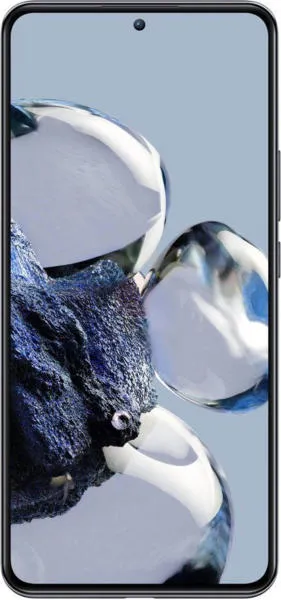
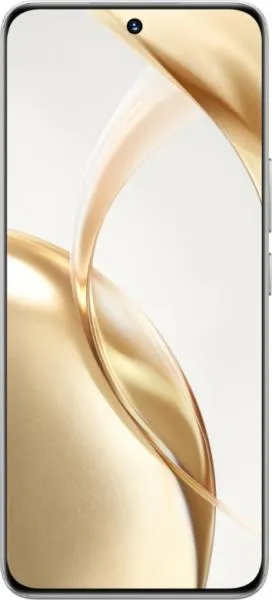
Xiaomi 12T Pro vs. Honor 200: A Deep Dive for the Discerning Smartphone User
Hello fellow tech enthusiasts! Alex Griffin here, ready to dissect the Xiaomi 12T Pro and the Honor 200. We'll go beyond the spec sheets to uncover what these devices offer in the real world. Let's get started!
1. Specifications Breakdown
| Feature | Xiaomi 12T Pro | Honor 200 | Real-World Implications |
|---|---|---|---|
| Design | |||
| Dimensions (mm) | 163.1 x 75.9 x 8.6 | 161.5 x 74.6 x 7.7 | Honor 200 is slightly more compact and lighter. |
| Weight (g) | 205 | 187 | Noticeable difference in hand feel; Honor 200 will be more comfortable for extended use. |
| Display | |||
| Size (inches) | 6.67 | 6.7 | Negligible difference in screen real estate. |
| Resolution (px) | 1220 x 2712 | 1200 x 2664 | Both offer sharp, detailed visuals; Xiaomi boasts slightly higher pixel density. |
| Type | AMOLED | OLED | Both offer vibrant colors and deep blacks; potential for slight differences in power consumption. |
| Refresh Rate (Hz) | 120 | 120 | Smooth scrolling and responsive gaming experience on both devices. |
| Peak Brightness | 900 nits (typ), 1200 nits (peak) | 4000 nits (peak) | Honor 200 boasts significantly higher peak brightness, crucial for outdoor visibility. |
| Performance | |||
| Chipset | Snapdragon 8+ Gen 1 | Snapdragon 7 Gen 3 | Xiaomi 12T Pro offers flagship-level performance; Honor 200 targets upper mid-range. |
| CPU | Octa-core (Cortex-X2, A710, A510) | Octa-core (Cortex-A715, A510) | Xiaomi should handle demanding tasks and multitasking with greater ease. |
| RAM (GB) | 8/12 | 12 | Honor 200's larger RAM could contribute to smoother multitasking, but chipset differences are key. |
| Camera | |||
| Main Sensor (MP) | 200 | 50 | Xiaomi boasts higher resolution; however, sensor size and processing play a crucial role in image quality. |
| Video | 8K@24fps | 4K@30fps | Xiaomi offers higher resolution video recording. |
| Battery Life | |||
| Capacity (mAh) | 5000 | 5200 | Honor 200 has a slightly larger battery, but real-world battery life depends on optimization. |
2. Key Insights
- Performance: The Xiaomi 12T Pro, with its Snapdragon 8+ Gen 1, significantly outperforms the Honor 200 in raw processing power. This translates to faster app loading, smoother gaming, and better handling of demanding tasks.
- Display: While both offer excellent displays, the Honor 200's exceptional peak brightness is a game-changer for outdoor use.
- Camera: The Xiaomi 12T Pro boasts a massive 200MP sensor, but megapixels don't tell the whole story. Real-world image quality will depend on factors like sensor size, processing algorithms, and lens quality. Honor 200 uses the well-regarded Sony IMX906 sensor and also offer a dedicated telephoto lens, something the Xiaomi lacks.
- Software and Updates: The Honor 200 ships with a newer version of Android (14) offering potential advantages in features and security updates in the long run.
3. User Profiles and Recommendations
- Xiaomi 12T Pro: Power users, gamers, and those seeking top-tier performance will appreciate the 12T Pro.
- Honor 200: Users prioritizing a bright display, excellent camera versatility, and longer software support might prefer the Honor 200.
4. Buying Decision Framework
- What is your budget?
- What are your primary use cases (gaming, photography, general use)?
- How important is long-term software support and updates?
My Choice: The Honor 200
While the Xiaomi 12T Pro packs a performance punch, the Honor 200 better suits my needs. The significantly brighter display is a huge plus for outdoor use, which is crucial for me. I appreciate the more modern Sony IMX906 sensor in the Honor and value having a telephoto lens, giving greater versatility. While I don't necessarily need the absolute highest processing power, the Snapdragon 7 Gen 3 is more than capable for my daily tasks, and the newer Android version promises better long-term support. The slightly lighter and more compact design is the icing on the cake. It represents a more well-rounded package that aligns with my priorities.
