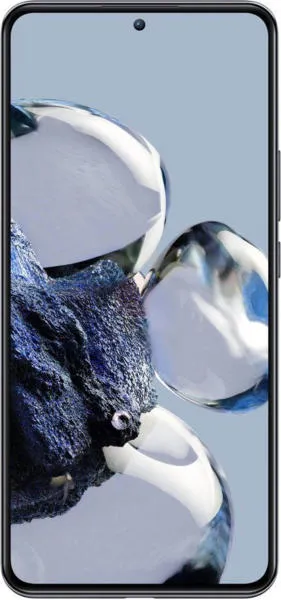
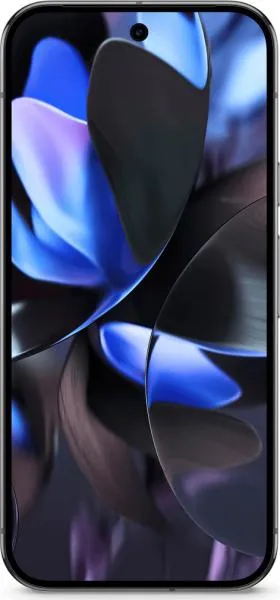
Xiaomi 12T Pro vs. Google Pixel 9 Pro XL: A Deep Dive
Let's dissect the Xiaomi 12T Pro and the Google Pixel 9 Pro XL, two compelling smartphones with distinct strengths. We'll go beyond the spec sheets to uncover what these differences truly mean for you.
1. Specifications Breakdown
| Feature | Xiaomi 12T Pro | Google Pixel 9 Pro XL | Real-World Implications |
|---|---|---|---|
| Design | |||
| Dimensions (mm) | 163.1 x 75.9 x 8.6 | 162.8 x 76.6 x 8.5 | Pixel 9 Pro XL is slightly wider, but negligibly thinner. Both are large phones. |
| Weight (g) | 205 | 221 | Noticeable difference in hand; Xiaomi feels lighter. Extended use might fatigue with the Pixel's extra weight. |
| Display | |||
| Size (inches) | 6.67 | 6.8 | Pixel offers a slightly larger viewing area. |
| Resolution (px) | 1220 x 2712 | 1344 x 2992 | Pixel boasts a sharper display with higher pixel density, leading to crisper text and images. |
| Type | AMOLED | LTPO OLED | Both offer vibrant colors and deep blacks; Pixel's LTPO allows for dynamic refresh rate, saving battery. |
| Refresh Rate (Hz) | 120 | 120 | Smooth scrolling and animations on both. |
| Peak Brightness | 900 nits | 3000 nits | Pixel significantly brighter outdoors, crucial for direct sunlight readability. |
| Performance | |||
| Chipset | Snapdragon 8+ Gen 1 | Google Tensor G4 | Both are flagship processors; Tensor G4 expected to excel in AI and machine learning tasks. |
| CPU | Octa-core | Octa-core | Tensor G4's Cortex-X4 core suggests a potential performance advantage in demanding applications. |
| RAM (GB) | 8/12 | 16 | Pixel offers double the RAM, enabling superior multitasking and smoother performance with many open apps. |
| Camera | |||
| Main Sensor (MP) | 200 | 50 | Megapixel count doesn't tell the whole story. Pixel's computational photography prowess likely outperforms. |
| DXOMark Score | 129 | 158 | Pixel scores significantly higher, indicating superior overall image and video quality. |
| Battery Life | |||
| Capacity (mAh) | 5000 | 5060 | Negligible difference in battery capacity. Pixel's LTPO display might give it an edge in real-world usage. |
2. Key Insights
- Display: The Pixel 9 Pro XL pulls ahead with its brighter, sharper LTPO display. This translates to a more enjoyable viewing experience, especially outdoors.
- Performance: While both phones pack powerful processors, the Pixel 9 Pro XL's 16GB RAM gives it a significant advantage for heavy multitasking. The Tensor G4, though newer, needs real-world testing to confirm its performance edge.
- Camera: The Pixel's lower megapixel count might seem counterintuitive, but Google's computational photography consistently delivers exceptional results. The significantly higher DXOMark score reinforces this expectation.
- Value: The Xiaomi 12T Pro offers flagship-level specifications at a mid-range price, making it a compelling value proposition. The Pixel 9 Pro XL commands a premium price, reflecting its advanced features and Google's software ecosystem.
3. User Profiles and Recommendations
- Xiaomi 12T Pro: Best suited for budget-conscious users who prioritize raw performance and a good overall experience without needing the absolute best camera or display. Ideal for gamers, power users on a budget, and those who consume a lot of media.
- Google Pixel 9 Pro XL: Perfect for photography enthusiasts, those who demand the best display technology, and users deeply integrated into the Google ecosystem. Excellent for content creators, professionals, and anyone who values a premium, refined smartphone experience.
4. Buying Decision Framework
- What's your budget? If price is a primary concern, the Xiaomi 12T Pro offers exceptional value.
- Are you a photography enthusiast? The Pixel 9 Pro XL is the clear winner for camera quality.
- What's your usage pattern? Heavy multitaskers will appreciate the Pixel's 16GB RAM.
My Choice: Google Pixel 9 Pro XL
While the Xiaomi 12T Pro offers incredible value, I'd choose the Google Pixel 9 Pro XL. The superior display, consistently excellent camera performance fueled by Google's AI magic, ample RAM for future-proofing, and the longer software update support inherent in Pixel devices make it a more compelling long-term investment for me. The price premium is justified by these tangible benefits, especially for someone who values a smooth, polished user experience and top-tier camera capabilities. I'm willing to pay more for the peace of mind that comes with Google's software updates and the confidence that the phone will remain performant for years to come.
