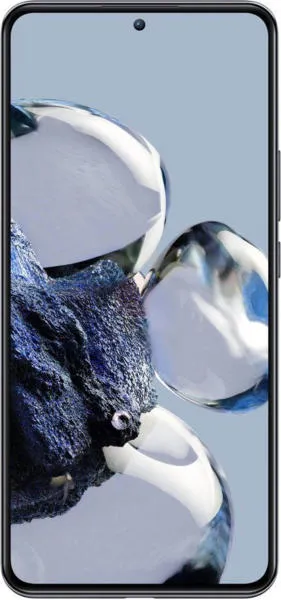
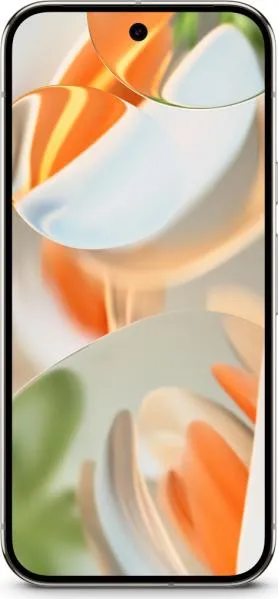
Xiaomi 12T Pro vs. Google Pixel 9 Pro: A Deep Dive
Let's dissect the Xiaomi 12T Pro and Google Pixel 9 Pro, two powerful smartphones vying for your attention. We'll go beyond the spec sheets to uncover what these numbers really mean for your daily life.
1. Specifications Breakdown
| Feature | Xiaomi 12T Pro | Google Pixel 9 Pro | Real-World Implications |
|---|---|---|---|
| Design | |||
| Dimensions (mm) | 163.1 x 75.9 x 8.6 | 152.8 x 72 x 8.5 | Pixel 9 Pro is slightly smaller and more pocketable. |
| Weight (g) | 205 | 199 | Negligible difference in hand feel. |
| Display | |||
| Size (inches) | 6.67 | 6.3 | 12T Pro offers a larger screen for media consumption; Pixel 9 Pro is more one-hand friendly. |
| Resolution | 1220 x 2712 | 1280 x 2856 | Pixel 9 Pro boasts a slightly sharper display due to higher pixel density. |
| Refresh Rate (Hz) | 120 | 120 | Both offer smooth scrolling and animations. |
| Panel Type | AMOLED | LTPO OLED | Pixel's LTPO panel allows for dynamic refresh rate adjustment, potentially saving battery. |
| Peak Brightness | 900 nits (typical), 1200 nits (peak) | 3000 nits (peak) | Pixel 9 Pro offers significantly higher peak brightness for better outdoor visibility. |
| Performance | |||
| Chipset | Snapdragon 8+ Gen 1 | Google Tensor G4 | Both are flagship-level chipsets, but Tensor G4 is newer and potentially more AI-focused. |
| RAM (GB) | 8/12 | 16 | Pixel 9 Pro has significantly more RAM for smoother multitasking and future-proofing. |
| Camera | |||
| Main Sensor (MP) | 200 | 50 | 12T Pro boasts higher resolution; Pixel relies on computational photography. |
| Video | 8K@24fps | 8K@30fps | Pixel 9 Pro offers slightly smoother 8K video recording. |
| Battery | |||
| Capacity (mAh) | 5000 | 4700 | 12T Pro has a slightly larger battery capacity. |
2. Key Insights
- Performance: While both phones offer top-tier performance, the Pixel 9 Pro's Tensor G4, combined with a whopping 16GB of RAM, likely edges out the 12T Pro in demanding tasks and longevity. Tensor G4's AI capabilities might also offer unique features and performance benefits in specific applications.
- Display: The Pixel 9 Pro's LTPO OLED display with a higher peak brightness is a clear winner. Its dynamic refresh rate can conserve battery, while the exceptional brightness ensures clear visibility even in direct sunlight. The 12T Pro's AMOLED is no slouch, but it doesn't quite reach the same level.
- Camera: This is a classic megapixel versus computational photography showdown. The 12T Pro's 200MP sensor offers incredible detail, but the Pixel 9 Pro's Google-engineered image processing historically excels in producing stunning images, especially in challenging lighting conditions. Real-world testing would be crucial to determine a clear winner.
- Battery Life: While the 12T Pro has a larger battery, the Pixel 9 Pro's LTPO display could help offset this difference. Actual battery life depends heavily on usage patterns.
3. User Profiles and Recommendations
- Xiaomi 12T Pro: Best suited for users prioritizing a large, vibrant display for media consumption, gaming, and those seeking a high-resolution camera sensor for detailed shots. It's also a strong contender for budget-conscious users who want flagship-level performance without the premium price tag.
- Google Pixel 9 Pro: Ideal for users who value a polished software experience, cutting-edge AI features, exceptional camera performance in diverse conditions, and a display with superior brightness and battery efficiency.
4. Buying Decision Framework
- What's your budget? The Pixel 9 Pro falls into a higher price bracket.
- What are your photography priorities? Ultra-high resolution or Google's computational magic?
- How important is software and AI to you? The Pixel offers a pure Android experience with Google's AI advancements.
My Choice: Google Pixel 9 Pro
While the Xiaomi 12T Pro offers impressive hardware, especially for its price, I'd choose the Google Pixel 9 Pro. The combination of the Tensor G4 processor, ample RAM, superior display technology, and Google's renowned camera prowess is compelling. The promise of a longer software support lifespan and a cleaner Android experience further solidifies my decision. While the higher price is a factor, I prioritize the holistic user experience, future-proofing, and consistent camera performance that the Pixel 9 Pro offers. For me, those factors outweigh the price difference and the 12T Pro's higher resolution camera sensor.
