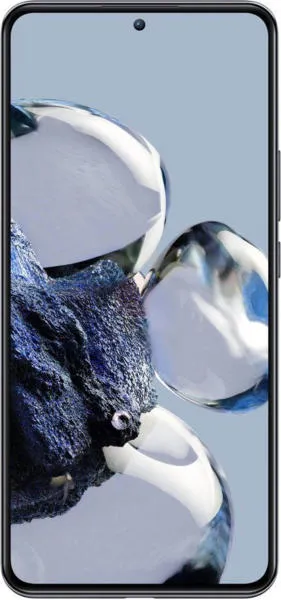
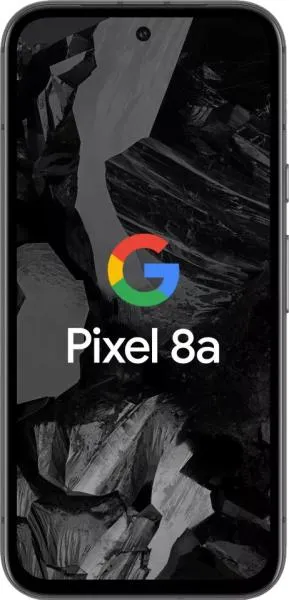
Xiaomi 12T Pro vs. Google Pixel 8a: A Deep Dive for the Discerning Smartphone User
Hello, fellow tech explorers! Today, we're dissecting two compelling contenders in the mid-range smartphone arena: the Xiaomi 12T Pro and the Google Pixel 8a. Both promise a premium experience without the premium price tag, but which one truly delivers? Let's dive into the nitty-gritty details and uncover the real-world implications for you, the user.
1. Specifications Breakdown
| Feature | Xiaomi 12T Pro | Google Pixel 8a | Real-World Implications |
|---|---|---|---|
| Design | |||
| Dimensions (mm) | 163.1 x 75.9 x 8.6 | 152.1 x 72.7 x 8.9 | Pixel 8a is noticeably smaller and lighter, making it more pocketable and comfortable for one-handed use. |
| Weight (g) | 205 | 188 | Lighter weight enhances portability and reduces hand fatigue. |
| Display | |||
| Display Type | 6.67" AMOLED, 120Hz | 6.1" OLED, 120Hz | Xiaomi offers a larger, more immersive display; Pixel 8a prioritizes one-handed usability. |
| Resolution | 1220 x 2712 | 1080 x 2400 | Xiaomi boasts sharper visuals due to higher resolution. |
| Peak Brightness (nits) | 900 (typical), 1200 (peak) | 2000 (peak) | Pixel 8a's superior peak brightness ensures excellent outdoor visibility. |
| Performance | |||
| Chipset | Snapdragon 8+ Gen 1 (4nm) | Google Tensor G3 (4nm) | Both offer flagship-level performance, though specific tasks may favor one over the other due to architectural differences. |
| CPU | Octa-core (1x3.19 GHz X2 + ...) | Octa-core (1x3.0 GHz X3 + ...) | Both CPUs are powerful; benchmark comparisons would be needed to determine granular performance differences. |
| GPU | Adreno 730 | Immortalis-G715s MC10 | Gaming performance likely favors the Adreno 730, known for its strong gaming capabilities. |
| RAM | 8/12GB | 8GB | Both offer ample RAM for multitasking; 12GB option on Xiaomi provides additional headroom for demanding applications. |
| Camera | |||
| Main Camera | 200MP, f/1.69 | 64MP, f/1.89 | Xiaomi's higher megapixel count suggests greater detail capture potential, but real-world image quality depends on processing. |
| Ultrawide | 8MP, f/2.2 | 13MP, f/2.2, Macro | Pixel's ultrawide likely offers better image quality and added macro functionality. |
| DXOMARK Score | 129 | 136 | Pixel 8a edges out in overall camera quality as per DXOMARK, but personal preference plays a crucial role. |
| Battery Life | |||
| Battery Capacity | 5000 mAh | 4492 mAh | Xiaomi offers a larger battery, potentially translating to longer usage time. |
2. Key Insights
- Performance Powerhouse: Both phones pack a punch with powerful processors, ensuring smooth multitasking and demanding app usage.
- Display Dilemma: Xiaomi's larger, sharper display excels for media consumption, while the Pixel 8a's brighter OLED panel shines outdoors.
- Camera Quandary: Xiaomi boasts a massive 200MP sensor, but the Pixel 8a leverages Google's computational photography prowess for potentially superior overall image quality.
- Endurance Race: Xiaomi's larger battery promises longer life, but real-world usage patterns will ultimately determine battery performance.
3. User Profiles and Recommendations
- Xiaomi 12T Pro: Ideal for power users, gamers, and media enthusiasts who prioritize a large, vibrant display and long battery life.
- Google Pixel 8a: Best suited for users seeking a compact, premium-feeling device with a stellar camera and clean Android experience, prioritizing software over raw specs.
4. Buying Decision Framework
- What's your priority: screen size or portability? Large screen lovers lean towards Xiaomi; those seeking a pocketable device choose Pixel.
- How important is camera quality? Pixel's computational photography excels in various scenarios, while Xiaomi offers higher resolution for detailed shots.
- What's your budget and desired software experience? Consider pricing and whether you prefer Xiaomi's MIUI or Google's stock Android.
My Choice: The Google Pixel 8a
While the Xiaomi 12T Pro offers compelling hardware, especially that tempting 200MP camera and large battery, I'd opt for the Google Pixel 8a. Its more refined design, coupled with Google's software magic (especially in the camera department) and the promise of longer OS updates, aligns better with my priorities. The compact form factor is a bonus for everyday carry. Ultimately, the Pixel 8a offers a more well-rounded and future-proof experience for my needs.
