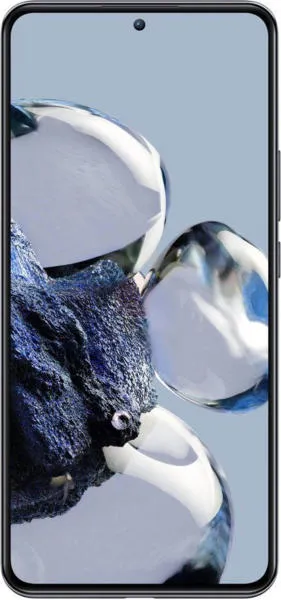
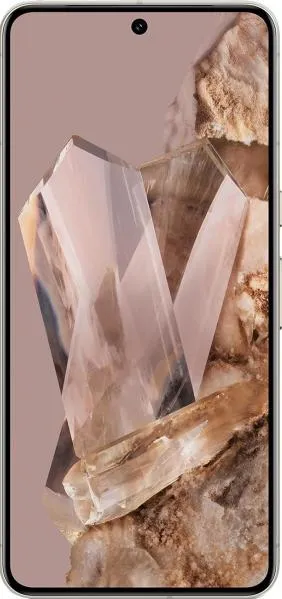
Xiaomi 12T Pro vs. Google Pixel 8 Pro: A Deep Dive
Hello fellow tech enthusiasts! Today, we're dissecting two compelling smartphones: the Xiaomi 12T Pro and the Google Pixel 8 Pro. Let's move beyond the marketing hype and delve into the engineering nuts and bolts to see how these devices stack up in the real world.
1. Specifications Breakdown
| Feature | Xiaomi 12T Pro | Google Pixel 8 Pro | Real-World Implications | |||||
|---|---|---|---|---|---|---|---|---|
| Design | ||||||||
| Dimensions (mm) | 163.1 x 75.9 x 8.6 | 162.6 x 76.5 x 8.8 | Pixel 8 Pro slightly wider, thicker | Weight (g) | 205 | 213 | Negligible difference in hand feel | |
| Display | ||||||||
| Size (inches) | 6.67 | 6.7 | Virtually identical | |||||
| Resolution | 1220 x 2712 | 1344 x 2992 | Pixel 8 Pro sharper, more detailed | |||||
| Type | AMOLED | LTPO OLED | Pixel's LTPO allows for dynamic refresh rate, saving battery | |||||
| Refresh Rate (Hz) | 120 | 120 | Smooth scrolling and animations on both | |||||
| Peak Brightness | 900 nits (typical), 1200 nits (peak) | 2400 nits (peak) | Pixel 8 Pro significantly brighter outdoors | |||||
| Performance | ||||||||
| Chipset | Snapdragon 8+ Gen 1 | Google Tensor G3 | Tensor G3 designed for AI and machine learning tasks | |||||
| CPU | Octa-core (1x3.19 GHz X2 & 3x2.75 GHz A710 & 4x2.0 GHz A510) | Nona-core (1x3.0 GHz X3 & 4x2.45 GHz A715 & 4x2.15 GHz A510) | Both powerful, but different architectural approaches; real-world performance needs testing | |||||
| RAM | 8GB/12GB | 12GB | Pixel 8 Pro has more RAM for multitasking | |||||
| Camera | ||||||||
| Main Sensor (MP) | 200 | 50 | Xiaomi emphasizes high resolution; Pixel focuses on computational photography | |||||
| Ultrawide (MP) | 8 | 48 | Pixel's ultrawide offers higher resolution and macro capability | |||||
| Telephoto (MP) | - | 48 | Pixel 8 Pro has a dedicated telephoto lens | |||||
| Battery Life | ||||||||
| Capacity (mAh) | 5000 | 5050 | Negligible difference in capacity | |||||
| OS | Android 12 (up to 14) | Android 14 (up to 21) | Pixel will receive longer software updates |
2. Key Insights
The Xiaomi 12T Pro boasts impressive hardware, especially its 200MP main camera sensor. However, megapixels don't tell the whole story. The Pixel 8 Pro, with its Tensor G3 chip, leans heavily on Google's computational photography prowess, promising superior image quality despite a lower resolution sensor. The Tensor G3 also unlocks unique AI-powered features.
The Pixel 8 Pro's LTPO display offers better power efficiency thanks to its dynamic refresh rate. Its significantly higher peak brightness makes it far more usable in direct sunlight. While both phones offer a smooth 120Hz experience, the Pixel's display technology provides a tangible advantage in battery life and outdoor visibility. Furthermore, Google guarantees significantly longer OS and security updates.
3. User Profiles and Recommendations
Xiaomi 12T Pro: For users seeking top-tier hardware at a competitive price, the 12T Pro is a strong contender. Its high-resolution camera appeals to those who enjoy zooming into images and cropping frequently.
Google Pixel 8 Pro: Ideal for users prioritizing camera quality, AI features, a vibrant and bright display, and long-term software support. The Pixel excels in various photography scenarios, thanks to Google's advanced image processing algorithms.
4. Buying Decision Framework
- What matters most? Raw hardware specs, or a refined user experience driven by software and AI?
- How important is camera quality? If it's paramount, the Pixel 8 Pro likely has the edge.
- How long do you plan to keep your phone? The Pixel's extended software support is a major consideration for long-term use.
My Choice: Google Pixel 8 Pro
While the Xiaomi 12T Pro presents compelling hardware, I'd choose the Google Pixel 8 Pro. The combination of Google's computational photography, the superior LTPO display, guaranteed long-term software updates, and the AI-powered features of the Tensor G3 chip create a more compelling overall package for my needs. I value a seamlessly integrated and intelligent user experience over sheer megapixel count, and the Pixel 8 Pro delivers precisely that. The longer software support also provides peace of mind and ensures a longer device lifespan.
