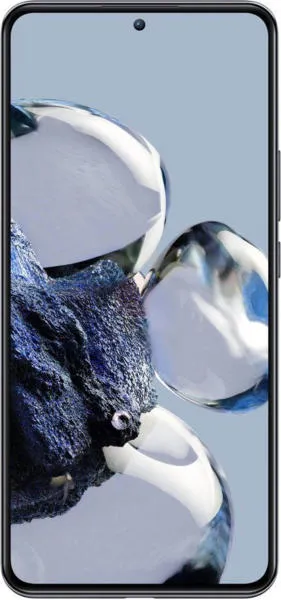
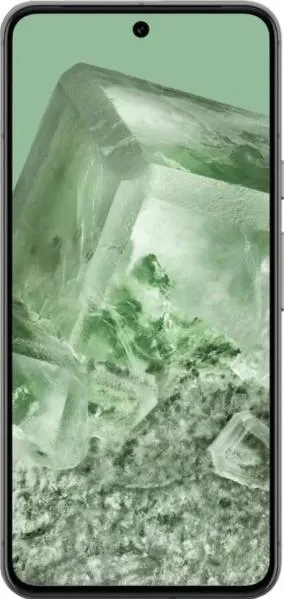
Xiaomi 12T Pro vs. Google Pixel 8: A Deep Dive for the Discerning Smartphone User
Hello fellow tech explorers! Alex Griffin here, ready to dissect the Xiaomi 12T Pro and the Google Pixel 8. We'll go beyond the spec sheet and uncover what these numbers really mean for your daily life. Let's get started!
1. Specifications Breakdown
| Feature | Xiaomi 12T Pro | Google Pixel 8 | Real-World Implications |
|---|---|---|---|
| Design | |||
| Dimensions (mm) | 163.1 x 75.9 x 8.6 | 150.5 x 70.8 x 8.9 | Pixel 8 is noticeably smaller and lighter, making it more pocketable and comfortable for one-handed use. |
| Weight (g) | 205 | 187 | Pixel 8's lighter weight reduces hand fatigue during extended use. |
| Display | |||
| Size (inches) | 6.67 | 6.2 | 12T Pro offers a larger screen for immersive media consumption; Pixel 8 provides a more compact form factor. |
| Resolution (px) | 1220 x 2712 | 1080 x 2400 | 12T Pro boasts sharper visuals due to higher resolution; Pixel 8's resolution is still respectable for its size. |
| Refresh Rate (Hz) | 120 | 120 | Both phones deliver smooth scrolling and animations, enhancing responsiveness. |
| Peak Brightness | 900 nits (typical), 1200 nits (peak) | 2000 nits (peak) | Pixel 8's significantly higher peak brightness ensures excellent outdoor visibility even in direct sunlight. |
| Performance | |||
| Chipset | Snapdragon 8+ Gen 1 | Google Tensor G3 | Both are powerful chips, but Tensor G3 is newer and focuses on AI and machine learning, potentially offering unique software features. |
| CPU | Octa-core (1x3.19 GHz Cortex-X2 & 3x2.75 GHz Cortex-A710 & 4x2.0 GHz Cortex-A510) | Nona-core (1x3.0 GHz Cortex-X3 & 4x2.45 GHz Cortex-A715 & 4x2.15 GHz Cortex-A510) | Tensor G3 has a newer architecture, but real-world performance differences will depend on optimization. |
| RAM (GB) | 8/12 | 8 | Both offer ample RAM for multitasking; 12GB option on 12T Pro might provide a slight edge for heavy users. |
| Camera | |||
| Main Sensor (MP) | 200 | 50 | 12T Pro boasts a higher megapixel count; Pixel 8 relies on Google's computational photography prowess for image quality. |
| DxOMark Score | 129 | 148 | Pixel 8 scores significantly higher in DxOMark tests, indicating superior overall camera performance. |
| Battery Life | |||
| Capacity (mAh) | 5000 | 4575 | 12T Pro has a slightly larger battery, potentially translating to longer usage time. Real-world battery life depends on usage patterns. |
2. Key Insights
- Performance Powerhouse vs. AI Maestro: The 12T Pro leans towards raw power with the Snapdragon 8+ Gen 1, while the Pixel 8 prioritizes AI and computational photography with the Tensor G3.
- Display Delight: Both offer 120Hz refresh rates, but the Pixel 8's superior peak brightness makes it a clear winner for outdoor use. The 12T Pro's larger display offers more screen real estate.
- Megapixels vs. Magic: The 12T Pro's 200MP camera sensor is impressive on paper, but the Pixel 8's lower resolution sensor coupled with Google's image processing algorithms delivers consistently excellent results as evidenced by the DxOMark scores.
- Size and Substance: The Pixel 8 is significantly smaller and lighter, offering better one-handed usability. The 12T Pro is larger and slightly heavier, but houses a bigger battery.
3. User Profiles and Recommendations
Xiaomi 12T Pro: Ideal for power users, gamers, and media enthusiasts who prioritize a large, sharp display and raw performance. Its massive camera sensor might appeal to photography enthusiasts who enjoy exploring manual controls.
Google Pixel 8: Perfect for users who value a compact, premium phone with an exceptional camera and a clean Android experience. The Tensor G3's AI capabilities will appeal to users who appreciate smart software features.
4. Buying Decision Framework
- What is your priority: raw performance or a polished user experience with AI smarts?
- How important is camera quality to you?
- Do you prefer a large screen for media consumption or a more compact phone for one-handed use?
My Choice: Google Pixel 8
While the Xiaomi 12T Pro offers impressive hardware, I would choose the Google Pixel 8. The Pixel 8 strikes a better balance between performance, camera quality, software experience, and form factor. Google's commitment to software updates and its computational photography prowess are compelling advantages. The Pixel 8's superior camera, compact size, and clean Android experience align better with my personal preferences. Although the 12T Pro boasts a larger battery and higher resolution, the Pixel 8's overall package, especially its camera and cleaner software, makes it a more attractive option for me.
