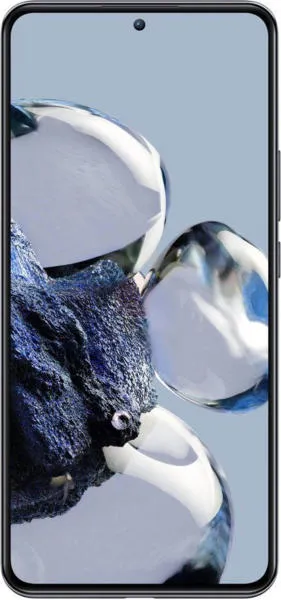
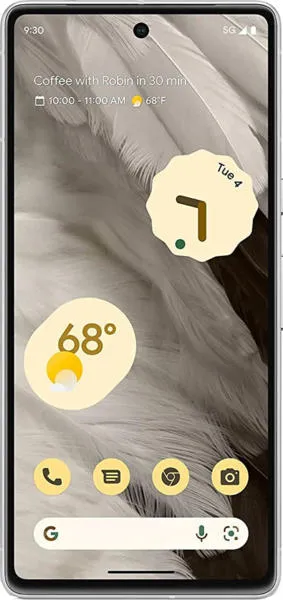
Xiaomi 12T Pro vs. Google Pixel 7: A Deep Dive
Let's dissect the Xiaomi 12T Pro and Google Pixel 7, two compelling contenders in the mid-range smartphone arena. We'll go beyond the spec sheet, translating raw numbers into real-world experiences to help you decide which phone fits your needs.
1. Specifications Breakdown
| Feature | Xiaomi 12T Pro | Google Pixel 7 | Real-World Implications | |||||
|---|---|---|---|---|---|---|---|---|
| Design | ||||||||
| Dimensions (mm) | 163.1 x 75.9 x 8.6 | 155.6 x 73.2 x 8.7 | Pixel 7 is slightly smaller and lighter, potentially more comfortable for one-handed use. | |||||
| Weight (g) | 205 | 197 | Noticeable difference in hand; prolonged use might favor the lighter Pixel. | |||||
| Display | ||||||||
| Size (inches) | 6.67 | 6.3 | 12T Pro offers a larger canvas for media consumption; Pixel 7 is more pocketable. | |||||
| Resolution | 1220 x 2712 | 1080 x 2400 | 12T Pro boasts sharper visuals due to higher pixel density. | |||||
| Refresh Rate (Hz) | 120 | 90 | 12T Pro delivers smoother scrolling and animations. | |||||
| Display Type | AMOLED | AMOLED | Both offer vibrant colors and deep blacks. | |||||
| Peak Brightness | 1200 nits | 1400 nits | Pixel 7 might be slightly more readable in direct sunlight. | Performance | ||||
| Chipset | Snapdragon 8+ Gen 1 | Google Tensor G2 | 8+ Gen 1 generally benchmarks higher in raw power; Tensor G2 excels in AI tasks. | |||||
| CPU | Octa-core | Octa-core | Both offer smooth multitasking; differences mainly appear in demanding applications. | |||||
| GPU | Adreno 730 | Mali-G710 MP7 | Adreno 730 generally offers better gaming performance. | |||||
| RAM | 8GB/12GB | 8GB | 12T Pro offers a 12GB RAM option for even more aggressive multitasking. | |||||
| Camera | ||||||||
| Main Camera (MP) | 200 | 50 | 12T Pro boasts higher megapixel count; Pixel 7 relies on computational photography. | |||||
| DxOMark Score | 129 | 140 | Pixel 7 scores higher overall in image quality according to DxOMark. | |||||
| Battery Life | ||||||||
| Capacity (mAh) | 5000 | 4355 | 12T Pro has a larger battery, potentially leading to longer usage time. |
2. Key Insights
- Performance: The Xiaomi 12T Pro leans towards raw horsepower, making it ideal for demanding tasks and gaming. The Pixel 7, powered by the Tensor G2, prioritizes AI and machine learning, resulting in a smoother, more intelligent user experience, especially noticeable in camera performance and features like voice assistant and live translation.
- Display: While both phones utilize AMOLED technology, the 12T Pro offers a higher resolution and faster refresh rate, translating into a visibly sharper and smoother display. However, the Pixel 7's higher peak brightness might offer a slight advantage in outdoor visibility.
- Camera: Megapixels aren't everything. While the 12T Pro boasts a 200MP sensor, the Pixel 7's 50MP sensor, combined with Google's superior image processing algorithms, delivers consistently impressive photos and videos, as reflected in its higher DxOMark score. The Pixel excels in areas like low-light photography, dynamic range, and portrait mode.
- Battery: The 12T Pro's larger battery likely translates to longer usage on a single charge. However, real-world battery life depends heavily on usage patterns.
3. User Profiles and Recommendations
- Xiaomi 12T Pro: Power users, mobile gamers, and those prioritizing a large, sharp display with a high refresh rate will appreciate the 12T Pro.
- Google Pixel 7: Users prioritizing camera quality, AI-powered features, a clean Android experience, and timely software updates will find the Pixel 7 to be a compelling choice.
4. Buying Decision Framework
- What are your primary smartphone usage patterns? Heavy gaming and media consumption? Or communication, photography, and general productivity?
- Which aspects of a smartphone are most important to you? Raw performance and display quality? Or camera performance, software experience, and AI features?
- What is your budget? While both phones fall in the mid-range, price differences might exist depending on storage configurations and retailer promotions.
Scenario-Based Recommendations:
- Gamer: Xiaomi 12T Pro for its superior gaming performance and larger display.
- Photographer: Google Pixel 7 for its exceptional camera capabilities and AI-powered photo editing features.
- Casual User: Either phone would be a good fit; consider individual preferences for display size, battery life, and software experience.
My Choice: Google Pixel 7
While the Xiaomi 12T Pro offers impressive hardware, I'd choose the Google Pixel 7. The Pixel's camera consistently delivers outstanding results, and Google's commitment to software updates and AI-driven features aligns with my priorities. The cleaner Android experience, smoother performance thanks to the Tensor G2, and compact form factor also appeal to me. Though the 12T Pro has a higher resolution display and larger battery, the Pixel 7's overall user experience, particularly in areas I value most – camera, software, and AI – makes it the winner for me.
