Xiaomi 12T Pro vs. Asus Zenfone 10: A Deep Dive for the Discerning Smartphone User
Hello fellow tech enthusiasts! Today, we're dissecting two compelling contenders in the mid-range smartphone arena: the Xiaomi 12T Pro and the Asus Zenfone 10. Both pack a punch, but catering to different needs and priorities. Let's dive into the specifics and uncover which phone reigns supreme for you.
1. Specifications Breakdown
| Feature | Xiaomi 12T Pro | Asus Zenfone 10 | Real-World Implications |
|---|---|---|---|
| Design | |||
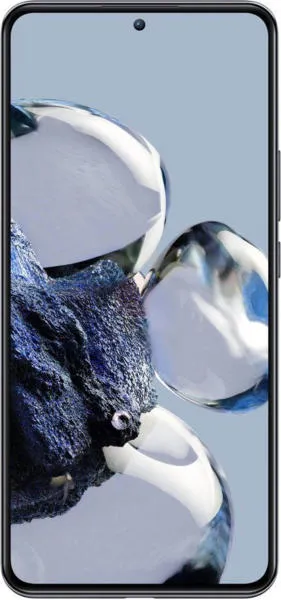
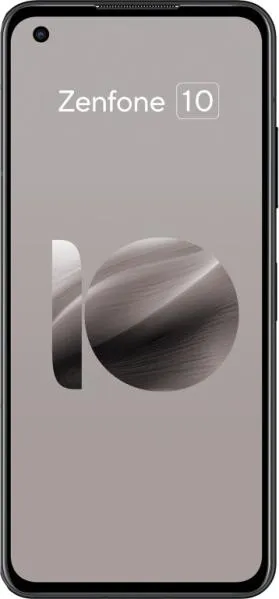
| Dimensions (mm) | 163.1 x 75.9 x 8.6 | 146.5 x 68.1 x 9.4 | Zenfone 10 significantly smaller and lighter, ideal for one-handed use. 12T Pro larger, more immersive media. |
| Weight (g) | 205 | 172 | Noticeable difference in hand; Zenfone 10 more pocketable. |
| Display | |||
| Size (inches) | 6.67 | 5.92 | 12T Pro: Larger screen for media consumption; Zenfone 10: Compact, easier to handle. |
| Resolution | 1220 x 2712 | 1080 x 2400 | Both sharp, but 12T Pro slightly higher pixel density. |
| Refresh Rate (Hz) | 120 | 144 | Zenfone 10 smoother animations and scrolling; noticeable in gaming and fast-paced UI interactions. |
| Performance | |||
| Chipset | Snapdragon 8+ Gen 1 | Snapdragon 8 Gen 2 | Zenfone 10 newer, potentially faster and more efficient chip. |
| CPU | Octa-core | Octa-core | Both powerful, capable of handling demanding tasks. Benchmarking needed for real-world performance comparison. |
| RAM (GB) | 8/12 | 8/16 | Zenfone 10 offers a 16GB RAM option for extreme multitasking. |
| Camera | |||
| Main Sensor (MP) | 200 | 50 | 12T Pro boasts higher resolution, Zenfone 10 utilizes a larger sensor (Sony IMX766), potentially better low-light. |
| Gimbal Stabilization | No | Yes (6-axis) | Zenfone 10 dramatically smoother video recording. |
| Battery Life | |||
| Capacity (mAh) | 5000 | 4300 | 12T Pro larger battery capacity suggests longer endurance. Real-world usage will vary. |
2. Key Insights
The Xiaomi 12T Pro flexes its muscles with a stunning 200MP camera and a massive battery. However, it's a larger, heavier device. The sheer resolution of the camera is a marketing highlight, but real-world image quality depends heavily on processing and sensor size - something the Zenfone 10 addresses with its Sony IMX766 sensor.
The Asus Zenfone 10, on the other hand, prioritizes portability and cutting-edge performance with its compact form factor, newer Snapdragon 8 Gen 2 chip, and incredibly smooth 144Hz display. The inclusion of a 6-axis gimbal stabilization system signifies a commitment to serious video creation. It trades off battery capacity and headline camera megapixels for a more refined, agile experience.
3. User Profiles and Recommendations
Xiaomi 12T Pro: Ideal for users who prioritize a large screen for media consumption, long battery life, and a high-resolution camera (on paper). Best suited for those who don't mind a larger phone.
Asus Zenfone 10: Perfect for users who value a compact, powerful phone with a buttery smooth display and exceptional video stabilization. Great for one-handed use, mobile gaming, and content creators on the go.
4. Buying Decision Framework
- Do you prioritize one-handed usability and portability? If yes, the Zenfone 10 is the clear winner.
- Is a long battery life essential for your daily usage? The 12T Pro's larger battery likely offers better endurance.
- Are you a heavy gamer or value extremely smooth scrolling? Zenfone 10's 144Hz display will be a significant advantage.
My Choice: Asus Zenfone 10
While the 200MP camera of the 12T Pro is intriguing, I lean towards the Asus Zenfone 10. Its compact size, coupled with the latest Snapdragon chip, blazing fast refresh rate display, and superior video stabilization makes it a compelling package. The emphasis on real-world performance over sheer spec sheet numbers resonates with my approach to tech. As someone constantly on the move, creating content, and demanding top-tier performance in a pocketable device, the Zenfone 10 aligns perfectly with my needs. I appreciate the thoughtful engineering decisions that prioritize user experience over marketing gimmicks. The slightly smaller battery is a trade-off I'm willing to make for the overall superior experience.
