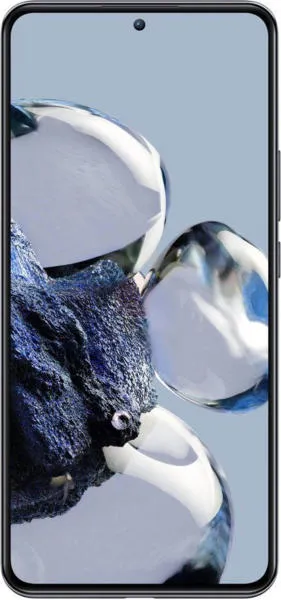
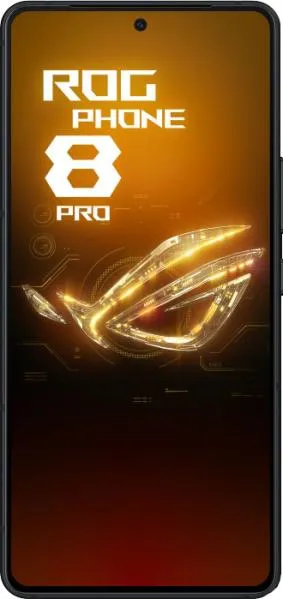
Xiaomi 12T Pro vs. Asus ROG Phone 8 Pro: A Deep Dive
Let's dissect these two powerful smartphones, the Xiaomi 12T Pro and the Asus ROG Phone 8 Pro, to see what they offer and who they're best for. We'll go beyond the spec sheet to understand how these numbers translate to real-world experiences.
1. Specifications Breakdown
| Feature | Xiaomi 12T Pro | Asus ROG Phone 8 Pro | Real-World Implications |
|---|---|---|---|
| Design | |||
| Dimensions (mm) | 163.1 x 75.9 x 8.6 | 163.8 x 76.8 x 8.9 | ROG Phone 8 Pro is slightly larger and thicker. |
| Weight (g) | 205 | 225 | Noticeable difference in hand; ROG Phone 8 Pro might feel bulkier. |
| Display | |||
| Size (inches) | 6.67 | 6.78 | ROG Phone 8 Pro offers a marginally larger screen. |
| Resolution | 1220 x 2712 | 1080 x 2400 | Xiaomi boasts sharper visuals due to higher pixel density. |
| Refresh Rate (Hz) | 120 | 165 | ROG Phone 8 Pro delivers incredibly smooth scrolling and animations, especially noticeable in gaming. |
| Display Type | AMOLED | LTPO AMOLED | Both offer vibrant colors and deep blacks. LTPO on ROG Phone allows for dynamic refresh rate adjustment, saving battery. |
| Peak Brightness | 1200 nits | 2500 nits | ROG Phone 8 Pro's display is significantly brighter, ensuring excellent outdoor visibility. |
| Performance | |||
| Chipset | Snapdragon 8+ Gen 1 | Snapdragon 8 Gen 3 | ROG Phone 8 Pro features a newer, more powerful processor, resulting in faster performance and improved efficiency. |
| CPU | Octa-core (1x3.19 GHz Cortex-X2 & 3x2.75 GHz Cortex-A710 & 4x2.0 GHz Cortex-A510) | Octa-core (1x3.3 GHz Cortex-X4 & 3x3.2 GHz Cortex-A720 & 2x3.0 GHz Cortex-A720 & 2x2.3 GHz Cortex-A520) | ROG Phone 8 Pro's superior CPU architecture and clock speeds provide a significant performance advantage for demanding tasks. |
| GPU | Adreno 730 | Adreno 750 | ROG Phone 8 Pro's GPU delivers better gaming and graphics performance. |
| RAM | 8/12GB | 16/24GB | ROG Phone 8 Pro offers significantly more RAM, enabling smoother multitasking and handling of demanding applications and games. |
| Camera | |||
| Main Camera | 200MP | 50MP | Xiaomi boasts higher resolution, but real-world image quality depends on sensor size, processing, and other factors. |
| Video | 8K@24fps | 8K@24fps | Both can record high-resolution video. ROG Phone 8 Pro features more advanced stabilization (EIS). |
| Battery Life | |||
| Capacity (mAh) | 5000 | 5500 | ROG Phone 8 Pro has a larger battery, potentially offering longer usage time. |
2. Key Insights
Performance Powerhouse: The ROG Phone 8 Pro is undeniably the performance champion. Its newer Snapdragon 8 Gen 3 chip, coupled with a substantial RAM advantage, makes it ideal for demanding tasks, gaming, and heavy multitasking. The 165Hz refresh rate display further enhances the gaming experience.
Xiaomi's Value Proposition: The 12T Pro holds its own with a stunningly sharp display and a high-resolution main camera. While its processor is a generation older, it's still capable of handling most tasks with ease. The 12T Pro likely comes at a more affordable price point, making it a strong value contender.
Gaming vs. Everyday Use: The ROG Phone 8 Pro is explicitly designed for gaming, with features like advanced cooling, shoulder triggers, and a high refresh rate display catering to enthusiasts. The Xiaomi 12T Pro offers a more balanced experience for everyday users who prioritize a sharp display and capable performance.
3. User Profiles and Recommendations
ROG Phone 8 Pro: Ideal for mobile gamers, power users, and tech enthusiasts who demand top-tier performance and cutting-edge features. The price premium is justified by the significant hardware advantages.
Xiaomi 12T Pro: Suits users who prioritize a sharp display, excellent camera capabilities, and all-around solid performance without the gaming-centric features or the higher price tag of the ROG Phone.
4. Buying Decision Framework
What's your primary use case? Heavy gaming and demanding tasks? ROG Phone 8 Pro. Everyday use, media consumption, and photography? Xiaomi 12T Pro.
What's your budget? The ROG Phone 8 Pro commands a higher price. Is the premium performance worth the investment?
How important is battery life? While both phones have large batteries, the ROG Phone 8 Pro's larger capacity and LTPO display could provide an edge in longevity.
My Choice: Asus ROG Phone 8 Pro
While the Xiaomi 12T Pro offers excellent value, I would choose the Asus ROG Phone 8 Pro. As a tech journalist who constantly tests new apps and pushes devices to their limits, the raw power and cutting-edge technology of the ROG Phone 8 Pro are incredibly appealing. The future-proof specifications, coupled with the incredibly smooth 165Hz display and enhanced gaming features, would significantly enhance my workflow and allow me to thoroughly evaluate the latest mobile advancements. I appreciate having headroom in performance and the ability to seamlessly run demanding applications. While the price is higher, the long-term benefits of owning a device with this level of performance outweigh the initial cost for my specific needs.
