
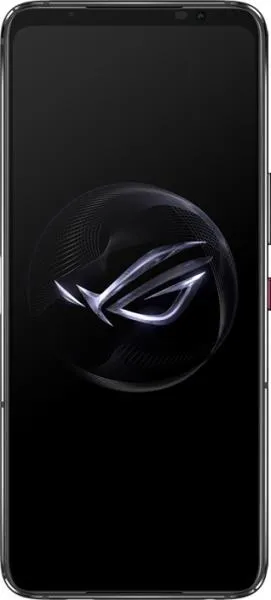
Xiaomi 12T Pro vs. Asus ROG Phone 7: A Deep Dive for the Discerning User
The smartphone landscape is a battlefield, and two contenders vying for your attention are the Xiaomi 12T Pro and the Asus ROG Phone 7. Both pack impressive specs, but understanding their nuances is crucial. Let's dissect these devices, translating engineering jargon into practical insights to empower your buying decision.
1. Specifications Breakdown
| Feature | Xiaomi 12T Pro | Asus ROG Phone 7 | Real-World Implications |
|---|---|---|---|
| Design | |||
| Dimensions (mm) | 163.1 x 75.9 x 8.6 | 173 x 77 x 10.3 | ROG Phone 7 is larger and noticeably heavier. |
| Weight (g) | 205 | 239 | Impacts one-handed use and pocket comfort. |
| Display | |||
| Size (inches) | 6.67 | 6.78 | Negligible difference in screen real estate. |
| Resolution (px) | 1220 x 2712 | 1080 x 2448 | Xiaomi boasts sharper visuals due to higher pixel density. |
| Refresh Rate (Hz) | 120 | 165 | ROG Phone 7 offers smoother scrolling and gaming. |
| Display Type | AMOLED | AMOLED | Both deliver vibrant colors and deep blacks. |
| Performance | |||
| Chipset | Snapdragon 8+ Gen 1 | Snapdragon 8 Gen 2 | ROG Phone 7 has a newer, slightly more powerful processor. |
| CPU | Octa-core | Octa-core | Both offer top-tier performance for demanding tasks. |
| RAM (GB) | 8/12 | 12/16 | ROG Phone 7 offers configurations with more RAM. |
| Camera | |||
| Main Camera (MP) | 200 | 50 | Xiaomi emphasizes megapixels, ROG Phone 7 likely prioritizes sensor quality and processing. |
| Video | 8K@24fps | 8K@24fps | Both capable of high-resolution video recording. |
| Battery Life | |||
| Capacity (mAh) | 5000 | 6000 | ROG Phone 7 likely offers longer battery life. |
2. Key Insights
The Xiaomi 12T Pro excels in display sharpness and boasts a higher resolution main camera sensor. However, its older processor and smaller battery are notable drawbacks. The Asus ROG Phone 7 shines with its cutting-edge Snapdragon 8 Gen 2 chip, higher refresh rate display for smoother visuals, and a larger battery for extended use. The ROG Phone 7's design clearly caters to gamers with its larger size and additional features like the side-mounted USB-C port for comfortable charging while gaming. Xiaomi focuses on a more mainstream appeal with a sleek design and emphasis on camera specifications.
3. User Profiles and Recommendations
- Xiaomi 12T Pro: Suited for users prioritizing a sharp display, high-resolution photography, and a more compact design. Content consumers and photography enthusiasts will appreciate its strengths. Its medium price range makes it a potentially strong value proposition.
- Asus ROG Phone 7: Ideal for mobile gamers seeking top-tier performance, a super smooth display, and long battery life. The dedicated gaming features and accessories make it a powerhouse for serious mobile gaming. Its higher price point reflects its specialized focus.
4. Buying Decision Framework
- What is your primary use case? Gaming, content consumption, photography, or general use?
- What is your budget? The ROG Phone 7 commands a premium price.
- How important is portability? The ROG Phone 7's size and weight might be a deterrent for some.
Scenario-Based Recommendations:
- Casual User: Xiaomi 12T Pro offers a balanced experience at a more accessible price.
- Hardcore Gamer: Asus ROG Phone 7 is the clear winner with its performance and gaming-centric features.
- Photographer: More investigation is needed into the actual camera performance beyond megapixel count, but initially the Xiaomi 12T Pro seems promising.
My Choice: Asus ROG Phone 7
While the Xiaomi 12T Pro offers a compelling package, I would choose the Asus ROG Phone 7. As a tech journalist, I value being at the forefront of mobile technology. The newer Snapdragon 8 Gen 2 chip, coupled with the incredibly smooth 165Hz display and larger battery, provide a tangible performance and user experience advantage. Though I'm not a hardcore mobile gamer, I appreciate future-proofing my device. The significant jump in processing power, RAM options, and the sheer engineering focused on maximizing performance make the ROG Phone 7 a more compelling device for my needs. While the price premium is a factor, the long-term value proposition of the ROG Phone 7, with its superior performance and longevity, outweighs the initial cost.
