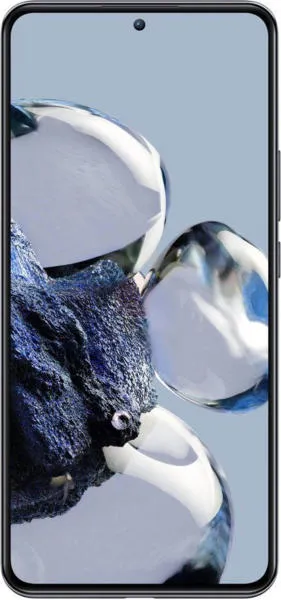
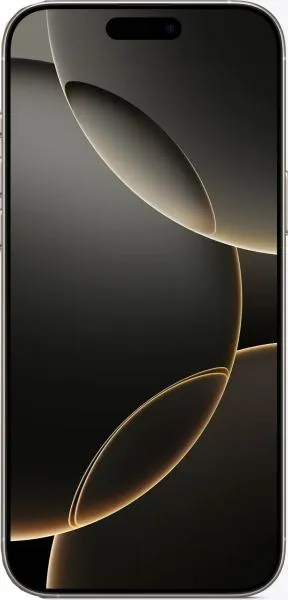
Let's dive into a comparative analysis of the Xiaomi 12T Pro and the Apple iPhone 16 Pro Max, dissecting their technical specifications and translating them into real-world user experiences.
1. Specifications Breakdown
| Feature | Xiaomi 12T Pro | Apple iPhone 16 Pro Max | Real-World Implications |
|---|---|---|---|
| Design | |||
| Dimensions (mm) | 163.1 x 75.9 x 8.6 | 163 x 77.6 x 8.3 | iPhone 16 Pro Max slightly wider, thinner. Negligible difference in hand feel. |
| Weight (g) | 205 | 227 | Xiaomi noticeably lighter, potentially more comfortable for extended use. |
| Build Materials | Glass, Aluminum | Glass, Stainless Steel | iPhone potentially more durable due to stainless steel frame. |
| Display | |||
| Size (inches) | 6.67 | 6.9 | iPhone offers a larger screen for more immersive content consumption. |
| Resolution (px) | 1220 x 2712 | 1320 x 2868 | Both offer sharp displays; iPhone slightly higher pixel density but practically indistinguishable. |
| Type | AMOLED | LTPO Super Retina XDR OLED | iPhone's LTPO panel enables dynamic refresh rate adjustment for power saving. |
| Refresh Rate (Hz) | 120 | 120 | Both offer smooth scrolling and animations. |
| Peak Brightness | 900 nits (typical) | 2000 nits (HBM) | iPhone significantly brighter outdoors. |
| Performance | |||
| Chipset | Snapdragon 8+ Gen 1 | Apple A18 Pro | A18 Pro expected to outperform Snapdragon in benchmarks and potentially real-world tasks. |
| CPU | Octa-core | Hexa-core | Core configuration less crucial than overall chip architecture and optimization. |
| GPU | Adreno 730 | Apple GPU (6-core) | Apple GPUs typically excel in graphics performance. |
| RAM (GB) | 8/12 | 8 | Xiaomi offers a 12GB RAM option for potentially better multitasking, though iOS often manages RAM efficiently. |
| Camera | |||
| Main Sensor (MP) | 200 | 48 | Megapixels don't tell the whole story; image processing crucial. iPhone utilizes larger sensor, binning to 12MP |
| Video | 8K@24fps | 4K@120fps | Both capable of high-quality video; iPhone's 4K@120fps offers smoother slow-motion. |
| DXOMARK Score | 129 | 157 | iPhone 16 Pro Max scores significantly higher in DXOMARK indicating superior image and video quality. |
| Battery Life | |||
| Capacity (mAh) | 5000 | 4685 | Xiaomi has a larger battery, but real-world battery life depends on optimization. |
| Charging | 120W Wired | Proprietary Fast Charging | Xiaomi offers significantly faster wired charging. |
2. Key Insights
- Performance: The iPhone 16 Pro Max, with its newer A18 Pro chip, is likely to deliver superior performance, particularly in graphics-intensive tasks and gaming. The Xiaomi's Snapdragon 8+ Gen 1 is no slouch, but Apple's silicon typically holds an edge.
- Display: While both phones have excellent displays, the iPhone's LTPO panel allows for a dynamic refresh rate, conserving battery. Its higher peak brightness ensures better visibility outdoors.
- Camera: While the Xiaomi boasts a 200MP sensor, the iPhone's advanced image processing and larger sensor likely results in better overall image quality as evidenced by the significantly higher DXOMARK score. The iPhone also offers superior video capabilities with 4K recording at 120fps.
- Battery Life: This is a tough call. Xiaomi has a larger battery, but Apple's tight hardware-software integration often results in impressive battery efficiency. Real-world usage will determine the winner.
- Charging: Xiaomi's 120W wired charging is a clear advantage for users who prioritize fast top-ups.
3. User Profiles and Recommendations
- Xiaomi 12T Pro: Best suited for users seeking a powerful Android device with a great display, incredibly fast charging, and a compelling price-to-performance ratio. Ideal for power users, gamers on a budget, and those who prioritize fast charging.
- Apple iPhone 16 Pro Max: Ideal for users deeply embedded in the Apple ecosystem who demand top-tier performance, a best-in-class camera system, an exceptional display, and seamless software integration. Perfect for creative professionals, photography enthusiasts, and those who value a premium user experience.
4. Buying Decision Framework
- What is your budget? The iPhone 16 Pro Max is significantly more expensive.
- Which operating system do you prefer? Android offers more customization; iOS is known for its simplicity and user-friendliness.
- What are your priorities? Prioritize the Xiaomi for fast charging and value, the iPhone for overall performance, camera quality, and ecosystem integration.
My Choice
If I were choosing between these two, I would opt for the iPhone 16 Pro Max. While the Xiaomi 12T Pro offers incredible value and impressive specs, the iPhone's superior camera system, predicted performance gains from the A18 Pro chip, and the seamless integration within the Apple ecosystem (which I personally use) are compelling. The brighter display with LTPO technology is also a significant advantage for my usage. Although the price premium is substantial, the overall user experience and longevity of the iPhone would likely be worth the investment for me. The faster charging of the Xiaomi is tempting, however, I prioritize the other advantages of the iPhone.
