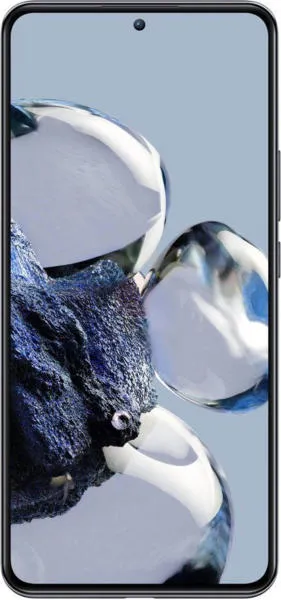
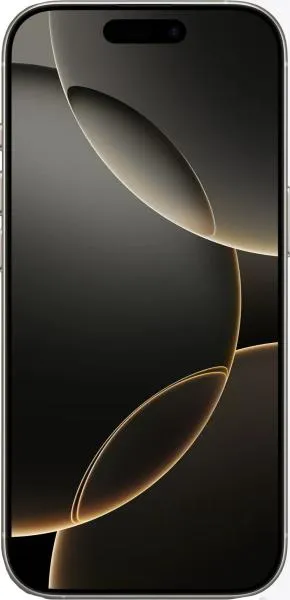
Xiaomi 12T Pro vs. Apple iPhone 16 Pro: A Deep Dive
Let's dissect the Xiaomi 12T Pro and the Apple iPhone 16 Pro, two powerful smartphones catering to different needs and preferences. We'll go beyond the spec sheet to understand what these numbers mean for your daily life.
1. Specifications Breakdown
| Feature | Xiaomi 12T Pro | Apple iPhone 16 Pro | Real-World Implications |
|---|---|---|---|
| Design | |||
| Dimensions (mm) | 163.1 x 75.9 x 8.6 | 149.6 x 71.5 x 8.3 | iPhone 16 Pro is noticeably smaller and lighter, making it more pocketable. |
| Weight (g) | 205 | 199 | Lighter iPhone contributes to better one-handed use and less fatigue. |
| Display | |||
| Size (inches) | 6.67 | 6.3 | Xiaomi offers a larger screen for more immersive media consumption. |
| Resolution (px) | 1220 x 2712 | 1206 x 2622 | Both are sharp, but Xiaomi boasts slightly higher pixel density. |
| Refresh Rate (Hz) | 120 | 120 | Both offer smooth scrolling and animations. iPhone 16 Pro utilizes LTPO for better power efficiency. |
| Display Type | AMOLED | LTPO Super Retina XDR OLED | iPhone's LTPO panel allows for dynamic refresh rate adjustment, conserving battery. |
| Peak Brightness (nits) | 900 (typ), 1200 (peak) | 1000 (typ), 2000 (HBM) | iPhone 16 Pro gets significantly brighter, improving outdoor visibility. |
| Performance | |||
| Chipset | Snapdragon 8+ Gen 1 | A18 Pro | Apple's A18 Pro chip generally outperforms in benchmarks, though real-world differences may be subtle. |
| CPU | Octa-core | Hexa-core | Core configurations differ, but both deliver flagship-level performance. |
| RAM (GB) | 8/12 | 8 | Xiaomi offers a 12GB RAM option for potentially better multitasking. |
| Camera | |||
| Main Camera (MP) | 200 | 48 | Xiaomi boasts higher megapixels, but Apple emphasizes computational photography. |
| Video | 8K@24fps | 4K@120fps | Xiaomi offers higher resolution video recording, while iPhone prioritizes higher frame rates. |
| Battery Life | |||
| Capacity (mAh) | 5000 | 3582 | Xiaomi has a significantly larger battery, potentially lasting longer on a single charge. |
2. Key Insights
- Performance: While benchmarks might favor the iPhone 16 Pro's A18 chip, both phones offer blazing-fast performance for everyday tasks and demanding games. The 12GB RAM option on the Xiaomi could provide a slight edge in multitasking.
- Display: Both displays are excellent. However, the iPhone 16 Pro's LTPO panel dynamically adjusts its refresh rate, leading to significant power savings. Its superior peak brightness also makes it a clear winner in direct sunlight.
- Camera: The megapixel count might tempt you towards the Xiaomi, but Apple's computational photography prowess shouldn't be underestimated. Expect the iPhone to excel in challenging lighting conditions and offer a more refined image processing pipeline. Xiaomi's 8K video recording is a unique feature, but 4K at higher frame rates (as offered by the iPhone) is often more practical.
- Battery: The Xiaomi 12T Pro's larger battery likely translates to longer usage time. However, Apple's optimized iOS and the iPhone 16 Pro's power-efficient display could close the gap.
3. User Profiles and Recommendations
- Xiaomi 12T Pro: Ideal for power users who prioritize a large display, long battery life, and high-resolution video recording. Its lower price point also makes it an attractive option for budget-conscious consumers.
- Apple iPhone 16 Pro: Best suited for users entrenched in the Apple ecosystem who value a premium, compact design, a bright and power-efficient display, and top-notch camera performance. Those prioritizing software updates and seamless integration with other Apple devices will also gravitate towards the iPhone.
4. Buying Decision Framework
- What's your budget? The Xiaomi 12T Pro offers excellent value for its price, while the iPhone 16 Pro commands a premium.
- What's your priority? Long battery life and a large screen? Lean towards Xiaomi. Seamless Apple integration and a polished camera experience? The iPhone is your choice.
- How important is software support? Apple typically provides longer software updates compared to Android manufacturers.
My Choice: Apple iPhone 16 Pro
While the Xiaomi 12T Pro is a compelling device with impressive specs, I would choose the iPhone 16 Pro. The deciding factors for me are the more refined software experience, the longer software update cycle, the brighter and more power-efficient LTPO display, and Apple's consistently excellent camera performance. Although the battery is smaller on paper, Apple's optimization often results in comparable real-world battery life. The compact form factor is also a personal preference. While the price premium is significant, the overall package offered by the iPhone 16 Pro aligns better with my needs and priorities.
