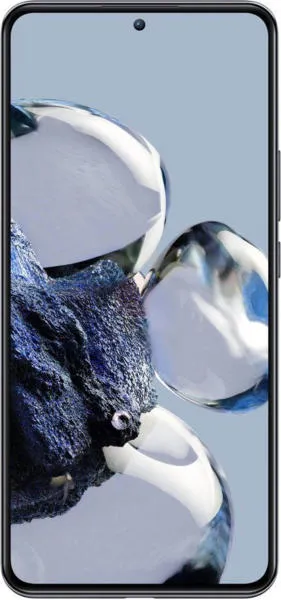
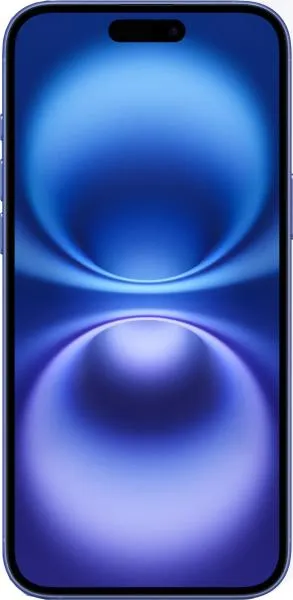
Xiaomi 12T Pro vs. Apple iPhone 16 Plus: A Deep Dive
Let's dissect the Xiaomi 12T Pro and the Apple iPhone 16 Plus, two compelling smartphones vying for your attention. We'll go beyond the spec sheets to uncover what these devices offer in the real world.
1. Specifications Breakdown
| Feature | Xiaomi 12T Pro | Apple iPhone 16 Plus | Real-World Implications |
|---|---|---|---|
| Design | |||
| Dimensions (mm) | 163.1 x 75.9 x 8.6 | 160.9 x 77.8 x 7.8 | iPhone 16 Plus is slightly shorter, narrower, and significantly thinner. |
| Weight (g) | 205 | 199 | Negligible difference in weight; both feel substantial in hand. |
| Build Materials | Glass front/back, aluminum frame | Glass front/back, stainless steel frame | iPhone's stainless steel potentially offers better durability. |
| Display | |||
| Size (inches) | 6.67 | 6.7 | Virtually identical screen real estate. |
| Resolution (px) | 1220 x 2712 | 1290 x 2796 | iPhone has a slightly sharper display due to higher pixel density. |
| Panel Type | AMOLED | Super Retina XDR OLED | Both offer vibrant colors and deep blacks. iPhone boasts higher peak brightness (2000 nits vs 1200 nits) for better outdoor visibility |
| Refresh Rate (Hz) | 120 | Unspecified | 120Hz on the Xiaomi delivers smoother scrolling and animations. |
| Performance | |||
| Chipset | Snapdragon 8+ Gen 1 | Apple A18 | A18 is expected to outperform the Snapdragon 8+ Gen 1, particularly in graphics and AI tasks. |
| CPU | Octa-core | Hexa-core | Core counts don't tell the whole story; A18 likely has stronger single-core performance crucial for responsiveness. |
| GPU | Adreno 730 | Apple GPU (5-core) | Apple's custom GPU typically delivers superior graphics performance for gaming and demanding applications. |
| RAM (GB) | 8/12 | 8 | Xiaomi offers a 12GB RAM option for enhanced multitasking, though iOS typically manages RAM more efficiently. |
| Camera | |||
| Main Camera (MP) | 200 | 48 | Xiaomi boasts higher resolution, but Apple emphasizes image processing and computational photography. |
| Video | 8K@24fps | 4K@60fps | Xiaomi offers higher resolution video recording but the A18's ISP is expected to produce superior 4K footage. |
| Battery Life | |||
| Capacity (mAh) | 5000 | 4674 | Xiaomi has a larger battery, suggesting potentially longer battery life. Real-world usage will vary. |
2. Key Insights
- Performance: The iPhone 16 Plus, with its newer A18 chip, is poised to deliver a significant performance advantage, particularly in demanding tasks and gaming.
- Display: While both phones have excellent displays, the iPhone's Super Retina XDR OLED with a potential higher peak brightness should offer superior outdoor visibility. The Xiaomi's 120Hz adaptive refresh rate provides smoother scrolling.
- Camera: The megapixel count difference is misleading. Apple's computational photography prowess and advanced image processing typically result in excellent image quality despite the lower resolution sensor. Xiaomi's 200MP sensor may offer more detail in ideal lighting conditions.
- Software: This is a fundamental difference. iOS is known for its simplicity, seamless integration, and long-term software updates. Android offers more customization and flexibility.
3. User Profiles and Recommendations
- Xiaomi 12T Pro: For users seeking a feature-rich Android experience with a strong emphasis on value, a high-resolution camera, and a smooth display. Ideal for power users, gamers on a budget, and photography enthusiasts who prefer manual control.
- Apple iPhone 16 Plus: For users prioritizing performance, a refined software experience, long-term software updates, and integration with the Apple ecosystem. Ideal for users seeking a premium, user-friendly experience with strong app support and consistent performance.
4. Buying Decision Framework
- What operating system do you prefer? This is a foundational choice that will significantly influence your experience.
- Is peak performance a top priority? If so, the iPhone 16 Plus with the A18 chip is likely the better choice.
- What's your budget? The Xiaomi 12T Pro generally offers a more competitive price-to-performance ratio.
My Choice: Apple iPhone 16 Plus
While the Xiaomi 12T Pro presents a compelling value proposition, I would choose the iPhone 16 Plus. The expected performance gains from the A18 chip, coupled with Apple's consistent software updates and ecosystem integration, are compelling. While the 120hz display on the 12T Pro is tempting, I prioritize the overall refined experience, performance longevity, and potential camera advancements offered by Apple's computational photography. The slightly higher price is justified for the long-term value and consistent user experience I anticipate from the iPhone 16 Plus.
