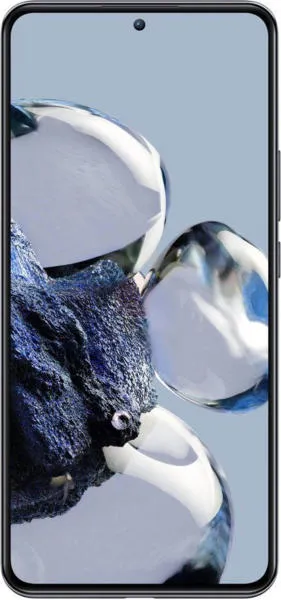
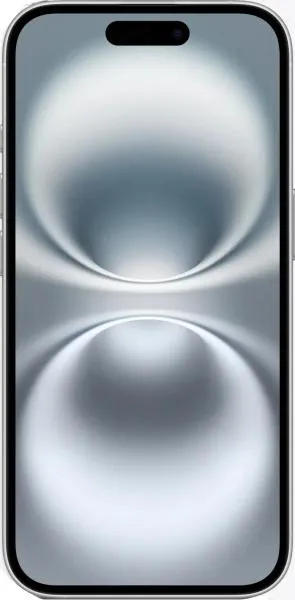
Xiaomi 12T Pro vs. Apple iPhone 16: A Deep Dive
Let's dissect the Xiaomi 12T Pro and the Apple iPhone 16, going beyond the spec sheets to understand what these phones offer in the real world.
1. Specifications Breakdown
| Feature | Xiaomi 12T Pro | Apple iPhone 16 | Real-World Implications |
|---|---|---|---|
| Design | |||
| Dimensions (mm) | 163.1 x 75.9 x 8.6 | 147.6 x 71.6 x 7.8 | iPhone 16 is noticeably smaller and lighter, making it more pocketable. |
| Weight (g) | 205 | 170 | Lighter iPhone 16 is more comfortable for extended use and one-handed operation. |
| Display | |||
| Size (inches) | 6.67 | 6.1 | Larger display on the 12T Pro offers more immersive content consumption. |
| Resolution (px) | 1220 x 2712 | 1179 x 2556 | Both offer sharp visuals; 12T Pro's higher resolution might be noticeable in side-by-side comparisons. |
| Type | AMOLED, 120Hz | Super Retina XDR OLED | Both offer vibrant colors and deep blacks. 120Hz on the 12T Pro delivers smoother scrolling and animations. |
| Peak Brightness | 900 nits (typical), 1200 nits (peak) | 1000 nits (typical), 2000 nits (HBM) | iPhone 16 boasts significantly higher peak brightness, crucial for outdoor visibility. |
| Performance | |||
| Chipset | Snapdragon 8+ Gen 1 (4nm) | Apple A18 (3nm) | A18 is expected to outperform the Snapdragon 8+ Gen 1, especially in graphics-intensive tasks. |
| CPU | Octa-core | Hexa-core | Both offer ample processing power for daily tasks and demanding apps. |
| GPU | Adreno 730 | Apple GPU (5-core) | A18's GPU should provide a significant advantage in gaming and other GPU-bound workloads. |
| RAM | 8GB/12GB | 8GB | Both offer sufficient RAM for multitasking; 12GB option on 12T Pro offers more headroom for future-proofing. |
| Camera | |||
| Main Camera | 200MP Samsung HP1 | 48MP Sony IMX904 | 12T Pro's higher megapixel count doesn't necessarily equate to better image quality. Real-world performance depends on processing. |
| Ultrawide | 8MP | 12MP | iPhone 16's ultrawide offers higher resolution. |
| Selfie Camera | 20MP | 12MP | 12T Pro boasts higher resolution for selfies. |
| Battery Life | |||
| Capacity (mAh) | 5000 | 3561 | 12T Pro's significantly larger battery likely translates to longer usage time. |
2. Key Insights
- Performance: The iPhone 16, with its newer A18 chip, is projected to deliver superior performance, particularly in graphics-intensive applications and gaming. The Xiaomi 12T Pro, while powerful with the Snapdragon 8+ Gen 1, represents a previous generation.
- Display: While the 12T Pro offers a larger display and a faster refresh rate for smoother visuals, the iPhone 16's Super Retina XDR display with its higher peak brightness will be more legible outdoors.
- Camera: Megapixel counts can be misleading. While the 12T Pro boasts a 200MP sensor, Apple's computational photography prowess often results in superior image quality from its 48MP sensor. This requires real-world testing to confirm.
- Battery: The Xiaomi 12T Pro's larger battery capacity suggests longer battery life. However, Apple's tight integration of hardware and software could lead to optimized power consumption on the iPhone 16, potentially narrowing the gap.
3. User Profiles and Recommendations
- Xiaomi 12T Pro: Suited for users prioritizing a large, smooth display, a long-lasting battery, and who are comfortable with the Android ecosystem. Content consumers, mobile gamers on a budget, and multitaskers would appreciate its capabilities.
- Apple iPhone 16: Ideal for users deeply invested in the Apple ecosystem who value top-tier performance, a bright and vibrant display, and expect excellent camera performance. Users prioritizing a compact form factor will also prefer the iPhone 16.
4. Buying Decision Framework
- What is your budget? The iPhone 16 is expected to be priced higher than the Xiaomi 12T Pro.
- Which operating system do you prefer? Android offers more customization options, while iOS is known for its simplicity and user-friendliness.
- What are your priorities? Prioritize performance and camera? Choose the iPhone 16. Prioritize battery life, a larger display, and affordability? The 12T Pro could be a compelling option.
My Choice: If I were choosing between these two, I'd lean towards the iPhone 16. While the 12T Pro offers enticing features like a larger battery and higher refresh rate display, the expected performance gains and consistently excellent camera performance of the iPhone 16, coupled with the tighter integration of iOS and its hardware, are more compelling to me. I prioritize a smooth, powerful experience with a reliable camera, and I'm willing to pay a premium for that. The smaller size of the iPhone 16 is also more appealing for my personal preference.
