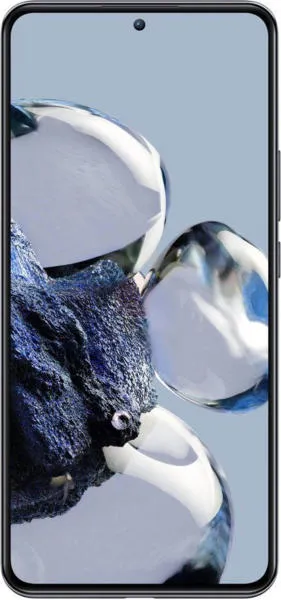
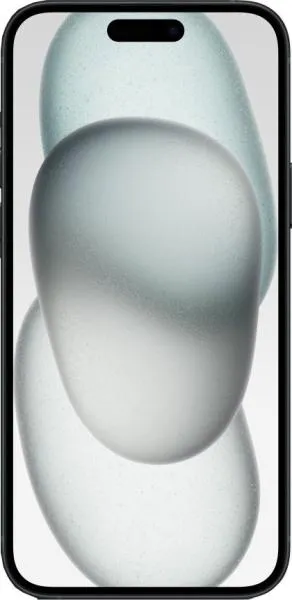
Xiaomi 12T Pro vs. Apple iPhone 15 Plus: A Deep Dive for the Discerning User
Hello fellow tech explorers! Alex Griffin here, ready to dissect the Xiaomi 12T Pro and the Apple iPhone 15 Plus. We'll go beyond the spec sheets to uncover what these phones truly offer in real-world scenarios.
1. Specifications Breakdown
| Feature | Xiaomi 12T Pro | Apple iPhone 15 Plus | Real-World Implications |
|---|---|---|---|
| Design | |||
| Dimensions (mm) | 163.1 x 75.9 x 8.6 | 160.8 x 77.8 x 7.8 | iPhone 15 Plus is slightly smaller and thinner. |
| Weight (g) | 205 | 203 | Negligible difference in weight; both feel substantial in hand. |
| Display | |||
| Size (inches) | 6.67 | 6.7 | Virtually identical screen real estate. |
| Resolution (px) | 1220 x 2712 | 1290 x 2796 | iPhone has a slightly sharper display. |
| Type | AMOLED | Super Retina XDR OLED | Both offer vibrant colors and deep blacks; iPhone boasts higher peak brightness (2000 nits vs 1200 nits) |
| Refresh Rate (Hz) | 120 | 60 | Xiaomi offers smoother scrolling and animations. |
| Performance | |||
| Chipset | Snapdragon 8+ Gen 1 | A16 Bionic | A16 generally benchmarks higher in terms of raw power and efficiency. |
| CPU | Octa-core | Hexa-core | Both offer excellent performance for demanding tasks. |
| RAM (GB) | 8/12 | 6 | More RAM in Xiaomi could benefit multitasking in the long run. |
| Camera | |||
| Main Camera (MP) | 200 | 48 | Xiaomi boasts higher resolution; iPhone likely prioritizes sensor quality and image processing. |
| Video | 8K@24fps | 4K@60fps | Xiaomi offers higher resolution video recording. |
| Battery Life | |||
| Capacity (mAh) | 5000 | 4323 | Xiaomi has a larger battery capacity, suggesting longer potential battery life. |
2. Key Insights
- Performance: While the Snapdragon 8+ Gen 1 is no slouch, the A16 Bionic in the iPhone 15 Plus generally delivers superior performance and efficiency. This translates to smoother performance in demanding games and applications, and potentially better battery life despite the smaller battery.
- Display: Both phones have excellent displays. The iPhone 15 Plus's Super Retina XDR OLED panel may have a slight edge in sharpness and brightness, reaching an impressive 2000 nits peak brightness compared to the 1200 nits on the Xiaomi. However, the Xiaomi 12T Pro's 120Hz refresh rate delivers noticeably smoother scrolling and a more fluid user experience.
- Camera: The megapixel count might tempt you towards the Xiaomi, but Apple's history suggests the iPhone 15 Plus, despite its lower resolution, will likely produce superior image quality thanks to advanced computational photography. Real-world testing will be crucial to determine the true winner.
- Software: The age-old iOS vs. Android debate comes into play here. iOS is known for its simplicity and tight integration, while Android offers greater customization and flexibility.
3. User Profiles and Recommendations
- Xiaomi 12T Pro: Best for users seeking a high-refresh-rate display, a large battery, and potentially more affordable price point. Power users who prioritize multitasking and media consumption would appreciate the 120Hz display and ample RAM.
- iPhone 15 Plus: Ideal for users entrenched in the Apple ecosystem who value performance, camera quality, and a seamless user experience. Those seeking a large-screen iPhone without the Pro Max price tag will find this appealing.
4. Buying Decision Framework
- What operating system do you prefer? If you're already invested in either ecosystem, sticking with it often makes sense.
- Is a high refresh rate display a priority? If smooth scrolling and fluid animations are crucial, the Xiaomi's 120Hz display is a clear advantage.
- What's your budget? The Xiaomi 12T Pro is typically more affordable, making it a strong value proposition.
My Choice: Apple iPhone 15 Plus
While the Xiaomi 12T Pro offers compelling features like a high refresh rate display and a massive battery, I would personally choose the iPhone 15 Plus. The A16 Bionic's superior performance and efficiency, coupled with Apple's consistently excellent camera performance and the refined iOS experience, are deciding factors for me. The brighter display is also a big plus, especially for outdoor use. While I appreciate the value proposition of the Xiaomi, the overall user experience and long-term performance potential of the iPhone 15 Plus align more closely with my personal preferences.
