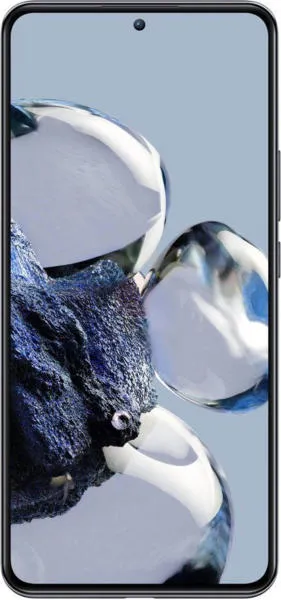
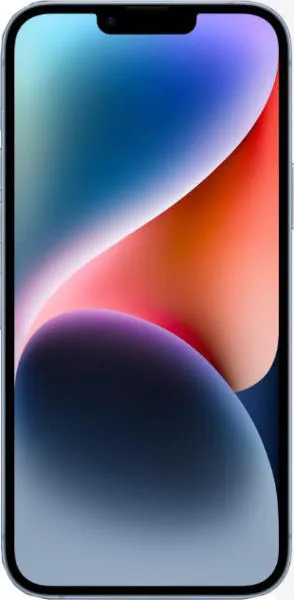
Xiaomi 12T Pro vs. Apple iPhone 14 Plus: A Deep Dive
Let's dissect the Xiaomi 12T Pro and the Apple iPhone 14 Plus, two compelling contenders in the mid-range smartphone arena. We'll go beyond the spec sheets to uncover what these differences truly mean for you.
1. Specifications Breakdown
| Feature | Xiaomi 12T Pro | Apple iPhone 14 Plus | Real-World Implications |
|---|---|---|---|
| Design | |||
| Dimensions (mm) | 163.1 x 75.9 x 8.6 | 160.8 x 78.1 x 7.8 | 12T Pro slightly taller and thicker. iPhone 14 Plus slightly wider, both large phones. |
| Weight (g) | 205 | 203 | Negligible difference in weight. |
| Build Materials | Glass front, aluminum frame | Glass front, aluminum frame | Similar premium feel. Durability depends on individual use and case choice. |
| Display | |||
| Size (inches) | 6.67 | 6.7 | Virtually identical screen real estate. |
| Resolution (px) | 1220 x 2712 | 1284 x 2778 | Both offer sharp, detailed visuals. iPhone with slightly higher pixel density (458 vs 446 ppi). |
| Type | AMOLED, 120Hz | Super Retina XDR OLED | Both offer vibrant colors and deep blacks. 120Hz on 12T Pro allows for smoother scrolling and animations. |
| Performance | |||
| Chipset | Snapdragon 8+ Gen 1 | A15 Bionic | Both are powerful chips, but benchmarks suggest A15 edges out in raw power and efficiency. |
| CPU | Octa-core (1x3.19 GHz + ...) | Hexa-core (2x3.23 GHz + ...) | Both handle demanding tasks with ease. Core configuration nuances impact specific workload performance. |
| RAM | 8GB/12GB | 6GB | 8GB or 12GB on 12T Pro offers more headroom for multitasking. |
| Camera | |||
| Main Sensor (MP) | 200 | 12 | Xiaomi boasts significantly higher megapixel count. Real-world image quality depends on processing. |
| DxOMark Score | 129 | 133 | iPhone 14 Plus scores slightly higher overall in DxOMark tests, indicating superior image quality. |
| Battery Life | |||
| Capacity (mAh) | 5000 | 4323 | Xiaomi offers a larger battery, potentially translating to longer usage time. |
2. Key Insights
- Performance: While benchmarks favor the A15 Bionic, both phones deliver flagship-level performance. The 12T Pro's extra RAM may provide an advantage in heavy multitasking. iPhone known for sustained performance over time.
- Display: The 12T Pro's 120Hz AMOLED display offers a noticeably smoother visual experience compared to the iPhone 14 Plus. However, the iPhone 14 Plus features a slightly higher pixel density and peak brightness.
- Camera: The 200MP sensor on the 12T Pro is attention-grabbing, but megapixels don't tell the whole story. iPhone 14 Plus consistently produces excellent images with its 12MP system, especially in video recording. Computational photography plays a significant role in both.
- Battery: The Xiaomi 12T Pro's larger battery likely translates to longer usage between charges. However, iOS optimization often allows iPhones to achieve impressive battery life despite smaller capacities. Real-world battery performance varies significantly depending on usage patterns.
3. User Profiles and Recommendations
- Xiaomi 12T Pro: Best for users who prioritize a smooth display, fast charging, and potentially longer battery life. The high megapixel camera might appeal to photography enthusiasts, though real-world results should be carefully evaluated.
- Apple iPhone 14 Plus: Best for users entrenched in the Apple ecosystem who value consistent performance, excellent camera quality (especially video), and long-term software updates.
4. Buying Decision Framework
- Are you already invested in the Apple ecosystem? If yes, the iPhone 14 Plus offers seamless integration.
- Is display smoothness a top priority? The 12T Pro's 120Hz refresh rate provides a tangible advantage in fluidity.
- What's your budget? Pricing varies depending on storage configurations and regional availability. Carefully consider the price-to-value ratio for your specific needs.
My Choice: The iPhone 14 Plus
While the Xiaomi 12T Pro presents a compelling package with its impressive specifications, I would choose the iPhone 14 Plus. My decision hinges on the following:
- Consistent Performance and Longevity: Apple's A15 Bionic chip, combined with iOS optimization, offers sustained performance and extended software support, ensuring a smooth user experience for years to come. This matters to me in the long run.
- Camera Quality: While the 200MP sensor is intriguing, the iPhone's proven track record in image processing and video recording gives me more confidence in consistently capturing high-quality photos and videos. The DxOMark scores confirm this bias.
- Ecosystem Integration: Being already invested in the Apple ecosystem, the seamless integration with other Apple devices and services is a significant advantage for my workflow.
- Resale Value: iPhones tend to hold their value better over time, which is a factor I consider in my long-term investment.
While the 120Hz display on the Xiaomi is tempting, the overall package of the iPhone 14 Plus aligns better with my priorities of long-term performance, reliable camera quality, and ecosystem integration. However, users prioritizing a fluid display and potentially longer battery life might find the Xiaomi 12T Pro a more compelling choice. Ultimately, the "best" phone depends on your individual needs and preferences.
