
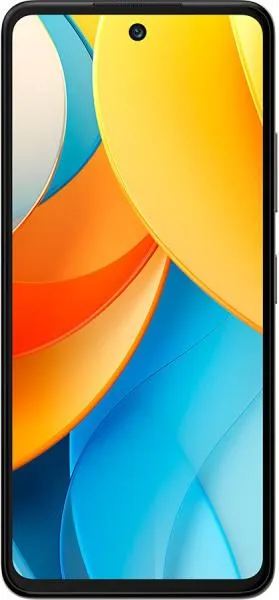
Let's dive into a comparative analysis of the vivo X100 and the ZTE Blade V60 Design, dissecting their specifications and translating them into real-world implications for you.
1. Specifications Breakdown
| Feature | vivo X100 | ZTE Blade V60 Design | Real-World Implications |
|---|---|---|---|
| Design | |||
| Dimensions | 164.1 x 75.2 x 8.5 mm | 164.2 x 75.3 x 8.6 mm | Nearly identical in size; X100 slightly thinner. |
| Weight | 202g | 198g | Negligible difference in hand feel. |
| Build Materials | Not specified | Not specified | Build quality and premium feel cannot be assessed without further information. |
| Display | |||
| Display Type | LTPO AMOLED, 1B colors, 120Hz | IPS LCD, 90Hz | X100: Superior color accuracy, deeper blacks, smoother scrolling, more power efficient. |
| Resolution | 1260 x 2800 | 720 x 1612 | X100: Significantly sharper and more detailed visuals. V60: Noticeably pixelated. |
| Refresh Rate | 120Hz | 90Hz | X100: Smoother animations and transitions. |
| Peak Brightness | 3000 nits | Not specified | X100: Exceptional outdoor visibility. V60: Performance in bright sunlight unknown. |
| Performance | |||
| Chipset | Mediatek Dimensity 9300 (4nm) | Unisoc T606 (12nm) | X100: Vastly superior processing power and efficiency. Expect significantly faster performance. |
| CPU | Octa-core (1x3.25 GHz X4...) | Octa-core (2x1.6 GHz A75...) | X100: Much faster CPU, capable of handling demanding tasks with ease. V60: Basic tasks and light gaming. |
| GPU | Immortalis-G720 MC12 | Mali-G57 MP1 | X100: High-end gaming and graphics-intensive applications. V60: Casual gaming and basic graphics. |
| RAM | 16GB | 6GB | X100: Superior multitasking and app responsiveness. |
| Storage | 256GB/512GB | 256GB | Comparable storage capacity, though RAM difference impacts overall performance. |
| Battery Life | |||
| Battery Capacity | 5000 mAh | 5000 mAh | Similar battery capacity; X100's more efficient display and chipset likely result in longer battery life. |
| Other | |||
| OS | Android 14 | Android 13 | X100: Newer OS with potential for longer software support and features. |
| Price Range | Medium | Low | X100: Expect a higher price point. V60: Budget-friendly option. |
2. Key Insights
The vivo X100 significantly outclasses the ZTE Blade V60 Design in almost every aspect. The X100 boasts a vastly superior display, a dramatically more powerful processor, double the RAM and a newer operating system. While both phones offer large batteries, the X100's more efficient components likely translate to longer real-world usage. The V60's primary advantage lies in its lower price point.
3. User Profiles and Recommendations
- vivo X100: Ideal for power users, gamers, photography enthusiasts, and anyone who demands top-tier performance, a stunning display, and the latest features.
- ZTE Blade V60 Design: Suitable for budget-conscious users who prioritize basic communication, web browsing, and light media consumption. It's a compromise on performance and features for affordability.
4. Buying Decision Framework
- What is your budget? If price is a primary concern, the V60 is the more affordable option.
- What is your usage pattern? For demanding tasks and multimedia, the X100 is essential. For basic usage, the V60 might suffice.
- How important are display quality and performance? The X100 dramatically outperforms the V60 in these areas.
My Choice: I would choose the vivo X100. While more expensive, the significantly improved performance, stunning display, and future-proof features are worth the investment for me. I value a smooth, responsive user experience, high-quality visuals, and the ability to run demanding applications without lag. The X100 delivers on all fronts, promising a more enjoyable and productive mobile experience in the long run. The ZTE Blade V60 Design, while budget-friendly, simply doesn't meet my needs for performance and quality.
