
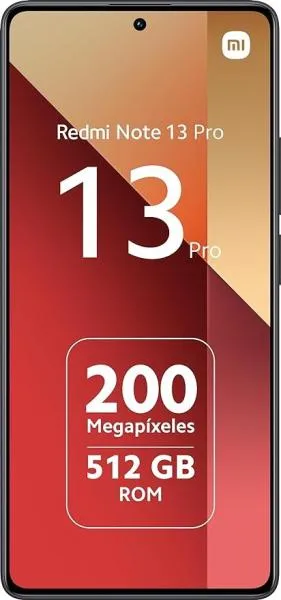
vivo X100 vs. Xiaomi Redmi Note 13 Pro 4G: A Deep Dive
Let's dissect the vivo X100 and Xiaomi Redmi Note 13 Pro 4G, two compelling mid-range contenders, to see which phone reigns supreme. I'll break down the specs, analyze their real-world impact, and help you decide which device fits your needs.
1. Specifications Breakdown
| Feature | vivo X100 | Xiaomi Redmi Note 13 Pro 4G | Real-World Implications |
|---|---|---|---|
| Design | |||
| Dimensions | 164.1 x 75.2 x 8.5 mm | 161.1 x 75 x 8 mm | Redmi is slightly smaller, potentially easier to handle. |
| Weight | 202g | 188g | Redmi is noticeably lighter, reducing hand fatigue. |
| Display | |||
| Size | 6.78" | 6.67" | Negligible difference in screen real estate. |
| Type | LTPO AMOLED, 1B colors, 120Hz | AMOLED, 1B colors, 120Hz | Both offer vibrant colors and smooth scrolling; vivo's LTPO allows for dynamic refresh rate adjustments, saving battery. |
| Resolution | 1260 x 2800 | 1080 x 2400 | Vivo boasts significantly sharper visuals due to higher pixel density. |
| Peak Brightness | 3000 nits | 1300 nits | Vivo's display will be far more visible in direct sunlight. |
| Performance | |||
| Chipset | Dimensity 9300 (4nm) | Helio G99 Ultra | Vivo's 4nm Dimensity 9300 promises significantly faster processing and better power efficiency than Redmi's Helio G99. |
| CPU | Octa-core (1x3.25 GHz Cortex-X4 & 3x2.85 GHz Cortex-X4 & 4x2.0 GHz Cortex-A720) | Octa-core (2x2.2 GHz Cortex-A76 & 6x2.0 GHz Cortex-A55) | Vivo utilizes more powerful CPU cores, resulting in superior performance for demanding tasks and multitasking. |
| GPU | Immortalis-G720 MC12 | Mali-G57 MC2 | Vivo offers much stronger graphics performance, ideal for gaming and visually intensive applications. |
| RAM | 16GB | 8GB/12GB | Vivo's base model offers double the RAM, enabling smoother multitasking and app switching. |
| Storage | 256GB/512GB | 256GB/512GB | Comparable storage options on both devices. |
| Battery Life | |||
| Capacity | 5000 mAh | 5000 mAh | Similar battery capacities; however, Vivo's more efficient chipset likely translates to longer real-world usage. |
| Software | |||
| OS | Android 14 | Android 13 | Vivo ships with the latest Android version, offering potential feature and security advantages. |
2. Key Insights
The vivo X100 significantly outperforms the Redmi Note 13 Pro 4G in key areas. Its Dimensity 9300 chipset, coupled with ample RAM, delivers a substantial performance advantage for demanding tasks and gaming. The brighter, sharper display enhances media consumption and outdoor visibility. While both phones offer large batteries, the X100's superior power efficiency likely translates to longer battery life. The Redmi Note 13 Pro 4G's strengths lie in its lighter weight and potentially lower price point.
3. User Profiles and Recommendations
vivo X100: Ideal for power users, gamers, and those prioritizing performance, a stunning display, and the latest software. The extra RAM ensures smooth multitasking, making it suitable for productivity-focused individuals.
Xiaomi Redmi Note 13 Pro 4G: A good option for budget-conscious users who prioritize basic functionality, lightweight design, and long battery life. It's suitable for everyday tasks like browsing, social media, and casual gaming.
4. Buying Decision Framework
- What is your budget? The Redmi Note 13 Pro 4G likely offers a more affordable entry point.
- What are your performance needs? For demanding tasks and gaming, the vivo X100 is the clear winner.
- How important is display quality? The vivo X100 boasts a superior display in terms of resolution and brightness.
My Choice: I would choose the vivo X100. While potentially more expensive, the significant leap in performance, the stunning display, and the latest Android version are compelling. As someone who values a smooth and responsive user experience, the X100's powerful hardware and optimized software align better with my needs. The brighter display is a crucial factor for outdoor usage, and the future-proofed chipset ensures longevity. The slightly heavier weight is a minor trade-off for the significant performance gains.
