
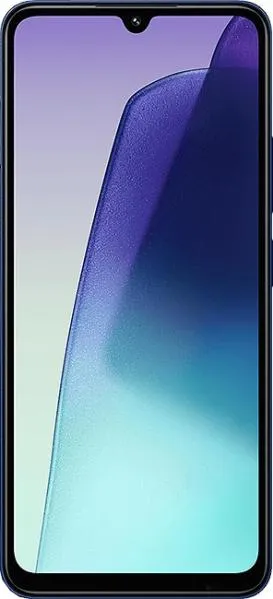
vivo X100 vs. Xiaomi Redmi 14C: A Deep Dive
Let's dissect the vivo X100 and Xiaomi Redmi 14C, two intriguing contenders in the mid-range smartphone arena. We'll go beyond the spec sheet to understand how these devices perform in the real world.
1. Specifications Breakdown
| Feature | vivo X100 | Xiaomi Redmi 14C | Real-World Implications |
|---|---|---|---|
| Design | |||
| Dimensions | 164.1 x 75.2 x 8.5 mm | 171.9 x 77.8 x 8.2mm | X100 is noticeably more compact, potentially offering a better one-handed experience. |
| Weight | 202g | 211g | X100 is slightly lighter. |
| Build | (Information not provided) | (Information not provided) | Build quality impacts durability and premium feel; information needed for comprehensive comparison. |
| Display | |||
| Type | LTPO AMOLED, 1B colors, 120Hz | IPS LCD, 120Hz | X100's AMOLED offers superior contrast, deeper blacks, and potentially better power efficiency. |
| Size | 6.78" | 6.88" | Redmi 14C has a slightly larger screen, but the X100's superior quality likely offsets this. |
| Resolution | 1260 x 2800 | 720 x 1640 | X100 boasts significantly sharper visuals due to much higher resolution. |
| Refresh Rate | 120Hz | 120Hz | Both offer smooth scrolling and animations. |
| Peak Brightness | 3000 nits | 600 nits (HBM) | X100's display will be far more visible in direct sunlight. |
| Performance | |||
| Chipset | Mediatek Dimensity 9300 (4nm) | Mediatek Helio G81 Ultra | X100's Dimensity 9300 is significantly more powerful, enabling smoother multitasking and gaming. |
| CPU | Octa-core (1x3.25 GHz Cortex-X4 & 3x2.85 GHz Cortex-A710 & 4x2.0 GHz Cortex-A510) | Octa-core (2x2.0 GHz Cortex-A75 & 6x1.8 GHz Cortex-A55) | X100's CPU architecture is newer and more powerful, resulting in faster processing speeds. |
| GPU | Immortalis-G720 MC12 | Mali-G52 MC2 | X100 offers a substantially more powerful GPU, leading to a much better gaming experience. |
| RAM | 16GB | 6GB/8GB | X100's 16GB RAM ensures effortless multitasking and smooth performance even with demanding apps. |
| Storage | 256GB/512GB | 128GB | X100 offers double or quadruple the storage. |
| Battery | |||
| Capacity | 5000 mAh | 5160 mAh | Redmi 14C has a slightly larger battery, but the X100's more efficient display may result in similar battery life. |
2. Key Insights
The vivo X100 clearly outperforms the Redmi 14C in almost every aspect. Its Dimensity 9300 chip, coupled with 16GB of RAM, delivers flagship-level performance. The stunning high-resolution AMOLED display offers vibrant colors and incredible brightness. While the Redmi 14C boasts a larger battery and screen size, these advantages are overshadowed by the X100's superior technology.
3. User Profiles and Recommendations
- vivo X100: Ideal for power users, gamers, photography enthusiasts, and anyone who demands top-tier performance and a premium display.
- Xiaomi Redmi 14C: Suitable for budget-conscious users who prioritize basic functionality, long battery life, and a large screen for media consumption. Less suitable for demanding tasks or gaming.
4. Buying Decision Framework
- What is your budget? The X100 will likely be significantly more expensive.
- What are your primary smartphone usage patterns? For demanding tasks, gaming, or media creation, the X100 is the clear winner. For basic communication, web browsing, and casual media consumption, the Redmi 14C might suffice.
- How important are display quality and performance? If these are top priorities, the X100's AMOLED display and powerful chipset are compelling.
My Choice: I would choose the vivo X100. As a tech enthusiast and someone who values a smooth, powerful, and visually stunning experience, the X100's superior performance, display, and overall build quality are irresistible. While the Redmi 14C offers a larger battery and display, these are minor advantages compared to the significant performance gap. The X100's Dimensity 9300 and ample RAM ensure future-proofing and a lag-free experience for years to come. The investment in the X100 aligns better with my needs and priorities.
