
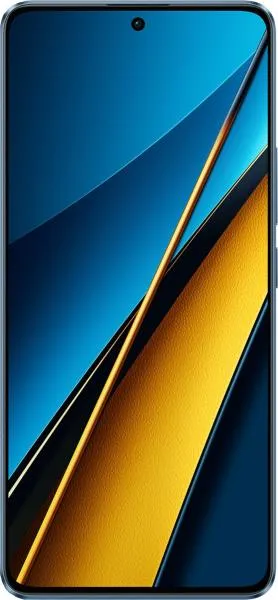
vivo X100 vs. Xiaomi Poco X6: A Detailed Comparison
Let's dive deep into a comparative analysis of the vivo X100 and the Xiaomi Poco X6, dissecting their specifications and uncovering what they mean for you, the user.
1. Specifications Breakdown
| Feature | vivo X100 | Xiaomi Poco X6 | Real-World Implications |
|---|---|---|---|
| Design | |||
| Dimensions | 164.1 x 75.2 x 8.5 mm | 161.2 x 74.3 x 8 mm | X100 slightly taller and wider, both slim. Poco X6 potentially feels a bit more compact in hand. |
| Weight | 202g | 181g | Poco X6 noticeably lighter, reducing hand fatigue during extended use. |
| Display | |||
| Size | 6.78" | 6.67" | Negligible difference in screen real estate. |
| Type | LTPO AMOLED, 1B colors, 120Hz | AMOLED, 68B colors, 120Hz | Both offer smooth scrolling and vibrant colors. X100's LTPO allows for dynamic refresh rate adjustment, saving battery. |
| Peak Brightness | 3000 nits | 1800 nits | X100 significantly brighter outdoors. |
| Resolution | 1260 x 2800 | 1220 x 2712 | X100 slightly sharper, though both offer crisp visuals. |
| Performance | |||
| Chipset | Dimensity 9300 (4nm) | Snapdragon 7s Gen 2 (4nm) | Dimensity 9300 expected to deliver superior performance in demanding tasks and gaming due to its newer architecture. |
| CPU | Octa-core (1x3.25 GHz X4 & ...) | Octa-core (4x2.4 GHz A78 & ...) | X100 boasts a more powerful CPU configuration, translating to faster app loading, smoother multitasking, and better gaming. |
| GPU | Immortalis-G720 MC12 | Adreno 710 | X100's GPU likely offers a significant advantage in graphics-intensive applications and gaming. |
| RAM | 16GB | 12GB | X100 offers more RAM, enhancing multitasking and demanding application performance. |
| Battery | |||
| Capacity | 5000 mAh | 5100 mAh | Poco X6 has a slightly larger battery capacity, potentially offering longer usage time. |
| Other | |||
| OS | Android 14 | Android 13, upgradable to 16 | X100 ships with the latest Android version. Poco X6 can be upgraded, but initial software experience may differ. |
| Storage | 256/512GB | 256/512GB | Comparable storage options on both devices. |
2. Key Insights
The vivo X100 positions itself as a performance powerhouse, with its cutting-edge Dimensity 9300 chipset and a stunningly bright display. The Poco X6, while offering a solid overall package with a slightly larger battery and competitive pricing, trails in raw performance. The X100's LTPO display provides a subtle but meaningful advantage in battery efficiency.
3. User Profiles and Recommendations
vivo X100: Ideal for power users, mobile gamers, and those who demand top-tier performance and a brilliant display. The premium experience comes at a slightly higher price.
Xiaomi Poco X6: A great choice for users seeking a well-rounded device with good battery life and a smooth display at a competitive price point. Suitable for everyday tasks, media consumption, and moderate gaming.
4. Buying Decision Framework
- What is your budget? The vivo X100 will likely command a higher price due to its superior hardware.
- What are your performance needs? Heavy gamers and multitaskers will appreciate the X100's powerful chipset and ample RAM.
- How important is display quality? The X100's brighter, more advanced display is a clear winner for outdoor use and media consumption.
My Choice: The vivo X100
While the Poco X6 is a commendable device, I would choose the vivo X100. Its superior processing power, brighter and more efficient display, and the latest Android OS out of the box are compelling. As someone who values a fluid and responsive user experience, the performance gains offered by the Dimensity 9300 are a significant factor. The brighter display enhances outdoor usability, a crucial aspect for me. While the Poco X6 boasts a slightly larger battery, the X100's LTPO panel mitigates this difference by dynamically adjusting the refresh rate, optimizing battery consumption. The price difference, assuming it's not exorbitant, is justified by the tangible benefits in performance and display quality.
