
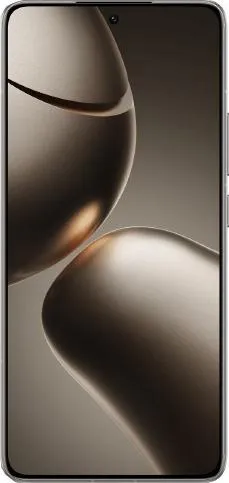
vivo X100 vs. Xiaomi 14T Pro: A Deep Dive
Let's dissect the vivo X100 and Xiaomi 14T Pro, two intriguing contenders in the mid-range smartphone arena. We'll go beyond the spec sheet to understand what these numbers really mean for you.
1. Specifications Breakdown
| Feature | vivo X100 | Xiaomi 14T Pro | Real-World Implications |
|---|---|---|---|
| Design | |||
| Dimensions | 164.1 x 75.2 x 8.5 mm | 160.4 x 75.1 x 8.4 mm | 14T Pro slightly smaller, potentially more pocketable |
| Weight | 202g | 209g | Negligible difference in hand feel |
| Display | |||
| Size | 6.78" | 6.67" | X100 marginally larger screen real estate |
| Type | LTPO AMOLED | AMOLED | X100's LTPO allows for dynamic refresh rate, saving battery |
| Resolution | 1260 x 2800 | 1220 x 2712 | Similar sharpness; both are crisp and detailed |
| Refresh Rate | 120Hz | 144Hz | 14T Pro smoother scrolling and animations, especially in gaming |
| Peak Brightness | 3000 nits | 4000 nits | 14T Pro significantly brighter outdoors |
| Performance | |||
| Chipset | Dimensity 9300 | Dimensity 9300+ | 9300+ offers a slight performance boost, likely marginal in daily use |
| CPU | 1x3.25 GHz X4 & 3x2.85 GHz X4 & 4x2.0 GHz A720 | 1x3.4 GHz X4 & 3x2.85 GHz X4 & 4x2.0 GHz A720 | 14T Pro has slightly faster prime core, potentially benefiting demanding tasks |
| GPU | Immortalis-G720 MC12 | Immortalis-G720 MC12 | Similar graphical performance |
| RAM/Storage | 256/16GB, 512/16GB | 512/12GB | X100 offers more RAM options; 14T Pro comes with ample 512GB storage |
| Battery | |||
| Capacity | 5000 mAh | 5000 mAh | Identical battery capacity, real-world endurance will depend on optimization |
| Other | |||
| OS | Android 14 | Android 14 | Both run the latest Android version |
| NFC | Yes | Yes | Contactless payments supported |
| Video Recording | Not Specified | Up to 8K@30fps | 14T Pro boasts impressive video recording capabilities |
2. Key Insights
The vivo X100 emphasizes display efficiency with its LTPO panel, likely resulting in better battery life despite having a slightly larger screen. Its higher RAM options could provide a smoother multitasking experience.
The Xiaomi 14T Pro boasts a brighter display, a minor CPU clock speed advantage, and significantly more robust video recording capabilities. Its higher refresh rate will appeal to gamers and those who prioritize smooth visuals.
3. User Profiles and Recommendations
vivo X100: Ideal for users who prioritize battery life, a smooth user experience fueled by ample RAM, and a slightly larger display.
Xiaomi 14T Pro: Best suited for power users, mobile gamers, content creators who need high-quality video recording, and those who prefer the absolute brightest display possible.
4. Buying Decision Framework
- Is battery life your top priority? The X100's LTPO display might give it an edge.
- Are you a heavy multitasker or mobile gamer? The 14T Pro's higher refresh rate and slightly faster CPU might be preferable. The extra RAM in the X100 might also be beneficial for multitaskers.
- Do you shoot a lot of video? The 14T Pro's superior video recording features make it the clear winner.
My Choice: The vivo X100
While the Xiaomi 14T Pro boasts impressive specs on paper, I'd personally choose the vivo X100. My priorities lie in all-day battery life, a smooth and responsive user experience, and a display that's easy on the eyes. The X100's LTPO AMOLED technology addresses these needs directly. Although the 14T Pro has a brighter display, 3000 nits is already exceptionally bright for real-world use. The slight performance bump in the 14T Pro wouldn't significantly impact my day-to-day usage. Finally, while I appreciate the 14T Pro's video capabilities, they are not a primary need for me. The X100 strikes a better balance for my personal usage patterns.
