
1. Specifications Comparison
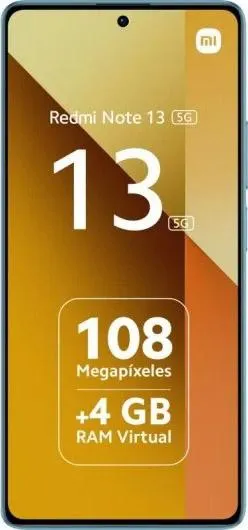
| Feature | vivo X100 Pro | Xiaomi Redmi Note 13 | Practical Impact |
|---|---|---|---|
| Design | |||
| Dimensions | 164.1 x 75.3 x 8.9 mm | 161.1 x 75 x 7.6 mm | Redmi Note 13 is slightly smaller and noticeably thinner. X100 Pro may feel more premium due to implied material choices. |
| Weight | 221g | 174.5g | Redmi Note 13 is significantly lighter, reducing hand fatigue during extended use. |
| Build | (Missing) | (Missing) | Material differences (e.g., glass vs. plastic) impact durability and premium feel. This information is missing. |
| Fingerprint Sensor | Under display | Side-mounted | Preference-based; under-display feels more modern, side-mounted can be faster and easier to access. |
| Display | |||
| Size | 6.78" | 6.67" | Negligible difference in screen real estate. |
| Type | LTPO AMOLED | AMOLED | X100 Pro's LTPO panel allows for dynamic refresh rate adjustment, saving battery. Both offer vibrant colors and deep blacks due to AMOLED technology. |
| Resolution | 1260 x 2800 | 1080 x 2400 | X100 Pro boasts significantly sharper visuals due to higher pixel density (452 ppi vs 395 ppi), noticeable in text clarity and image detail. |
| Refresh Rate | 120Hz | 120Hz | Both offer smooth scrolling and animations. |
| Peak Brightness | 3000 nits | 1000 nits | X100 Pro offers superior outdoor visibility, crucial in direct sunlight. |
| Performance | |||
| Chipset | Mediatek Dimensity 9300 (4nm) | Mediatek Dimensity 6080 (6nm) | X100 Pro's 9300 is considerably more powerful, resulting in faster app loading, smoother multitasking, and better gaming performance. The 4nm process also suggests better power efficiency. |
| CPU | Octa-core (1x3.25 GHz Cortex-X4 & 3x2.85 GHz Cortex-X4 & 4x2.0 GHz Cortex-A720) | Octa-core (2x2.4 GHz Cortex-A76 & 6x2.0 GHz Cortex-A55) | X100 Pro's CPU architecture offers a significant performance advantage in demanding tasks. |
| GPU | Immortalis-G720 MC12 | Mali-G57 MC2 | X100 Pro offers a much more capable GPU, crucial for high-end gaming and graphically intensive applications. |
| RAM | 16GB | 8GB/12GB | X100 Pro's 16GB RAM ensures seamless multitasking and smooth performance even with numerous apps open. |
| Storage | 256 GB | 256GB | Comparable storage capacity for both. |
| Camera | |||
| Video Capabilities | 8K@30fps, 4K@30/60fps (EIS) | 1080p@30fps | X100 Pro allows for significantly higher resolution video recording with electronic image stabilization (EIS) for smoother footage. Detailed camera specifications (sensor size, aperture) are missing, limiting comprehensive comparison. |
| Battery | |||
| Capacity | 5400 mAh | 5000 mAh | X100 Pro offers slightly longer battery life, but real-world usage will depend on individual usage patterns and software optimization. |
2. Key Differences Analysis
vivo X100 Pro Advantages:
- Significantly higher performance: The Dimensity 9300 and 16GB RAM provide a substantial edge in speed and multitasking.
- Superior display: Higher resolution, peak brightness, and LTPO technology deliver a premium visual experience.
- Advanced video recording: 8K recording capabilities cater to content creators.
Xiaomi Redmi Note 13 Advantages:
- Lower price: Positioned in the "low price" range, offering greater affordability.
- Lighter and thinner: Enhanced portability and comfort for everyday use.
3. User Profiles & Recommendations
vivo X100 Pro: Ideal for power users, gamers, content creators, and those who prioritize top-tier performance and display quality. Excellent for demanding tasks, media consumption, and content creation.
Xiaomi Redmi Note 13: Suitable for budget-conscious users, casual users, and those prioritizing affordability and portability. Good for everyday tasks, social media, and light gaming.
4. Decision Framework
Key Questions for Buyers:
- What is your budget? The Redmi Note 13 provides excellent value for its price, while the X100 Pro commands a premium.
- What are your primary use cases? Demanding tasks and content creation favor the X100 Pro, while casual usage makes the Redmi Note 13 a viable option.
- Do you prioritize performance or portability? The X100 Pro offers superior performance, while the Redmi Note 13 is lighter and more portable.
My Choice: vivo X100 Pro
While the Redmi Note 13 offers excellent value, the vivo X100 Pro's significant advantages in performance, display quality, and video recording capabilities make it my preferred choice. The Dimensity 9300's substantial power, coupled with the stunning display and advanced camera features, justify the higher price for my needs. I prioritize a smooth, responsive user experience and high-quality visuals, which the X100 Pro delivers. While I acknowledge the Redmi Note 13's appeal for budget-conscious users, the X100 Pro's future-proof specifications and premium features outweigh the price difference for me. The superior performance ensures longevity and a consistently enjoyable user experience in the long run.
