
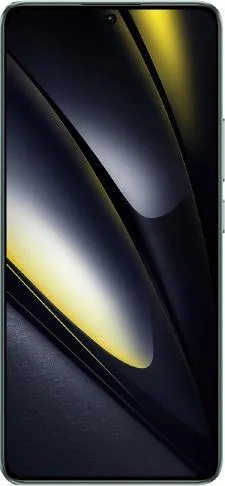
Let's dive into a comparative analysis of the vivo X100 Pro and the Xiaomi Poco F6, dissecting their specifications and uncovering what they truly offer users.
1. Specifications Breakdown
| Feature | vivo X100 Pro | Xiaomi Poco F6 | Real-World Implications |
|---|---|---|---|
| Design | |||
| Dimensions | 164.1 x 75.3 x 8.9 mm | 160.5 x 74.5 x 8 mm | Poco F6 is slightly smaller and thinner, potentially more pocketable. |
| Weight | 221g | 179g | Poco F6 is noticeably lighter, reducing hand fatigue during extended use. |
| Display | |||
| Size | 6.78" | 6.67" | Negligible difference in screen real estate. |
| Type | LTPO AMOLED | AMOLED | X100 Pro's LTPO panel allows for dynamic refresh rate adjustment, potentially saving battery. |
| Resolution | 1260 x 2800 | 1220 x 2712 | Both offer sharp visuals; X100 Pro slightly sharper due to higher pixel density. |
| Peak Brightness | 3000 nits | 2400 nits | X100 Pro offers superior outdoor visibility in bright sunlight. |
| Performance | |||
| Chipset | Dimensity 9300 | Snapdragon 8s Gen 3 | Both are flagship-level chipsets, promising smooth performance. Benchmarking needed for true comparison. |
| CPU | Octa-core (1x3.25 GHz Cortex-X4 & 3x2.85 GHz Cortex-X4 & 4x2.0 GHz Cortex-A720) | Octa-core (1x3.0 GHz Cortex-X4 & 4x2.8 GHz Cortex-A720 & 3x2.0 GHz Cortex-A520) | Dimensity 9300 boasts a more powerful CPU configuration on paper. |
| GPU | Immortalis-G720 MC12 | Adreno 735 | Gaming performance differences will depend on optimization for each GPU. |
| RAM | 16GB | 12GB | X100 Pro offers more RAM for multitasking and demanding applications. |
| Storage | 256GB | 512GB | Poco F6 provides double the storage capacity. |
| Battery | |||
| Capacity | 5400 mAh | 5000 mAh | X100 Pro has a slightly larger battery, potentially offering longer battery life. |
2. Key Insights
- Display: While both phones boast impressive displays, the X100 Pro's LTPO AMOLED panel and higher peak brightness give it an edge in terms of power efficiency and outdoor visibility. The slight resolution advantage is negligible in real-world use.
- Performance: Both chipsets are powerful, but the Dimensity 9300 in the X100 Pro, coupled with 16GB of RAM, might offer a performance advantage in demanding tasks and multitasking. The Poco F6 counters with double the storage.
- Battery: The X100 Pro's larger battery capacity suggests longer endurance, but real-world battery life will depend on software optimization and usage patterns.
- Design: The Poco F6 is lighter and more compact, which some users will find more comfortable for one-handed use and portability.
3. User Profiles and Recommendations
- vivo X100 Pro: Ideal for users who prioritize a premium display experience, potentially longer battery life, and top-tier performance for demanding tasks. The extra RAM makes it well-suited for power users and multitaskers.
- Xiaomi Poco F6: A great choice for users seeking a powerful, lightweight phone with ample storage. Its larger storage capacity caters to those who store a lot of media or games.
4. Buying Decision Framework
- What is your budget? Both are mid-range but price differences might exist.
- Is display quality or battery life a top priority? If so, the X100 Pro's LTPO AMOLED and larger battery might be compelling.
- Do you need a massive amount of storage? If you download a lot of games, videos, or take countless photos, the Poco F6's 512GB storage is a strong advantage.
My Choice
If I were choosing between these two, I'd lean towards the vivo X100 Pro. The combination of the LTPO AMOLED display, potentially superior performance due to the Dimensity 9300 and higher RAM, and slightly larger battery aligns more closely with my priorities. I value a smooth, responsive experience with excellent battery life and a vibrant display. While the Poco F6's lighter weight and larger storage are tempting, the X100 Pro's overall package seems more compelling for my usage. I'm willing to sacrifice a bit of storage for what I anticipate to be a more premium and efficient user experience. However, comprehensive benchmark tests and real-world battery comparisons would be crucial to solidify this decision.
