1. Specifications Comparison
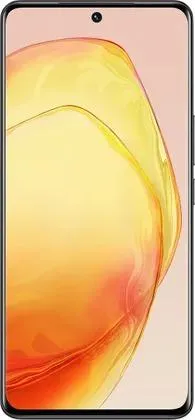
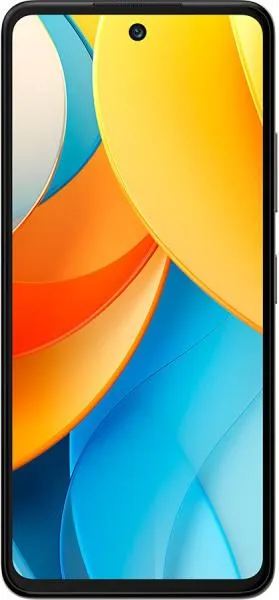
| Feature | vivo V29 | ZTE Blade V60 Design | Practical Impact | |||||
|---|---|---|---|---|---|---|---|---|
| Design | ||||||||
| Dimensions | 164.2 x 74.4 x 7.5 mm | 164.2 x 75.3 x 8.6 mm | V29 is slightly thinner and narrower. V60 Design is slightly wider and noticeably thicker. | |||||
| Weight | 186 g | 198 g | V29 is noticeably lighter, contributing to better one-handed use. | |||||
| Build Material | (Unspecified) | (Unspecified) | Build material impacts durability and premium feel; lack of information limits comparison. | |||||
| Fingerprint Sensor | Under Display | Side-mounted | Under-display fingerprint sensors are generally considered more modern and aesthetically pleasing. | |||||
| Display | ||||||||
| Display Type | AMOLED, 1B colors, 120Hz, HDR10+ | IPS LCD, 90Hz | V29 offers significantly better contrast, color accuracy, and smoother scrolling thanks to AMOLED and 120Hz. V60 Design's LCD is less vibrant. | |||||
| Resolution | 1260 x 2800 | 720 x 1612 | V29 has a much sharper display, resulting in clearer text and images. V60 Design's resolution is low for its size. | |||||
| Size | 6.78 inches | 6.6 inches | Negligible difference in screen real estate. | |||||
| Performance | ||||||||
| Chipset | Snapdragon 778G 5G (6 nm) | Unisoc T606 (12 nm) | V29's Snapdragon 778G offers significantly better performance, efficiency, and 5G connectivity. V60 Design will struggle with demanding tasks. | |||||
| CPU | Octa-core (1x2.4 GHz A78...) | Octa-core (2x1.6 GHz A75...) | V29's CPU has faster cores, leading to smoother multitasking and app loading. | |||||
| GPU | Adreno 642L | Mali-G57 MP1 | V29's GPU provides much better gaming and graphics performance. | |||||
| RAM | 8 GB | 6 GB | V29's extra RAM allows for smoother multitasking and less frequent app closures. | |||||
| Storage | 256 GB | 256GB | Both offer ample storage. | |||||
| Camera | ||||||||
| Video Capabilities | 4K@30fps, 1080p@30fps | 1080p@30fps | V29 can record higher resolution video. Other camera details are missing, hindering a full comparison. | Battery | ||||
| Capacity | 4600 mAh | 5000 mAh | V60 Design has a larger battery, potentially offering longer battery life. However, V29's more efficient chipset might offset this difference. |
2. Key Differences Analysis
vivo V29 Advantages:
- Superior Display: AMOLED with 120Hz refresh rate provides a vastly improved visual experience with vibrant colors, deep blacks, and smooth scrolling.
- Significantly Better Performance: Snapdragon 778G outperforms the Unisoc T606 in all aspects, enabling smoother multitasking, faster app loading, and better gaming.
- Faster Charging: While charging speeds aren't specified, the Snapdragon 778G generally supports faster charging technologies.
- Higher Resolution Video Recording: Capability to record 4K video.
ZTE Blade V60 Design Advantages:
- Larger Battery: 5000 mAh battery potentially provides longer battery life, but real-world usage will depend on optimization.
- Lower Price: Being in a lower price range makes it more accessible.
3. User Profiles & Recommendations
vivo V29: Users who prioritize performance, a high-quality display, and a premium feel. Suitable for gaming, media consumption, and demanding tasks.
ZTE Blade V60 Design: Budget-conscious users who prioritize battery life and basic functionality. Suitable for light usage such as calling, texting, and web browsing.
4. Decision Framework
Key Questions for Buyers:
- What is your budget? The V29 is a mid-range phone while the V60 Design is a budget option.
- What are your primary use cases? Gaming, media consumption, and demanding tasks favor the V29. Basic communication and light usage might suffice with the V60 Design.
- How important is display quality? The V29's AMOLED display is a significant advantage if visual quality is a priority.
My Choice: vivo V29
While lacking specific camera details and charging speeds, the vivo V29 is the clear winner for me. The superior display, significantly better performance due to the Snapdragon 778G, smoother 120Hz refresh rate, and overall more premium feel outweigh the V60 Design's larger battery and lower price. I prioritize a smooth and enjoyable user experience, which the V29 is much better equipped to deliver. The V60 Design's lower resolution display and less powerful processor would likely lead to frustrations in daily use. I am willing to pay the price difference for the significant jump in quality and performance.
