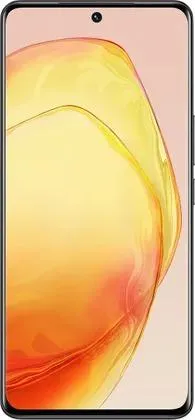

1. Specifications Comparison
| Feature | vivo V29 | Xiaomi Redmi Note 13 Pro+ | Practical Impact |
|---|---|---|---|
| Design | |||
| Dimensions | 164.2 x 74.4 x 7.5 mm | 161.4 x 74.2 x 8.9 mm | Redmi is slightly shorter, narrower, but thicker. V29 likely feels slimmer in hand. |
| Weight | 186g | 199g | Noticeable weight difference; V29 will feel lighter and more comfortable for extended use. |
| Display | |||
| Size | 6.78" | 6.67" | Negligible difference in screen real estate. |
| Type | AMOLED, 1B colors, 120Hz, HDR10+ | AMOLED, 68B colors, 120Hz, Dolby Vision, HDR10+, 1800 nits (peak) | Both offer smooth scrolling and vibrant colors. Redmi's higher peak brightness and Dolby Vision support provide better visibility in sunlight and improved HDR content viewing. Redmi's ability to display more colors may be noticeable in professional photo/video editing but less so in everyday use. |
| Resolution | 1260 x 2800 | 1220 x 2712 | Similar pixel density, resulting in comparable sharpness. V29 is slightly sharper due to higher resolution. |
| Performance | |||
| Chipset | Snapdragon 778G 5G (6 nm) | Dimensity 7200 Ultra (4 nm) | Dimensity 7200 Ultra generally benchmarks higher, especially in GPU performance, leading to smoother gaming and faster demanding tasks. |
| CPU | Octa-core (1x2.4 GHz Cortex-A78 & 3x2.2 GHz Cortex-A78 & 4x1.9 GHz Cortex-A55) | Octa-core (2x2.8 GHz Cortex-A715 & 6x2.0 GHz Cortex-A510) | While core configurations differ, the Dimensity chip likely provides better overall performance due to its newer architecture and higher clock speeds. |
| GPU | Adreno 642L | Mali-G610 MC4 | Redmi likely offers superior graphics performance, benefiting gaming and graphically intensive applications. |
| RAM/Storage | 256GB/8GB RAM | 512GB/8GB RAM, 512GB/12GB RAM, 256GB/12GB RAM | Redmi offers more storage and RAM options, providing flexibility for users needing ample space and smoother multitasking with the 12GB option. |
| Battery | |||
| Capacity | 4600 mAh | 5000 mAh | Redmi's larger battery likely translates to longer usage time on a single charge. |
| Camera | |||
| Video | 4K@30fps, 1080p@30fps | 4K@24/30fps (EIS), 1080p@30/60/120fps (EIS) | Redmi offers more versatile video recording options with higher frame rates and Electronic Image Stabilization (EIS) at various resolutions. Lack of detail on vivo's EIS capabilities makes direct comparison difficult. |
2. Key Differences Analysis
vivo V29 Advantages:
- Lighter and Slimmer: More comfortable for one-handed use and extended periods.
Xiaomi Redmi Note 13 Pro+ Advantages:
- Brighter Display: Better outdoor visibility.
- More Powerful Performance: Smoother gaming and multitasking.
- Larger Battery: Longer battery life.
- More Versatile Video Recording: More frame rate and resolution options with EIS.
- More Storage and RAM Options: Greater flexibility for user needs.
3. User Profiles & Recommendations
vivo V29: Users prioritizing a lightweight, slim phone for everyday use, social media, and light gaming.
Xiaomi Redmi Note 13 Pro+: Users who demand high performance for gaming, demanding applications, and multimedia consumption, and value a long-lasting battery and a bright display. Also suitable for users requiring ample storage.
4. Decision Framework
Key Questions:
- What is your budget and storage requirement? Redmi offers higher storage tiers.
- Is gaming or heavy multitasking a priority? Redmi's superior performance is crucial here.
- How important is battery life and outdoor screen visibility? Redmi excels in both.
My Choice: Xiaomi Redmi Note 13 Pro+
While the vivo V29 offers a slimmer and lighter design, the Redmi Note 13 Pro+ provides a significantly more compelling package overall. Its superior performance, brighter display, larger battery, and more versatile video recording capabilities outweigh the V29's advantages for most users. The availability of higher storage and RAM configurations also adds to its appeal. The slightly thicker and heavier build is a reasonable trade-off for the substantial performance and feature gains.
