1. Specifications Comparison
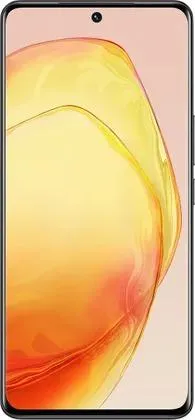
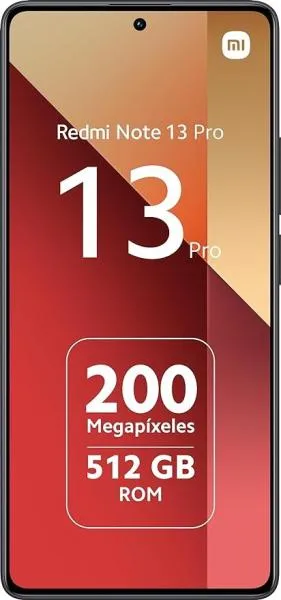
| Feature | vivo V29 | Xiaomi Redmi Note 13 Pro 4G | Practical Impact |
|---|---|---|---|
| Design | |||
| Dimensions | 164.2 x 74.4 x 7.5 mm | 161.1 x 75 x 8 mm | Redmi is slightly shorter and wider, Vivo is thinner. Negligible difference in hand feel. |
| Weight | 186g | 188g | Virtually identical weight, no noticeable difference in usage. |
| Display | |||
| Size | 6.78" | 6.67" | Vivo has a slightly larger display, providing marginally more screen real estate. |
| Type | AMOLED, 1B colors, 120Hz, HDR10+ | AMOLED, 1B colors, 120Hz | Both offer smooth visuals with vibrant colors. HDR10+ on the Vivo offers better dynamic range in supported content. |
| Resolution | 1260 x 2800 | 1080 x 2400 | Significantly sharper and more detailed visuals on the Vivo due to higher pixel density (453 vs 395 ppi). |
| Peak Brightness | Not specified | 1300 nits | Redmi offers superior outdoor visibility due to much higher peak brightness. Vivo's unspecified peak brightness limits our analysis. |
| Performance | |||
| Chipset | Snapdragon 778G 5G (6nm) | Mediatek Helio G99 Ultra | Snapdragon 778G generally offers better performance and efficiency, especially in graphics-intensive tasks. The "Ultra" designation on the Helio G99 doesn't provide concrete information for comparison. |
| CPU | Octa-core (1x2.4 GHz Cortex-A78 & 3x2.2 GHz Cortex-A78 & 4x1.9 GHz Cortex-A55) | Octa-core (2x2.2 GHz Cortex-A76 & 6x2.0 GHz Cortex-A55) | Vivo likely has a performance advantage due to newer CPU architecture and higher clock speeds. |
| GPU | Adreno 642L | Mali-G57 MC2 | Adreno 642L generally provides better gaming and graphics performance compared to the Mali-G57 MC2. |
| RAM/Storage | 256GB/8GB | 256GB/8GB, 512GB/12GB | Redmi offers a higher storage and RAM option (512GB/12GB) for users needing more capacity and multitasking power. |
| Camera | |||
| Video | 4K@30fps, 1080p@30fps | 1080p@30fps, 1080p@60fps | Vivo can record in 4K, offering higher resolution video. Redmi offers 60fps recording at 1080p for smoother slow-motion. No detailed camera specs limit a thorough analysis. |
| Battery | |||
| Capacity | 4600 mAh | 5000 mAh | Redmi boasts a larger battery capacity, potentially leading to longer battery life. Real-world usage will vary. |
2. Key Differences Analysis
Vivo V29 Advantages:
- Sharper Display: Significantly higher resolution leads to a noticeably crisper viewing experience.
- Superior Performance: The Snapdragon 778G offers better overall performance, particularly in demanding tasks and gaming.
- 4K Video Recording: Enables capturing higher resolution videos.
- Potentially Slimmer Profile: While marginal, the thinner design might appeal to some users.
Xiaomi Redmi Note 13 Pro 4G Advantages:
- Brighter Display: Much higher peak brightness ensures excellent outdoor visibility.
- Larger Battery: Potentially longer battery life due to higher capacity.
- More RAM/Storage Options: Provides flexibility for users needing more storage or heavy multitaskers.
- 60fps Video Recording at 1080p: Smoother video recording for slow-motion capture.
3. User Profiles & Recommendations
Vivo V29: Suited for users who prioritize display quality, performance, and having the option for 4K video recording. Ideal for media consumption, gaming, and general use.
Xiaomi Redmi Note 13 Pro 4G: Best for users who need long battery life and excellent outdoor visibility. The higher RAM and storage option caters to power users and those who store a lot of data.
4. Decision Framework
Key Questions for Buyers:
- Is display sharpness or brightness more important? Choose Vivo for sharpness, Redmi for outdoor visibility.
- What is your performance requirement? Vivo offers a clear advantage for demanding tasks and gaming.
- How important is battery life and storage capacity? Redmi offers a larger battery and higher storage options.
My Choice: vivo V29
While the Redmi Note 13 Pro 4G boasts a larger battery and brighter display, the Vivo V29's superior processor (Snapdragon 778G), significantly sharper display (higher resolution), and 4K video recording capability are more compelling to me. I prioritize a smooth and responsive user experience, crisp visuals, and the ability to capture high-quality videos. The slightly smaller battery and potentially lower peak brightness are trade-offs I'm willing to make for these advantages. The lack of concrete brightness information for the Vivo is a concern, but the overall package leans in favor of the Vivo V29 for my personal needs. However, if outdoor visibility and battery life are paramount, the Redmi would be a strong contender.
