1. Specifications Comparison
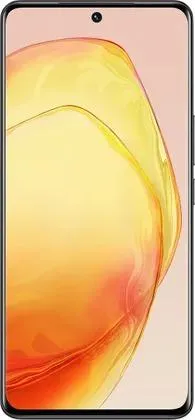
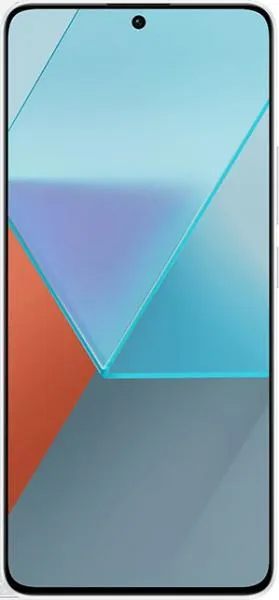
| Feature | vivo V29 | Xiaomi Redmi Note 13 Pro | Practical Impact |
|---|---|---|---|
| Design | |||
| Dimensions (mm) | 164.2 x 74.4 x 7.5 | 161.2 x 74.2 x 8.0 | Redmi Note 13 Pro is slightly shorter and wider, but noticeably thicker. V29 might feel more sleek in hand. |
| Weight (g) | 186 | 187 | Negligible weight difference; both phones are relatively lightweight. |
| Build Materials | Not specified | Not specified | Cannot compare build quality and durability without this information. |
| Display | |||
| Size (inches) | 6.78 | 6.67 | V29 offers a slightly larger screen for more immersive content consumption. |
| Type | AMOLED, 1B colors, 120Hz, HDR10+ | AMOLED, 68B colors, 120Hz, Dolby Vision, HDR10+ | Both offer smooth 120Hz AMOLED displays. Redmi Note 13 Pro boasts a wider color gamut (68B vs 1B) and Dolby Vision, potentially resulting in more vibrant and accurate colors. |
| Resolution | 1260 x 2800 | 1220 x 2712 | V29 has a slightly sharper display due to higher resolution, but the difference is minimal in real-world usage. |
| Peak Brightness (nits) | Not specified | 1800 | Redmi Note 13 Pro's significantly higher peak brightness ensures better visibility in direct sunlight. The lack of this spec for the V29 makes a direct comparison impossible. |
| Performance | |||
| Chipset | Snapdragon 778G 5G (6nm) | Snapdragon 7s Gen 2 (4nm) | While the 7s Gen 2 is built on a smaller node (4nm vs 6nm) suggesting better power efficiency, the 778G generally benchmarks higher in terms of performance. Real-world performance differences might be subtle and depend on specific tasks. |
| CPU | Octa-core (1x2.4 GHz Cortex-A78 & 3x2.2 GHz Cortex-A78 & 4x1.9 GHz Cortex-A55) | Octa-core (4x2.40 GHz Cortex-A78 & 4x1.95 GHz Cortex-A55) | Both are octa-core CPUs, but architectural differences exist. Benchmarking would be needed to determine noticeable performance gaps. |
| GPU | Adreno 642L | Adreno 710 | Adreno 710 generally provides better graphics performance than the 642L, benefiting gaming and graphically demanding tasks. |
| RAM/Storage | 256GB/8GB | 512GB/12GB, 256GB/8GB, 256GB/12GB | Redmi Note 13 Pro offers more RAM and storage options, providing flexibility for users with high storage and multitasking needs. |
| Battery | |||
| Capacity (mAh) | 4600 | 5100 | Redmi Note 13 Pro has a significantly larger battery, likely resulting in longer battery life. |
| Camera | |||
| Video Capabilities | 4K@30fps, 1080p@30fps | 4K@30fps (EIS), 1080p@30fps (EIS), 1080p@60fps (EIS), 1080p@120fps (EIS) | Redmi Note 13 Pro offers more video recording options, including EIS (Electronic Image Stabilization) at various resolutions and frame rates, potentially resulting in smoother videos. Detailed camera sensor specifications are needed for a thorough comparison. |
2. Key Differences Analysis
vivo V29 Advantages:
- Slightly Sharper Display: Higher resolution, though minimally noticeable.
- Potentially Faster CPU: Benchmarking is required for confirmation.
- Possibly Slimmer Design: Could feel more comfortable for some users.
Xiaomi Redmi Note 13 Pro Advantages:
- Brighter Display: Significantly higher peak brightness for better outdoor visibility.
- Larger Battery: Potentially longer battery life.
- More RAM and Storage Options: Caters to power users and those needing ample storage.
- More Versatile Video Recording: Offers EIS and various frame rate/resolution options.
- Wider Color Gamut: 68B colors provide more vibrant and accurate colors.
3. User Profiles & Recommendations
vivo V29: Users prioritizing a potentially slimmer design and slightly sharper display.
Xiaomi Redmi Note 13 Pro: Users prioritizing battery life, brighter display for outdoor use, more storage options, and versatile video recording capabilities. Gamers might also prefer this due to the better GPU.
4. Decision Framework
Key Questions for Buyers:
- How important is battery life? Redmi Note 13 Pro offers a larger battery.
- Do you frequently use your phone outdoors in bright sunlight? The Redmi Note 13 Pro's superior brightness is crucial here.
- What is your budget and storage requirement? The Redmi Note 13 Pro offers more storage and RAM options.
My Choice: Xiaomi Redmi Note 13 Pro
While lacking complete information (build materials, detailed camera specs, V29 brightness), the Redmi Note 13 Pro offers a more compelling package based on the available data. The significantly brighter display, larger battery, and greater flexibility in RAM/storage options outweigh the V29's minor advantages in resolution and potential slimness. The superior video recording capabilities and wider color gamut of the Redmi Note 13 Pro further solidify its position as the better choice for me. The potential performance advantage of the V29's 778G needs to be confirmed with real-world tests and may not be significant for average users. However, I acknowledge that if slimness and a potentially slightly faster processor are top priorities, the V29 might be preferred.
