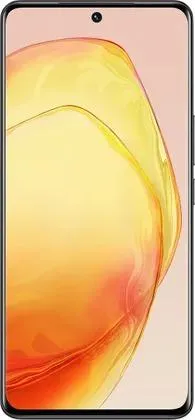
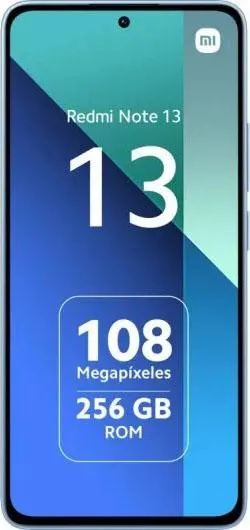
1. Specifications Comparison
| Feature | vivo V29 | Xiaomi Redmi Note 13 4G | Practical Impact |
|---|---|---|---|
| Design | |||
| Dimensions (mm) | 164.2 x 74.4 x 7.5 | 162.3 x 75.6 x 8 | The Redmi is slightly shorter and wider, but thicker than the Vivo. Negligible difference in hand feel. |
| Weight (g) | 186 | 188.5 | Virtually identical weight; insignificant difference in real-world usage. |
| Build Materials | Not specified | Not specified | Cannot compare build quality and durability without material information. |
| Display | |||
| Size (inches) | 6.78 | 6.67 | Marginally larger display on the Vivo, offering slightly more screen real estate. |
| Type | AMOLED, 1B colors, 120Hz, HDR10+ | AMOLED, 120Hz | Both AMOLED with 120Hz refresh rate for smooth visuals. Vivo supports 1 billion colors and HDR10+ for superior color accuracy and dynamic range, resulting in a more vibrant and immersive viewing experience. |
| Resolution | 1260 x 2800 | 1080 x 2400 | Significantly sharper display on the Vivo (453 ppi vs 395 ppi), resulting in crisper text and images. |
| Peak Brightness (nits) | Not specified | 1800 | The Redmi offers significantly higher peak brightness, ensuring better visibility in direct sunlight. Vivo's unspecified brightness limits comparison. |
| Performance | |||
| Chipset | Snapdragon 778G 5G (6 nm) | Snapdragon 685 (6 nm) | The 778G in the Vivo is a more powerful chipset, offering noticeably better performance in demanding tasks and gaming. |
| CPU | Octa-core (1x2.4 GHz A78 & 3x2.2 GHz A78 & 4x1.9 GHz A55) | Octa-core (4x2.8 GHz A73 & 4x1.9 GHz A53) | Vivo's CPU architecture is more modern and efficient, resulting in better overall performance and potentially longer battery life. |
| GPU | Adreno 642L | Adreno 610 | The Vivo has a superior GPU, enabling smoother gaming and faster graphics rendering. |
| RAM | 8GB | 8GB | Same RAM capacity; multitasking performance should be similar. |
| Storage | 256GB | 128GB/256GB | Vivo offers only a 256 GB option, while Redmi offers more flexibility with 128GB and 256GB options. |
| Camera | |||
| Rear Camera | Not specified | Not specified | Insufficient information to compare camera quality and features. |
| Front Camera | Not specified | Not specified | Insufficient information to compare selfie camera quality and features. |
| Video | 4K@30fps, 1080p@30fps | 1080p@30fps | Vivo can record in 4K resolution, offering higher quality video recording compared to Redmi's 1080p. |
| Battery | |||
| Capacity (mAh) | 4600 | 5000 | Larger battery in the Redmi likely translates to longer battery life. |
2. Key Differences Analysis
vivo V29 Advantages:
- Superior Display: Sharper resolution, 1 billion colors, and HDR10+ support deliver a significantly better visual experience.
- Significantly Better Performance: The Snapdragon 778G and Adreno 642L provide a noticeable performance advantage for demanding tasks and gaming.
- 4K Video Recording: Enables capturing higher-quality videos.
Xiaomi Redmi Note 13 4G Advantages:
- Higher Peak Brightness: Better visibility outdoors in bright sunlight.
- Larger Battery: Potentially longer battery life.
- Storage Options: Offers more storage configurations to suit different needs and budgets.
Trade-offs:
- Vivo V29: Smaller battery despite a more power-hungry display and potentially higher price for the 256GB model. Unspecified peak brightness is a critical missing data point.
- Redmi Note 13 4G: Lower resolution display, less powerful processor, limited to 1080p video recording.
3. User Profiles & Recommendations
vivo V29: Suitable for users who prioritize display quality, performance, and multimedia consumption (e.g., gaming, video streaming).
Redmi Note 13 4G: Best for users who prioritize battery life, outdoor visibility, and affordability. Suitable for everyday tasks like browsing, social media, and casual photography.
4. Decision Framework
Key Questions:
- What is your budget? (Consider the price difference between storage options for the Redmi).
- What are your primary use cases? (Gaming, photography, social media, etc.)
- Which features are most important to you? (Display quality, battery life, performance, camera)
Scenario-based Recommendations:
- Heavy gamer: Vivo V29 for its superior performance.
- Outdoor enthusiast: Redmi Note 13 4G for its brighter display and larger battery.
- Budget-conscious user with basic needs: Redmi Note 13 4G (128GB version).
My Choice: vivo V29
While the Redmi Note 13 4G offers a larger battery and brighter display, the vivo V29's significant advantages in display quality and performance are more compelling to me. The sharper resolution, HDR10+, and more powerful processor would provide a noticeably better user experience for my daily use, which includes gaming, media consumption, and multitasking. I am willing to compromise slightly on battery life for the enhanced visual and performance capabilities of the Vivo V29. The lack of peak brightness information for the Vivo is concerning, but the overall package leans towards the Vivo for my use case.
