1. Specifications Comparison
| Feature | vivo V29 | Xiaomi Redmi Note 13 | Practical Impact | |
|---|---|---|---|---|
| Design | ||||
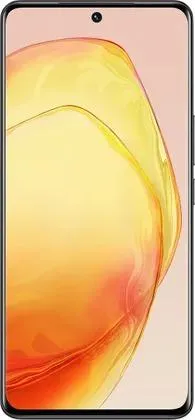
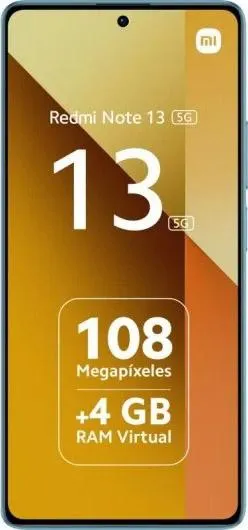
| Dimensions | 164.2 x 74.4 x 7.5 mm | 161.1 x 75 x 7.6 mm | Redmi Note 13 is slightly shorter and narrower but a hair thicker. Negligible difference in hand feel. | |
| Weight | 186g | 174.5g | Redmi Note 13 is noticeably lighter, reducing hand fatigue during extended use. | |
| Fingerprint Sensor | Under display | Side-mounted | Preference-based; under-display feels more modern, side-mounted can be quicker to access. | |
| Display | ||||
| Size | 6.78" | 6.67" | V29 offers a slightly larger screen for more immersive media consumption. | |
| Type | AMOLED, 1B colors, 120Hz, HDR10+ | AMOLED, 1B colors*, 120Hz | Both offer smooth scrolling and vibrant colors; V29's HDR10+ support provides better contrast and color accuracy in compatible content. The asterisk next to "1B colors" on the Redmi Note 13 suggests this might be an estimated or marketing value, not a confirmed specification. | |
| Resolution | 1260 x 2800 | 1080 x 2400 | V29 has a significantly sharper display (453 ppi vs 395 ppi), resulting in crisper text and images. | |
| Peak Brightness | Not specified | 1000 nits | Redmi Note 13's higher peak brightness ensures better visibility in direct sunlight. Lack of data for the V29 prevents a direct comparison. | |
| Performance | ||||
| Chipset | Snapdragon 778G 5G (6nm) | MediaTek Dimensity 6080 (6nm) | Snapdragon 778G generally offers better performance and efficiency, especially in gaming and demanding tasks. | |
| CPU | Octa-core (1x2.4 GHz Cortex-A78 & 3x2.2 GHz Cortex-A78 & 4x1.9 GHz Cortex-A55) | Octa-core (2x2.4 GHz Cortex-A76 & 6x2.0 GHz Cortex-A55) | V29's CPU architecture is more modern and powerful than the Redmi Note 13. | |
| GPU | Adreno 642L | Mali-G57 MC2 | Adreno 642L generally provides better graphics performance for smoother gaming and faster rendering. | |
| RAM | 8GB | 8GB/12GB | Redmi Note 13 offers a 12GB RAM option for enhanced multitasking; 8GB is generally sufficient for most users. | |
| Storage | 256GB | 256GB | Both offer ample storage. | |
| Camera | ||||
| Video Capabilities | 4K@30fps, 1080p@30fps | 1080p@30fps | V29 can record videos in 4K resolution, offering higher detail. Specific sensor and lens information is missing for both phones, making a comprehensive camera comparison impossible. | |
| Battery | ||||
| Capacity | 4600 mAh | 5000 mAh | Redmi Note 13's larger battery capacity suggests longer battery life. Real-world usage may vary. |
2. Key Differences Analysis
vivo V29 Advantages:
- Superior Display: Sharper resolution, HDR10+ support for richer visuals.
- Better Performance: More powerful chipset and GPU for smoother overall experience and gaming.
- 4K Video Recording: Captures higher-quality videos.
Xiaomi Redmi Note 13 Advantages:
- Larger Battery: Potentially longer battery life.
- Lighter Weight: More comfortable for extended use.
- Lower Price: Offers good value for its specifications.
- Higher RAM Option: 12GB RAM variant available for heavy multitasking.
Trade-offs:
- V29: Higher price for better display and performance. Missing peak brightness information hinders complete evaluation.
- Redmi Note 13: Lower resolution display, less powerful processor, no 4K video recording. Questionable "1 Billion colors" claim due to the asterisk.
3. User Profiles & Recommendations
vivo V29: Users who prioritize display quality, performance, and multimedia creation (4K video). Suitable for gaming, content consumption, and demanding tasks.
Xiaomi Redmi Note 13: Budget-conscious users who prioritize battery life and comfortable handling. Suitable for everyday tasks, social media, and light gaming. The 12GB RAM option is good for power users on a budget.
4. Decision Framework
Key Questions:
- What is your budget? The Redmi Note 13 is a more affordable option.
- What are your primary use cases? Gaming and media consumption favor the V29; basic tasks and long battery life favor the Redmi Note 13.
- Which features are most important to you? Prioritize display quality and performance (V29) or battery life and affordability (Redmi Note 13).
My Choice: vivo V29
While the Redmi Note 13 offers excellent value, I would choose the vivo V29. The superior display, significantly better performance (crucial for long-term usability), and 4K video recording are compelling advantages. I prioritize a smooth, responsive user experience and high-quality visuals, and I'm willing to pay a bit more for that. The slightly smaller battery is a reasonable trade-off for me. The lack of peak brightness information for the V29 is concerning, but the other advantages outweigh this for my personal needs. The Redmi Note 13's asterisk next to the 1 Billion colors specification also lowers my confidence in its display quality.
