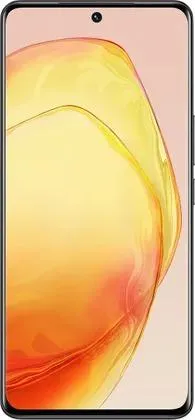
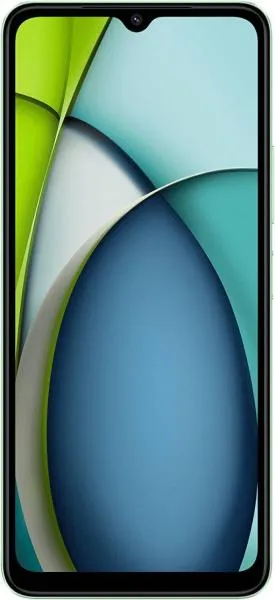
1. Specifications Comparison
| Feature | vivo V29 | Xiaomi Redmi A3x | Practical Impact |
|---|---|---|---|
| Design | |||
| Dimensions (mm) | 164.2 x 74.4 x 7.5 | 168.4 x 76.3 x 8.3 | The Redmi A3x is noticeably larger and thicker. The Vivo V29 will likely feel more premium and pocketable. |
| Weight (g) | 186 | 193 | The Vivo V29 is slightly lighter. |
| Fingerprint Sensor | Under Display | Side-mounted | Under-display sensors are generally perceived as more modern and convenient. |
| Display | |||
| Display Type | AMOLED, 1B colors, 120Hz | IPS LCD, 90Hz | The Vivo V29's AMOLED offers significantly better contrast, color accuracy, and deeper blacks, resulting in a superior visual experience. |
| Resolution | 1260 x 2800 | 720 x 1650 | Much sharper and more detailed visuals on the Vivo V29. The Redmi A3x's resolution is noticeably low for its size. |
| Refresh Rate | 120Hz | 90Hz | Smoother animations and scrolling on the Vivo V29, noticeable in everyday use. |
| PPI Density | 453 | 268 | Significantly sharper text and images on the Vivo V29. |
| Performance | |||
| Chipset | Snapdragon 778G 5G (6 nm) | Unisoc T603 (22 nm) | The Vivo V29 offers substantially better performance in all tasks, including gaming and multitasking. |
| CPU | Octa-core (2.4 GHz) | Octa-core (1.8 GHz) | The Vivo V29's CPU has higher clock speeds and a more powerful architecture, resulting in significantly faster performance. |
| GPU | Adreno 642L | Mali-G57 MP1 | The Vivo V29's GPU offers much better gaming and graphics performance. |
| RAM | 8GB | 4GB | More RAM on the Vivo V29 allows for smoother multitasking and less frequent app reloading. |
| Storage | 256GB | 128GB | Double the storage on the Vivo V29 provides ample space for apps, photos, and videos. |
| Camera | |||
| Video Capabilities | 4K@30fps | 1080p@30fps | The Vivo V29 can record higher resolution videos. |
| Battery | |||
| Capacity | 4600 mAh | 5000 mAh | Larger battery capacity on the Redmi A3x suggests potentially longer battery life, but real-world usage will depend on other factors. |
| Other | |||
| NFC | Yes | No | The Vivo V29 supports contactless payments and data transfer. |
| OS | Android 13 | Android 14 | Both phones run relatively recent Android versions, though software support timelines are unclear. |
2. Key Differences Analysis
Vivo V29 Advantages:
- Significantly better display: AMOLED with higher resolution, refresh rate, and superior color accuracy.
- Much higher performance: More powerful chipset, CPU, and GPU for smoother multitasking and gaming.
- Larger storage capacity: Double the storage of the Redmi A3x.
- NFC support: Enables contactless payments and data transfer.
- More premium design: Slimmer and lighter build.
Redmi A3x Advantages:
- Larger battery capacity: Potentially longer battery life.
- Lower price: Significantly more affordable.
Trade-offs:
- The Redmi A3x sacrifices performance, display quality, and features like NFC for a lower price point.
- The Vivo V29 has a smaller battery but offers a vastly superior user experience in most other areas.
3. User Profiles & Recommendations
Vivo V29: Users who prioritize performance, a high-quality display, ample storage, and premium features like NFC. Suitable for gaming, media consumption, multitasking, and mobile photography enthusiasts.
Redmi A3x: Users on a tight budget who prioritize basic functionality and long battery life. Suitable for light usage such as calling, texting, browsing, and social media.
4. Decision Framework
Key Questions:
- What is your budget? The price difference is significant.
- What are your primary smartphone usage patterns? Gaming, media consumption, or basic communication?
- Which features are most important to you? Display quality, performance, battery life, or NFC?
Scenario-Based Recommendations:
- Heavy User: If you are a power user, the Vivo V29 is the clear choice despite the higher price.
- Budget-Conscious Light User: If budget is extremely limited and your usage is light, the Redmi A3x is a viable option.
- Balanced User: If you seek a balance between price and performance, leaning towards a better overall experience, the Vivo V29 is recommended.
My Choice: vivo V29
While the Redmi A3x offers a larger battery and lower price, the Vivo V29's vastly superior display, performance, and overall feature set make it the clear winner for me. I prioritize a smooth and enjoyable user experience, and the V29 delivers that in spades. The AMOLED display, 120Hz refresh rate, powerful processor, and ample storage would significantly enhance my daily usage. The slightly smaller battery is a trade-off I'm willing to make for the significant performance and feature advantages. The inclusion of NFC for contactless payments is also a major plus. Ultimately, the V29 offers a much more compelling and future-proof package.
