1. Specifications Comparison
| Feature | vivo V29 | Xiaomi Redmi 14C | Practical Impact |
|---|---|---|---|
| Design | |||
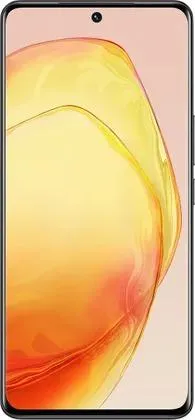
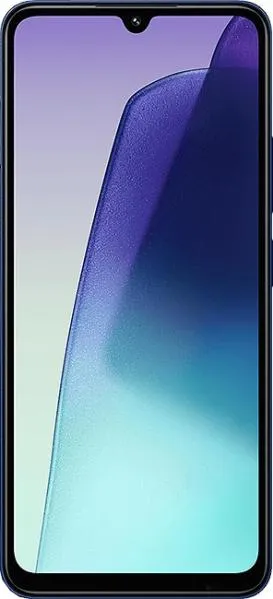
| Dimensions (mm) | 164.2 x 74.4 x 7.5 | 171.9 x 77.8 x 8.2 | The Redmi 14C is noticeably larger and thicker. The Vivo V29 will be more pocketable and easier to handle. |
| Weight (g) | 186 | 211 | The Vivo V29 is significantly lighter, reducing hand fatigue during extended use. |
| Fingerprint Sensor | Under display | Side-mounted | Preference-based, though under-display is often perceived as more premium. |
| Display | |||
| Display Type | AMOLED, 1B colors, 120Hz, HDR10+ | IPS LCD, 120Hz | The V29's AMOLED offers significantly better contrast, deeper blacks, and more vibrant colors. HDR10+ support also provides a superior viewing experience for compatible content. |
| Size (inches) | 6.78 | 6.88 | Negligible size difference in practical use. |
| Resolution | 1260 x 2800 | 720 x 1640 | The V29 boasts a much sharper display with significantly higher pixel density (453 PPI vs 260 PPI). Text and images will appear crisper and more detailed. |
| Refresh Rate (Hz) | 120 | 120 | Both phones offer smooth scrolling and animations thanks to the 120Hz refresh rate. |
| Peak Brightness | Not specified | 600 nits (HBM) | We cannot compare peak brightness due to missing information for the V29. This impacts outdoor visibility. |
| Performance | |||
| Chipset | Snapdragon 778G 5G (6 nm) | Mediatek Helio G81 Ultra | The Snapdragon 778G is generally considered a more powerful and efficient chipset than the Helio G81, resulting in smoother performance, better gaming capabilities, and improved battery life. |
| CPU | Octa-core (1x2.4 GHz Cortex-A78 & 3x2.2 GHz Cortex-A78 & 4x1.9 GHz Cortex-A55) | Octa-core (2x2.0 GHz Cortex-A75 & 6x1.8 GHz Cortex-A55) | The V29's CPU architecture and higher clock speeds suggest a performance advantage in demanding tasks and multitasking. |
| GPU | Adreno 642L | Mali-G52 MC2 | The Adreno 642L generally offers better gaming performance compared to the Mali-G52 MC2. |
| RAM/Storage | 256GB/8GB RAM | 128GB/6GB RAM, 128GB/8GB RAM | V29 offers more base storage. RAM options are comparable, though the V29's performance advantages might make its 8GB RAM more effective. |
| Battery | |||
| Capacity (mAh) | 4600 | 5160 | The Redmi 14C has a larger battery capacity, potentially leading to longer battery life. However, real-world battery life depends on various factors including display, chipset efficiency, and software optimization. |
2. Key Differences Analysis
vivo V29 Advantages:
- Superior Display: Significantly sharper, more vibrant, and with HDR10+ support.
- Stronger Performance: More powerful chipset and GPU for smoother overall experience and better gaming.
- More Premium Design: Slimmer, lighter, and features an under-display fingerprint sensor.
- Larger Base Storage: 256GB offers ample space for apps and files.
Xiaomi Redmi 14C Advantages:
- Larger Battery: Potentially longer battery life, although real-world usage will vary.
- Lower Price (Inferred): Typically, Redmi devices are priced lower than Vivo's V series.
3. User Profiles & Recommendations
vivo V29: Users who prioritize display quality, performance, and a premium design. Suitable for gaming, media consumption, and multitasking.
Xiaomi Redmi 14C: Users who prioritize battery life and affordability. Suitable for basic tasks, social media, and light gaming. Best for budget-conscious buyers.
4. Decision Framework
Key Questions for Buyers:
- What is your budget? The V29 is likely more expensive.
- What are your primary use cases? Gaming and media consumption favor the V29. Basic tasks and long battery life favor the Redmi 14C.
- How important is display quality and overall performance? The V29 significantly outperforms the Redmi 14C in these areas.
My Choice: vivo V29
While the Redmi 14C offers a larger battery, the V29's superior display, significantly better performance, and more premium design are compelling advantages for me. I prioritize a smooth user experience, vibrant visuals, and a comfortable device to hold. The extra storage in the V29 is also a welcome bonus. While battery life is important, I'm willing to potentially sacrifice some longevity for the overall enhanced user experience offered by the V29. The Snapdragon 778G's efficiency might also minimize the battery difference in real-world use.
