1. Specifications Comparison
| Feature | vivo V29 | Xiaomi Redmi 13 | Practical Impact |
|---|---|---|---|
| Design | |||
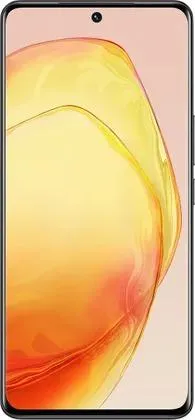
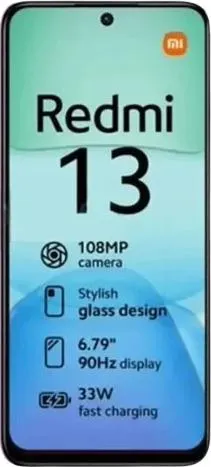
| Dimensions (mm) | 164.2 x 74.4 x 7.5 | 168.6 x 76.3 x 8.3 | The Vivo V29 is noticeably smaller and thinner, making it more pocketable and easier to handle. |
| Weight (g) | 186 | 205 | The Vivo V29 is lighter, contributing to a more comfortable one-handed use. |
| Fingerprint Sensor | Under Display | Side-mounted | Preference-based, but under-display is often perceived as more modern. |
| Display | |||
| Display Type | AMOLED, 1B colors, 120Hz, HDR10+ | IPS LCD, 90Hz, 550 nits (HBM) | The Vivo V29's AMOLED offers significantly better contrast, richer colors, and true blacks, resulting in a more vibrant viewing experience. The 120Hz refresh rate provides smoother scrolling and animations compared to the Redmi 13's 90Hz. HDR10+ support on the V29 further enhances video quality. |
| Resolution | 1260 x 2800 | 1080 x 2460 | The Vivo V29 boasts a sharper display with higher pixel density (453 ppi vs 396 ppi), leading to crisper text and images. |
| Size (inches) | 6.78 | 6.79 | Negligible difference in screen size. |
| Performance | |||
| Chipset | Snapdragon 778G 5G (6 nm) | Mediatek Helio G91 Ultra (12 nm) | The Snapdragon 778G is generally considered a more powerful and efficient chip than the Helio G91, resulting in better performance for demanding tasks and potentially longer battery life. |
| CPU | Octa-core (1x2.4 GHz Cortex-A78 & 3x2.2 GHz Cortex-A78 & 4x1.9 GHz Cortex-A55) | Octa-core (2x2.0 GHz Cortex-A75 & 6x1.8 GHz Cortex-A55) | The Snapdragon 778G's CPU architecture is newer and more powerful. |
| GPU | Adreno 642L | Mali-G52 MC2 | The Adreno 642L offers better graphics performance for gaming and other visually intensive tasks. |
| RAM | 8GB | 8GB | Same RAM capacity. |
| Storage | 256GB | 256GB | Same storage capacity. |
| Camera | |||
| Video Capabilities | 4K@30fps, 1080p@30fps | 1080p@30fps | The Vivo V29 can record video in 4K resolution, offering higher detail compared to the Redmi 13's 1080p recording. Missing detailed camera specs limit a thorough comparison. |
| Battery | |||
| Capacity (mAh) | 4600 | 5030 | The Redmi 13 has a larger battery capacity, potentially translating to longer battery life. However, real-world battery life depends on various factors, including software optimization and display usage. |
2. Key Differences Analysis
vivo V29 Advantages:
- Superior Display: AMOLED with 120Hz, HDR10+, and higher resolution provides a significantly better visual experience.
- More Powerful Performance: Snapdragon 778G offers smoother multitasking and better gaming capabilities.
- Sleeker Design: Smaller, thinner, and lighter build.
- 4K Video Recording: Captures higher-quality video.
Xiaomi Redmi 13 Advantages:
- Larger Battery: Potentially longer battery life.
- Lower Price: Falls in a lower price bracket.
3. User Profiles & Recommendations
vivo V29: Users who prioritize display quality, performance, and a premium design. Suitable for:
- Multimedia enthusiasts: Enjoying movies, photos, and games.
- Power users: Demanding tasks and multitasking.
Xiaomi Redmi 13: Budget-conscious users who prioritize battery life and basic functionality. Suitable for:
- Casual users: Primarily using for communication, social media, and light browsing.
- Battery life focused users: Need a phone that lasts all day.
4. Decision Framework
Key Questions for Buyers:
- What is your budget? The Redmi 13 is significantly cheaper.
- What are your priorities? Performance and display vs. battery life and affordability.
- What are your typical usage patterns? Demanding tasks and multimedia consumption vs. basic usage and communication.
My Choice: vivo V29
While the Redmi 13 offers a larger battery and lower price, the vivo V29's superior display, significantly better performance, and more refined design make it the better overall choice for me. I prioritize a smooth and enjoyable user experience, and the V29's AMOLED display, 120Hz refresh rate, and powerful Snapdragon chip deliver that. The price difference is justifiable for the noticeable upgrade in quality. The slimmer form factor also aligns with my preference for a more pocketable device. While battery life is important, I'd rather carry a power bank if needed than compromise on performance and display quality.
