1. Specifications Comparison
| Feature | vivo V29 | Xiaomi Poco X6 | Practical Impact |
|---|---|---|---|
| Design | |||
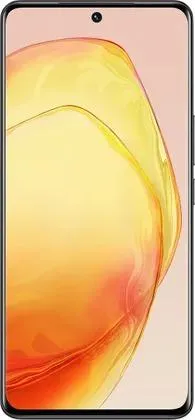
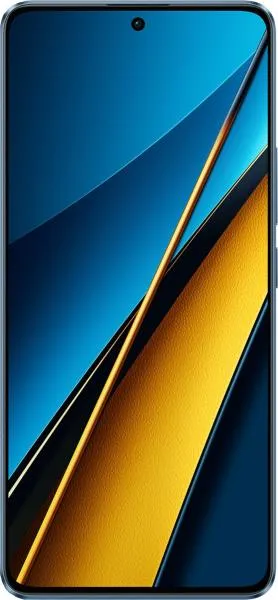
| Dimensions (mm) | 164.2 x 74.4 x 7.5 | 161.2 x 74.3 x 8 | Poco X6 is slightly shorter and thinner, but a bit thicker overall. Negligible difference in hand feel. |
| Weight (g) | 186 | 181 | Poco X6 is marginally lighter, but the difference is unlikely to be noticeable. |
| Build Materials | Not specified | Not specified | Cannot compare build quality and durability without this information. |
| Display | |||
| Size (inches) | 6.78 | 6.67 | V29 has a slightly larger display, offering a marginally more immersive experience. |
| Type | AMOLED, 1B colors, 120Hz, HDR10+ | AMOLED, 68B colors, 120Hz, Dolby Vision, HDR10+ | Both offer smooth scrolling and vibrant colors. Poco X6 supports Dolby Vision and higher peak brightness, resulting in potentially better HDR performance and outdoor visibility. |
| Resolution | 1260 x 2800 | 1220 x 2712 | V29 has a slightly higher resolution, but both are sharp and detailed at this size. Difference in pixel density is negligible. |
| Peak Brightness (nits) | Not specified | 1800 | Poco X6's significantly higher peak brightness ensures excellent outdoor readability, even in direct sunlight. Lack of data for V29 prevents a complete comparison. |
| Performance | |||
| Chipset | Snapdragon 778G 5G (6 nm) | Snapdragon 7s Gen 2 (4 nm) | Poco X6's newer, 4nm chipset likely offers better power efficiency and potentially slightly improved performance. Real-world difference might be minimal for average users. |
| CPU | Octa-core (1x2.4 GHz A78 & 3x2.2 GHz A78 & 4x1.9 GHz A55) | Octa-core (4x2.4 GHz A78 & 4x1.95 GHz A55) | Core configurations are slightly different. Benchmarking would be needed for definitive performance comparison. |
| GPU | Adreno 642L | Adreno 710 | Poco X6 likely has a more powerful GPU based on the specifications, resulting in potentially smoother gaming performance. |
| RAM | 8GB | 12GB | Poco X6's larger RAM allows for more apps to run in the background and better multitasking performance. |
| Storage | 256GB | 256GB/512GB | Poco X6 offers a 512GB option for users needing more storage space. |
| Battery | |||
| Capacity (mAh) | 4600 | 5100 | Poco X6 has a significantly larger battery, potentially leading to much longer battery life. |
| Camera | |||
| Video Capabilities | 4K@30fps, 1080p@30fps | 4K@30fps (EIS), 1080p@30/60fps (EIS) | Both can record 4K video. Poco X6 offers Electronic Image Stabilization (EIS) at all resolutions and higher frame rate options for smoother videos. Detailed camera sensor specs are needed for in-depth comparison. |
2. Key Differences Analysis
vivo V29 Advantages:
- Slightly larger display: Marginally more immersive.
- Slightly higher resolution: Negligibly sharper image.
Xiaomi Poco X6 Advantages:
- Brighter display: Significantly better outdoor visibility.
- More powerful and efficient chipset: Smoother performance and better battery life.
- Larger RAM: Improved multitasking.
- Larger battery: Significantly longer usage time.
- More storage options: Up to 512GB available.
- Video stabilization: Smoother video recording.
Trade-offs:
- Poco X6's slightly thicker body. This is a minor trade-off for a larger battery.
3. User Profiles & Recommendations
vivo V29: Users prioritizing a slightly larger display and who are not heavy users.
Xiaomi Poco X6: Users prioritizing performance, battery life, brighter display, and smoother video recording; suitable for gamers, power users, and those who frequently use their phone outdoors.
4. Decision Framework
Key Questions:
- What is your budget? Both are mid-range, but specific pricing is needed.
- How important is battery life and performance to you?
- Do you frequently use your phone outdoors in bright sunlight?
Scenario-Based Recommendations:
- Heavy user: Poco X6 for its larger battery and RAM.
- Outdoor use: Poco X6 for its brighter display.
- Budget-conscious: Price comparison is crucial, as both offer good value in the mid-range segment.
My Choice: Xiaomi Poco X6
The Poco X6 offers significant advantages in key areas like performance, battery life, and display quality. The brighter display, larger battery, and more powerful chipset outweigh the V29's slightly larger display and marginally higher resolution. The inclusion of video stabilization is another crucial factor for everyday use. While a detailed camera sensor comparison is missing, the Poco X6 appears to be a more well-rounded device for most users. The 12GB RAM is a huge advantage for future-proofing and multitasking. Finally, the more advanced processor node (4nm vs 6nm) will likely result in tangible benefits in battery life.
