1. Specifications Comparison
| Feature | vivo V29 | Xiaomi Poco M6 4G | Practical Impact |
|---|---|---|---|
| Design | |||
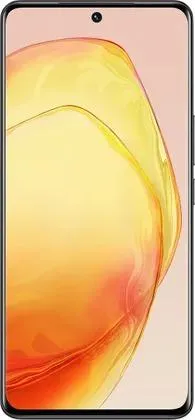
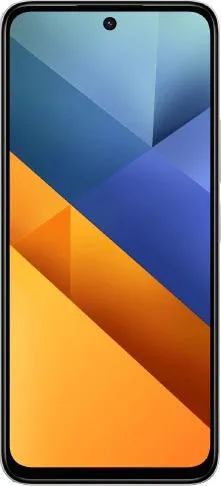
| Dimensions (mm) | 164.2 x 74.4 x 7.5 | 168.6 x 76.3 x 8.3 | The Vivo V29 is noticeably smaller and thinner, making it more pocketable and easier to handle. |
| Weight (g) | 186 | 205 | The Vivo V29 is significantly lighter, reducing hand fatigue during extended use. |
| Fingerprint Sensor | Under-display | Side-mounted | Preference-based, but under-display is often perceived as more modern. Side-mounted can be quicker to access. |
| Display | |||
| Display Type | AMOLED, 1B colors, 120Hz, HDR10+ | IPS LCD, 90Hz, 550 nits (HBM) | The Vivo V29's AMOLED offers superior contrast, deeper blacks, and more vibrant colors. Its 120Hz refresh rate provides smoother animations and scrolling compared to the Poco M6's 90Hz. HDR10+ support on the V29 results in better dynamic range in supported content. |
| Resolution | 1260 x 2800 | 1080 x 2460 | The Vivo V29 boasts a sharper display with higher pixel density (453 ppi vs 396 ppi), resulting in crisper text and images. |
| Size | 6.78" | 6.79" | Negligible difference in screen size. |
| Performance | |||
| Chipset | Snapdragon 778G 5G (6 nm) | MediaTek Helio G91 Ultra (12 nm) | The Snapdragon 778G generally offers better performance and efficiency due to its superior architecture and manufacturing process. This translates to smoother multitasking, faster app loading, and better gaming performance. |
| CPU | Octa-core (1x2.4 GHz Cortex-A78 & 3x2.2 GHz Cortex-A78 & 4x1.9 GHz Cortex-A55) | Octa-core (2x2.0 GHz Cortex-A75 & 6x1.8 GHz Cortex-A55) | The 778G's CPU configuration with newer Cortex-A78 cores provides a significant performance advantage over the Helio G91 Ultra. |
| GPU | Adreno 642L | Mali-G52 MC2 | The Adreno 642L offers better graphics performance, leading to a smoother gaming experience and better handling of graphically intensive tasks. |
| RAM | 8GB | 8GB | Same RAM capacity, meaning similar multitasking capabilities. |
| Storage | 256GB | 256GB | Same storage capacity. |
| Camera | |||
| Video Capabilities | 4K@30fps, 1080p@30fps | 1080p@30fps | The Vivo V29 can record videos at a higher 4K resolution, offering more detail and clarity. No detailed camera specs are available for comparison beyond video capabilities. |
| Battery | |||
| Capacity | 4600 mAh | 5030 mAh | The Poco M6 4G has a larger battery, potentially offering longer battery life. However, real-world battery life depends on various factors including display, chipset efficiency, and software optimization. |
2. Key Differences Analysis
Vivo V29 Advantages:
- Superior Display: AMOLED with 120Hz, HDR10+, and higher resolution provides a significantly better visual experience.
- Significantly Better Performance: Snapdragon 778G outperforms the Helio G91 Ultra in processing power and graphics rendering.
- More Compact and Lightweight Design: Easier to handle and carry.
- 4K Video Recording: Offers higher resolution video capture.
Xiaomi Poco M6 4G Advantages:
- Larger Battery: Potentially longer battery life, but real-world usage will vary.
- Lower Price: Positioned in the "low price" range, offering better affordability.
3. User Profiles & Recommendations
Vivo V29: Users who prioritize performance, display quality, a premium feel, and a compact design. Suitable for gaming, multimedia consumption, and demanding tasks.
Xiaomi Poco M6 4G: Budget-conscious users who prioritize battery life and basic functionality. Suitable for everyday tasks like calling, texting, browsing, and light media consumption.
4. Decision Framework
Key Questions for Buyers:
- What is your budget? The Poco M6 4G is significantly more affordable.
- What are your performance requirements? For demanding tasks and gaming, the Vivo V29 is a much better choice.
- How important is display quality? The Vivo V29's AMOLED display is vastly superior.
My Choice: vivo V29
While the Poco M6 4G offers a larger battery and lower price, the Vivo V29's significant advantages in display quality, performance, and design make it the clear winner for me. The Snapdragon 778G provides a much smoother and more responsive user experience, and the AMOLED display is a significant upgrade. I prioritize these aspects over a slightly larger battery and lower price point. The more compact and lightweight design of the V29 is also appealing. While battery life is important, the efficiency of the 778G coupled with intelligent power management could potentially offset the smaller battery capacity in real-world usage.
