1. Specifications Comparison
| Feature | vivo V29 | Xiaomi Poco F6 | Practical Impact |
|---|---|---|---|
| Design | |||
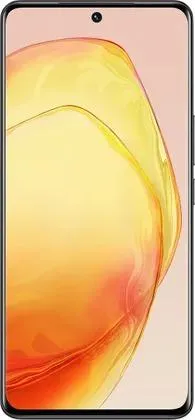
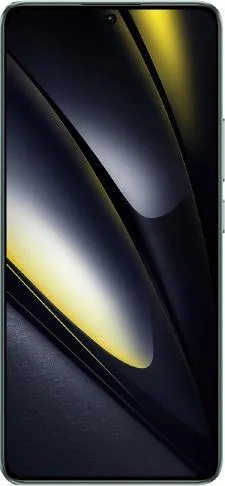
| Dimensions | 164.2 x 74.4 x 7.5 mm | 160.5 x 74.5 x 8 mm | Poco F6 is slightly shorter, narrower, but thicker. Negligible difference in hand feel. |
| Weight | 186g | 179g | Poco F6 is slightly lighter, but the difference is minimal in practical use. |
| Build Materials | Not specified | Not specified | Cannot compare build quality and durability without material information. |
| Display | |||
| Size | 6.78" | 6.67" | V29 has a slightly larger display, providing marginally more screen real estate. |
| Type | AMOLED, 1B colors, 120Hz, HDR10+ | AMOLED, 68B colors, 120Hz, HDR10+, Dolby Vision | Both offer smooth scrolling and vibrant colors. Poco F6's 68B colors and Dolby Vision support offer a potentially noticeable improvement in color accuracy and dynamic range, especially for HDR content. |
| Resolution | 1260 x 2800 | 1220 x 2712 | Both offer sharp visuals. V29 has a slightly higher pixel density (453 ppi vs 446 ppi), resulting in marginally sharper text and images, though likely imperceptible in real-world use. |
| Peak Brightness | Not specified | 2400 nits | Poco F6's significantly higher peak brightness ensures excellent outdoor visibility, even in direct sunlight. Missing information for V29 hinders comparison. |
| Performance | |||
| Chipset | Snapdragon 778G 5G (6nm) | Snapdragon 8s Gen 3 (4nm) | Poco F6's 8s Gen 3 offers significantly better performance and efficiency due to its more powerful CPU and GPU and advanced manufacturing process. Expect smoother gaming, faster multitasking, and quicker app loading on the Poco F6. |
| CPU | Octa-core (1x2.4 GHz A78 & 3x2.2 GHz A78 & 4x1.9 GHz A55) | Octa-core (1x3.0 GHz X4 & 4x2.8 GHz A720 & 3x2.0 GHz A520) | Poco F6's CPU architecture is more powerful, particularly in single-core performance, crucial for demanding tasks and responsiveness. |
| GPU | Adreno 642L | Adreno 735 | Poco F6's GPU is considerably more powerful, providing a significantly better gaming experience and smoother performance in graphically intensive applications. |
| RAM | 8GB | 12GB | Poco F6 offers more RAM, enabling better multitasking and preventing apps from closing in the background. |
| Storage | 256GB | 512GB | Poco F6 offers double the storage, beneficial for users who store large files, such as photos, videos, and games. |
| Battery | |||
| Capacity | 4600 mAh | 5000 mAh | Poco F6 has a larger battery, potentially offering longer battery life. However, real-world usage will depend on other factors like display brightness and usage patterns. |
| Camera | |||
| Video | 4K@30fps, 1080p@30fps | 4K@30/60fps (EIS), 1080p@30/60/120/240fps (EIS) | Poco F6 offers significantly more versatile video recording capabilities with higher resolutions, frame rates, and Electronic Image Stabilization (EIS) for smoother footage. Missing detailed camera specs for both phones limits in-depth comparison. |
2. Key Differences Analysis
vivo V29 Advantages:
- Slightly larger display
Xiaomi Poco F6 Advantages:
- Significantly more powerful processor and GPU
- More RAM and storage
- Larger battery capacity
- Brighter display with Dolby Vision
- More versatile video recording capabilities
- More recent Android version (likely longer software support)
3. User Profiles & Recommendations
- vivo V29: Users prioritizing a slightly larger display and a potentially more affordable option. Suitable for everyday tasks, social media, and casual gaming.
- Xiaomi Poco F6: Users prioritizing performance, gaming, multitasking, and a brighter, more vibrant display. Ideal for power users, mobile gamers, and content creators.
4. Decision Framework
Key Questions:
- What is your budget? (Both are mid-range, but actual pricing may vary)
- What are your primary use cases? (Gaming, content creation, everyday use?)
- How important is long-term software support?
Scenario-Based Recommendations:
- Tight budget, casual user: vivo V29 might be a more affordable option.
- Power user, gamer, content creator: Poco F6 offers significantly better performance and features.
My Choice: Xiaomi Poco F6
Reasoning: The Poco F6 offers significantly superior performance, a brighter and more color-accurate display, more RAM and storage, a larger battery, and more versatile video recording capabilities. While the vivo V29 might offer a slightly larger display, the performance and feature advantages of the Poco F6 make it a much more compelling device for a wider range of users, especially considering they are both in the "medium price" range. The longer software support expected from a newer release also makes the Poco F6 a more future-proof choice. While lacking specific camera details limits a full assessment, the available video specs strongly favor the Poco F6.
