1. Specifications Comparison
| Feature | vivo V29 | Xiaomi Poco C65 | Practical Impact |
|---|---|---|---|
| Design | |||
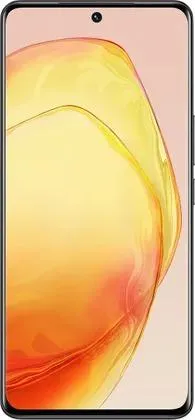
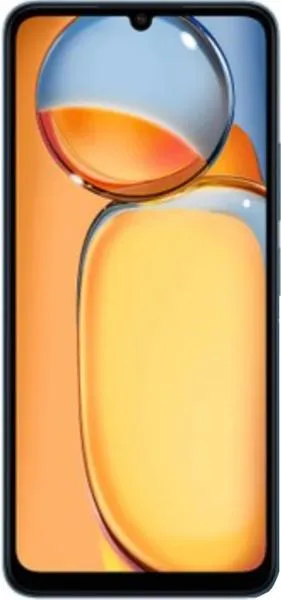
| Dimensions (mm) | 164.2 x 74.4 x 7.5 | 168 x 78 x 8.1 | The Vivo V29 is noticeably smaller and thinner, making it more pocketable and easier to handle. |
| Weight (g) | 186 | 192 | While the weight difference is minimal, the V29's lighter build contributes to a more comfortable feel. |
| Fingerprint Sensor | Under display | Side-mounted | Preference-based, but under-display sensors are generally considered more modern and aesthetically pleasing. |
| Display | |||
| Display Type | AMOLED, 1B colors, 120Hz, HDR10+ | IPS LCD, 90Hz | The V29's AMOLED display offers significantly better contrast, color accuracy, and deeper blacks. The 120Hz refresh rate provides smoother animations compared to the Poco C65's 90Hz. HDR10+ support on the V29 translates to a superior viewing experience for compatible content. |
| Resolution | 1260 x 2800 | 720 x 1600 | The V29 boasts a much sharper display with higher pixel density (453 ppi vs 260 ppi), resulting in crisper text and images. |
| Size (inches) | 6.78 | 6.74 | Negligible difference in screen real estate. |
| Performance | |||
| Chipset | Snapdragon 778G 5G (6 nm) | Mediatek Helio G85 (12 nm) | The Snapdragon 778G is a more powerful and efficient chip, delivering better performance in demanding tasks and gaming. |
| CPU | Octa-core (1x2.4 GHz Cortex-A78 & 3x2.2 GHz Cortex-A78 & 4x1.9 GHz Cortex-A55) | Octa-core (2x2.0 GHz Cortex-A75 & 6x1.8 GHz Cortex-A55) | The V29's CPU architecture provides a performance advantage, particularly in single-core performance. |
| GPU | Adreno 642L | Mali-G52 MC2 | The Adreno 642L offers superior graphics performance compared to the Mali-G52 MC2, resulting in smoother gaming and faster rendering. |
| RAM | 8GB | 8GB | Equal RAM capacity allows for smooth multitasking on both devices. |
| Storage | 256GB | 256GB | Both phones offer ample storage space. |
| Camera | |||
| Video Capabilities | 4K@30fps, 1080p@30fps | 1080p@30fps | The V29 can record videos in higher 4K resolution, offering more detail and clarity. Missing detailed camera specifications limit a comprehensive comparison. |
| Battery | |||
| Capacity (mAh) | 4600 | 5000 | While the Poco C65 has a larger battery capacity, the more efficient chip in the V29 might result in comparable battery life. Real-world usage will vary. |
2. Key Differences Analysis
vivo V29 Advantages:
- Superior Display: AMOLED with higher resolution, refresh rate, and HDR10+ support. This significantly enhances media consumption and overall visual experience.
- Significantly Better Performance: The Snapdragon 778G outperforms the Helio G85 in processing power and graphics rendering, enabling smoother multitasking, gaming, and app usage.
- More Premium Design: Slimmer, lighter, and featuring an under-display fingerprint sensor.
- 4K Video Recording: Offers higher resolution video recording compared to the Poco C65's 1080p.
Xiaomi Poco C65 Advantages:
- Larger Battery Capacity: Potentially longer battery life, although real-world usage depends on various factors.
- Lower Price: Positioned in the "low price" range, offering a more budget-friendly option.
3. User Profiles & Recommendations
vivo V29: Users who prioritize display quality, performance, and a premium design. Suitable for gaming, media consumption, and demanding tasks.
Xiaomi Poco C65: Budget-conscious users who prioritize battery life and basic functionality. Suitable for everyday tasks like calling, texting, browsing, and light media consumption.
4. Decision Framework
Key Questions for Buyers:
- What is your budget? The Poco C65 offers better value if price is the primary concern.
- What are your primary use cases? The V29 excels in demanding tasks and media consumption, while the Poco C65 is sufficient for basic usage.
- How important is display quality and performance? The V29 significantly outperforms the Poco C65 in these areas.
My Choice: vivo V29
While the Poco C65 offers a larger battery and lower price, the vivo V29's superior display, performance, and overall design make it a more compelling device for me. The Snapdragon 778G provides a noticeable performance advantage, and the AMOLED display's vibrant colors and high refresh rate create a significantly better user experience. I prioritize a smooth and responsive user experience, making the V29 the clear winner despite the higher price. The difference in build quality and design further solidifies my preference for the V29. I am willing to compromise slightly on battery capacity for the significant gains in other areas.
